Born Deborah Jane Trimmer in Glasgow, Scotland in 1921, she was the daughter of a soldier who had been gassed in World War I. A shy, insecure child, she found an outlet for expressing her feelings in acting. Her aunt, a radio star, got her some stage work when she was a teenager, and she came to the attention of British film producer
Gabriel Pascal, who cast her in his film version of
George Bernard Shaw's "Major Barbara" (
Major Barbara (1941)) and
Love on the Dole (1941). She quickly became a star of the British cinema, playing such diverse roles as the three women in
The Life and Death of Colonel Blimp (1943) and the nun in
Black Narcissus (1947).
In 1947, she "crossed the pond" to Hollywood and came to MGM, where she found success in films like
The Hucksters (1947),
Edward, My Son (1949) and
Quo Vadis (1951). After a while, however, she tired of playing prim-and-proper English ladies, so she made the most of the role of the adulteress who romps on the beach with
Burt Lancaster in
From Here to Eternity (1953). The film was a success, and Kerr received her second Oscar nomination. She also achieved success on the Broadway stage in "Tea and Sympathy", reprising her role in the 1956 film version of the same name. (
Tea and Sympathy (1956)). That same year she played one of her best-remembered screen roles, "Mrs. Anna" in
The King and I (1956). More success followed in
Heaven Knows, Mr. Allison (1957),
An Affair to Remember (1957),
Separate Tables (1958),
The Sundowners (1960),
The Innocents (1961) and
The Night of the Iguana (1964).
In 1968, she quit movies, appalled by the explicit sex and violence of the day. After some stage and TV work in the 1970s and
1980s and swan song performances in
The Assam Garden (1985) and
Hold the Dream (1986), she retired from acting altogether. Kerr holds the record for the most Academy Award nominations for Best Actress without a win (six), but that was made up for in 1994, when she was given an Honorary Oscar for her screen achievements.

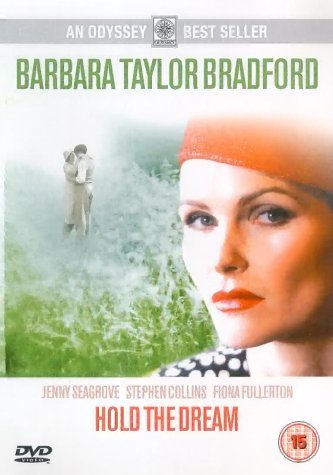 Hold the Dream(1986)as Emma Harte
 Ann and Debbie(1986)as Ann
 The Assam Garden(1985)as Helen
 Reunion at Fairborough(1985)as Sally Wells Grant
 A Woman of Substance(1984)as Emma Harte
 Pam & Tommy(2022)
 Hollywood Singing and Dancing: A Musical Treasure(2008)
 An Affair to Remember(1957)
 The King and I(1956)
 Backstory(2000)as Self - Actress
 The 66th Annual Academy Awards(1994)as Self - Honorary Award Recipient
 Preminger: Anatomy of a Filmmaker(1991)as Self
 Compression(1995)as Self
 Made in England: The Films of Powell and Pressburger(2024)as Self
 Being Mary Tyler Moore(2023)as Karen Holmes
 John Huston, une âme libre(2021)as Self
 My Name Is Lopez(2021)as Self


