Richard Chamberlain became the leading heartthrob of early 1960s television. As the impeccably handsome Dr. James Kildare, the slim, butter-haired hunk with the near-perfect Ivy-League charm and smooth, intelligent demeanor, had the distaff fans fawning unwavering over him through the series' run. While this would appear to be a dream situation for any new star, to Chamberlain it brought about a major, unsettling identity crisis.
Born George Richard Chamberlain in Beverly Hills on March 31, 1934, he was the second son of Elsa Winnifred (von Benzon) (1902-1993) and Charles Axiom Chamberlain (1902-1984), a salesman. He has English and German ancestry. Richard experienced a profoundly unhappy childhood and did not enjoy school at all, making up for it somewhat by excelling in track and becoming a four-year letter man in high school and college. He also developed a strong interest and enjoyment in acting while attending Pomona College. Losing an initial chance to sign up with Paramount Pictures, the studio later renewed interest. Complications arose when he was drafted into the Unites States Army on December 7, 1956 for 16 months, serving in Korea.
Chamberlain headed for Hollywood soon after his discharge and, in just a couple of years, worked up a decent resumé with a number of visible guest spots on such popular series as
Gunsmoke (1955) and
Mr. Lucky (1959). But it was the stardom of the medical series
Dr. Kildare (1961) that garnered overnight female worship and he became a huge sweater-vested pin-up favorite. It also sparked a brief, modest singing career for the actor.
The attention Richard received was phenomenal. True to his "Prince Charming" type, he advanced into typically bland, soap-styled leads on film befitting said image, but crossover stardom proved to be elusive. The vehicles he appeared in,
Twilight of Honor (1963) with
Joey Heatherton and
Joy in the Morning (1965) opposite
Yvette Mimieux, did not bring him the screen fame foreseen. The public obviously saw the actor as nothing more than a television commodity.
More interested in a reputation as a serious actor, Chamberlain took a huge risk and turned his back on Hollywood, devoting himself to the stage. In 1966 alone, he appeared in such legit productions as "The Philadelphia Story" and "Private Lives", and also showed off his vocal talents playing Tony in "West Side Story". In December of that year, a musical version of "Breakfast at Tiffany's" starring Richard and
Mary Tyler Moore in the sparkling
George Peppard/
Audrey Hepburn roles was headed for Broadway. However, it flopped badly in previews and closed after only four performances. Even today, it is still deemed one of Broadway's biggest musical disasters.
An important dramatic role in director
Richard Lester's
Petulia (1968) led Richard to England, where he stayed and dared to test his acting prowess on the classical stage. With it, his personal satisfaction over image and career improved. Bravura performances as "Hamlet" (1969) and "Richard II" (1971), as well as his triumph in "The Lady's Not for Burning" (1972), won over the not-so-easy-to-impress British audiences. And on the classier film front, he ably portrayed Octavius Caesar opposite
Charlton Heston's Mark Antony and
Jason Robards' Brutus in
Julius Caesar (1970), composer
Pyotr Ilyich Tchaikovsky in
Ken Russell's grandiose
The Music Lovers (1971) opposite
Glenda Jackson, and Lord Byron alongside
Sarah Miles in
Lady Caroline Lamb (1972). While none of these three films were critical favorites, they were instrumental in helping to reshape Chamberlain's career as a serious, sturdy and reliable actor.
With his new image in place, Richard felt ready to face American audiences again. While he made a triumphant Broadway debut as Reverend Shannon in "The Night of the Iguana" (1975), he also enjoyed modest box-office popularity with the action-driven adventure films
The Three Musketeers (1973) as Aramis and a villainous role in
The Towering Inferno (1974), and earned cult status for the Australian film
The Last Wave (1977). On the television front, he became a television idol all over again (on his own terms this time) as the "King of 80s Mini-Movies". The epic storytelling of
The Count of Monte-Cristo (1975),
The Thorn Birds (1983) and
Shogun (1980), all of which earned him Emmy nominations, placed Richard solidly on the quality star list. He won Golden Globe Awards for his starring roles in the last two miniseries mentioned.
In later years, the actor devoted a great deal of his time to musical stage tours as Henry Higgins in "My Fair Lady", Captain Von Trapp in "The Sound of Music" and Ebenezer Scrooge in "Scrooge: The Musical". Enormously private and having moved to Hawaii to avoid the Hollywood glare, at age 69 finally "came out" with a tell-all biography entitled "Shattered Love", in which he quite candidly discussed the anguish of hiding his homosexuality to protect his enduring matinée idol image.
Married now to his longtime partner of over 40 years, writer/producer
Martin Rabbett, he has since accepted himself and shown to be quite a good sport in the process, appearing as gay characters in the film
I Now Pronounce You Chuck & Larry (2007), and in television episodes of
Will & Grace (1998),
Desperate Housewives (2004) and
Brothers & Sisters (2006). More recently, he has enjoyed featured roles in the films
Strength and Honour (2007),
The Perfect Family (2011),
We Are the Hartmans (2011),
Nightmare Cinema (2018) and
Finding Julia (2019).

 Finding Julia(2019)as Igor
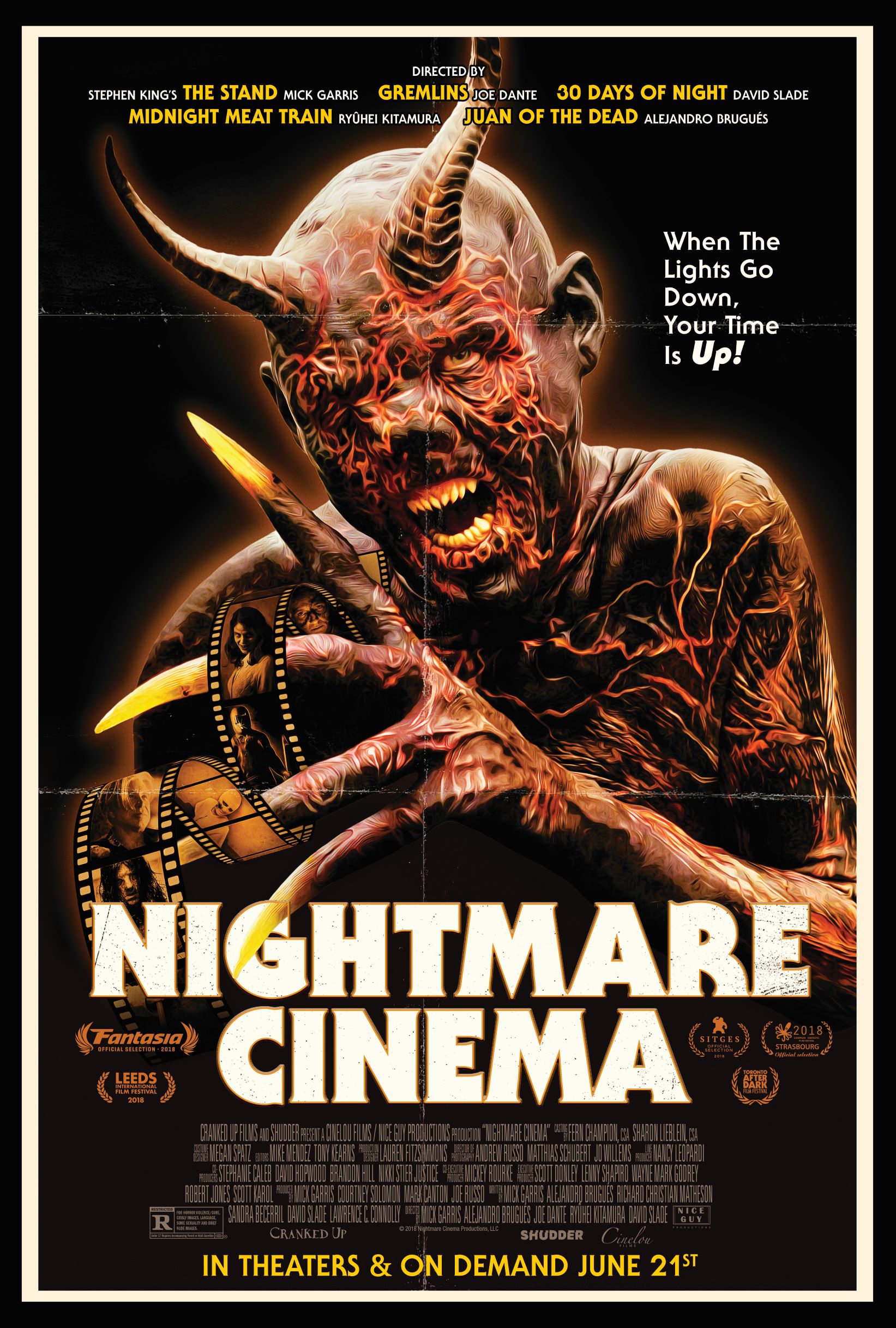 Nightmare Cinema(2018)as Dr. Leneer (segment: Mirari)
 Twin Peaks(2017)as Bill Kennedy
 The Black Ghiandola(2017)as Creepy Oncologist
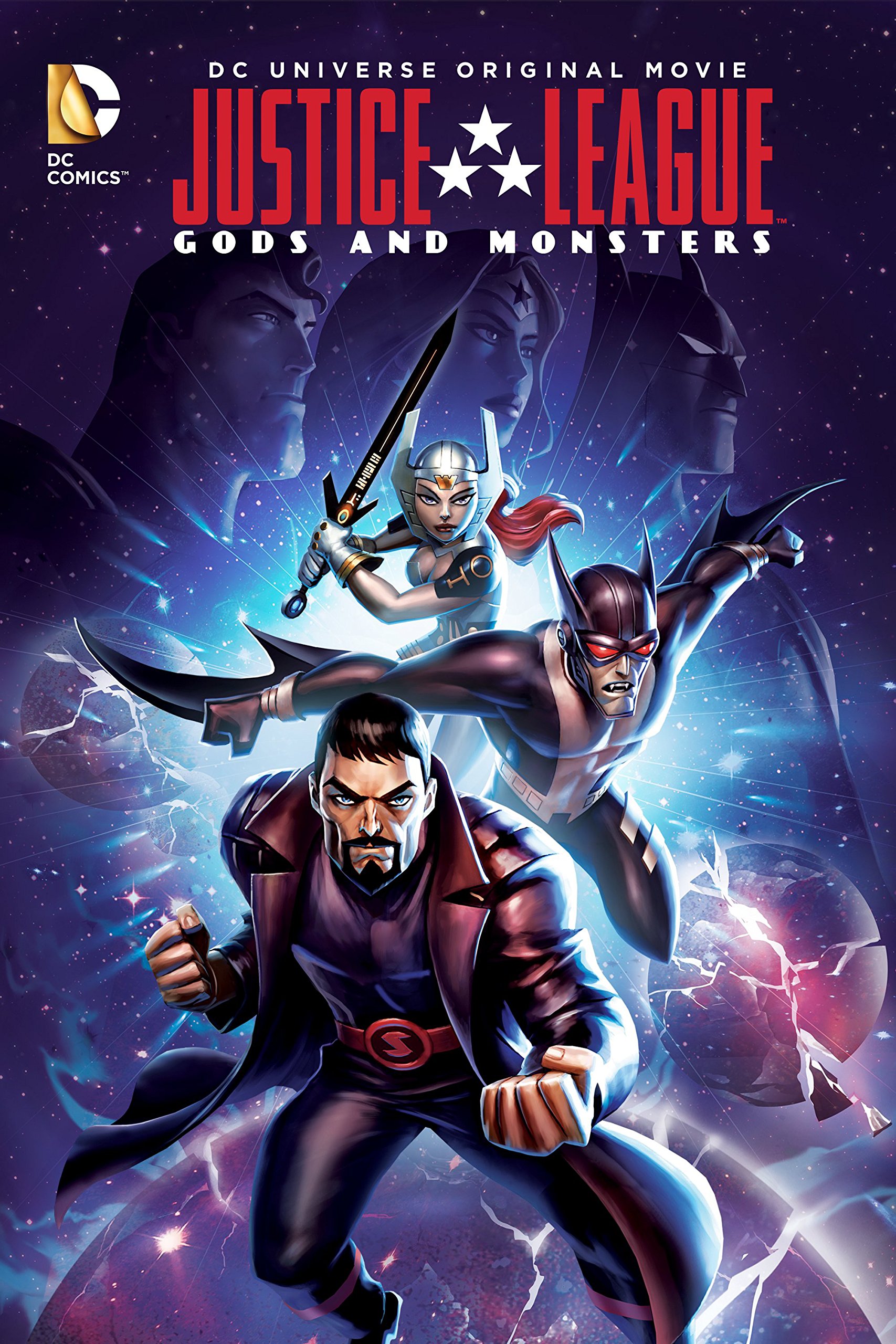 Justice League: Gods and Monsters(2015)as Highfather
 Island Son(1989)
 Electric Boogaloo: The Wild, Untold Story of Cannon Films(2014)
 Holbrook/Twain: An American Odyssey(2014)
 Buffalo Soldiers(2001)
 Krueger: Tales from Elm Street(2017)
 Krueger: A Tale from Elm Street(2011)
 King Solomon's Mines(1985)
 The 35th Annual Tony Awards(1981)
 Elegies for Angels, Punks and Raging Queens(2020)as Self
 The Last Wave: Richard Chamberlain in Conversation with Paul Harris(2020)as Self - Actor, Interviewee
 Finite Water(2019)as Self
 Pioneers of Television(2008)as Self
 TCM Remembers 2025(2025)as Self - Actor, singer
 Les Chroniques du Mea(2012)as Self
 CBS News Sunday Morning with Jane Pauley(1979)as Ralph de Bricassart
 SBS World News(2002)as Self
 World News Tonight with David Muir(1953)as Self


