Brian De Palma is one of the well-known directors who spear-headed the new movement in Hollywood during the 1970s. He is known for his many films that go from violent pictures, to Hitchcock-like thrillers. Born on September 11, 1940, De Palma was born in Newark, New Jersey in an Italian-American family. Originally entering university as a physics student, De Palma became attracted to films after seeing such classics as
Citizen Kane (1941). Enrolling in Sarah Lawrence College, he found lasting influences from such varied teachers as
Alfred Hitchcock and
Andy Warhol.
At first, his films comprised of such black-and-white films as
To Bridge This Gap (1969). He then discovered a young actor whose fame would influence Hollywood forever. In 1968, De Palma made the comedic film Greetings (1968) starring
Robert De Niro in his first ever credited film role. The two followed up immediately with the films The Wedding Party (1969) and
Hi, Mom! (1970).
After making such small-budget thrillers such as
Sisters (1972) and
Obsession (1976), De Palma was offered the chance to direct a film based on
Stephen King's classic novel "Carrie". The story deals with a tormented teenage girl who finds she has the power of telekinesis. The film starred
Sissy Spacek,
Piper Laurie and
John Travolta, and was for De Palma, a chance to try out the split screen technique for which he would later become famous.
Carrie (1976) was a massive success, and earned the two lead females (Laurie and Spacek) Oscar nominations. The film was praised by most critics, and De Palma's reputation was now permanently secured. He followed up this success with the horror film
The Fury (1978), the comedic film
Home Movies (1979) (both these films featured
Kirk Douglas), the crime thriller
Dressed to Kill (1980) starring
Michael Caine and
Angie Dickinson, and another crime thriller entitled
Blow Out (1981) starring
John Travolta.
His next major success was the controversial, ultra-violent film
Scarface (1983). Written by
Oliver Stone and starring
Al Pacino, the film concerned Cuban immigrant Tony Montana's rise to power in the United States through the drug trade. While being a critical failure, the film was a major success commercially.
Moving on from
Scarface (1983), De Palma made two more movies before landing another one of his now-classics:
The Untouchables (1987), starring old friend
Robert De Niro in the role of Chicago gangster Al Capone. Also starring in the film were
Kevin Costner as the man who commits himself to bring Capone down, and
Sean Connery, an old policeman who helps Costner's character to form a group known as the Untouchables. The film was one of De Palma's most successful films, earning Connery an Oscar, and gave
Ennio Morricone a nomination for Best Score.
After
The Untouchables (1987), De Palma made the Vietnam film
Casualties of War (1989) starring
Michael J. Fox and
Sean Penn. The film focuses on a new soldier who is helpless to stop his dominating sergeant from kidnapping a Vietnamese girl with the help of the coerced members of the platoon. The film did reasonably well at the box office, but it was his next film that truly displayed the way he could make a hit and a disaster within a short time.
The Bonfire of the Vanities (1990) starred a number of well-known actors such as
Bruce Willis and
Morgan Freeman, however it was still a commercial flop and earned him two Razzie nominations.
But the roller coaster success that De Palma had gotten so far did not let him down. He made the horror film
Raising Cain (1992), and the criminal drama
Carlito's Way (1993) starring
Al Pacino and
Sean Penn. The latter film is about a former criminal just released from prison that is trying to avoid his past and move on. It was in the year 1996 that brought one of his most well-known movies. This was the suspense-filled
Mission: Impossible (1996) starring
Tom Cruise and
Jon Voight.
Following up this film was the interesting but unsuccessful film
Snake Eyes (1998) starring
Nicolas Cage as a detective who finds himself in the middle of a murder scene at a boxing ring. De Palma continued on with the visually astounding but equally unsuccessful film
Mission to Mars (2000) which earned him another Razzie nomination. He met failure again with the crime thriller
Femme Fatale (2002), the murder conspiracy
The Black Dahlia (2006), and the controversial film
Redacted (2007) which deals with individual stories from the war in Iraq.
Brian De Palma may be down for the moment, but if his box office history has taught us anything, it is that he always returns with a
major success that is remembered for years and years afterwards.

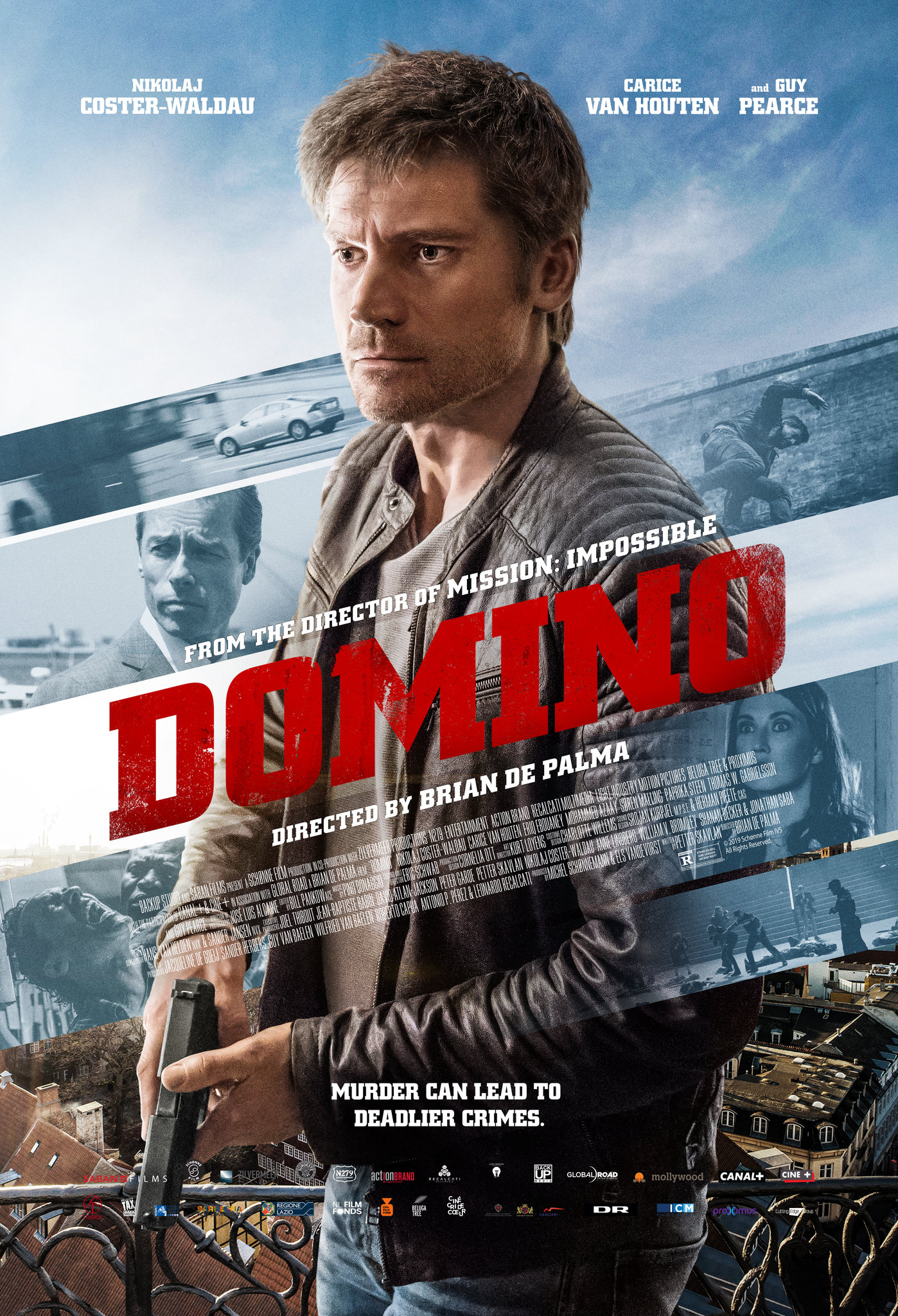 Domino(2019)
 Passion(2012)
 Redacted(2007)
 The Black Dahlia(2006)
 Femme Fatale(2002)
 Sisters(2006)
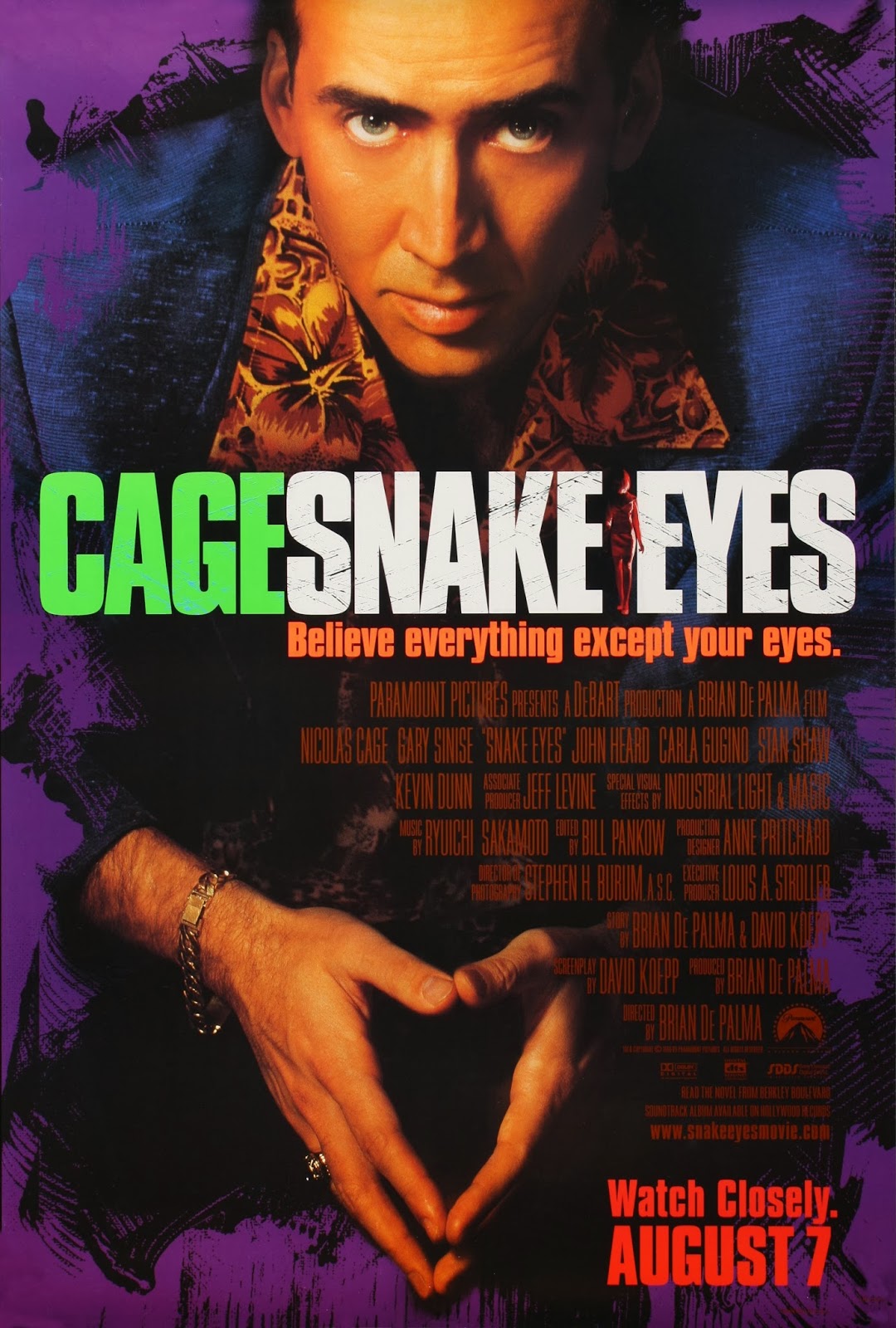 Snake Eyes(1998)
 Rotwang muß weg!(1994)as Famous American movie director
 Scarface(1983)as Man Reflected in a Mirror in Babylon Club
 Greetings(1968)as Man in front of draft office smoking
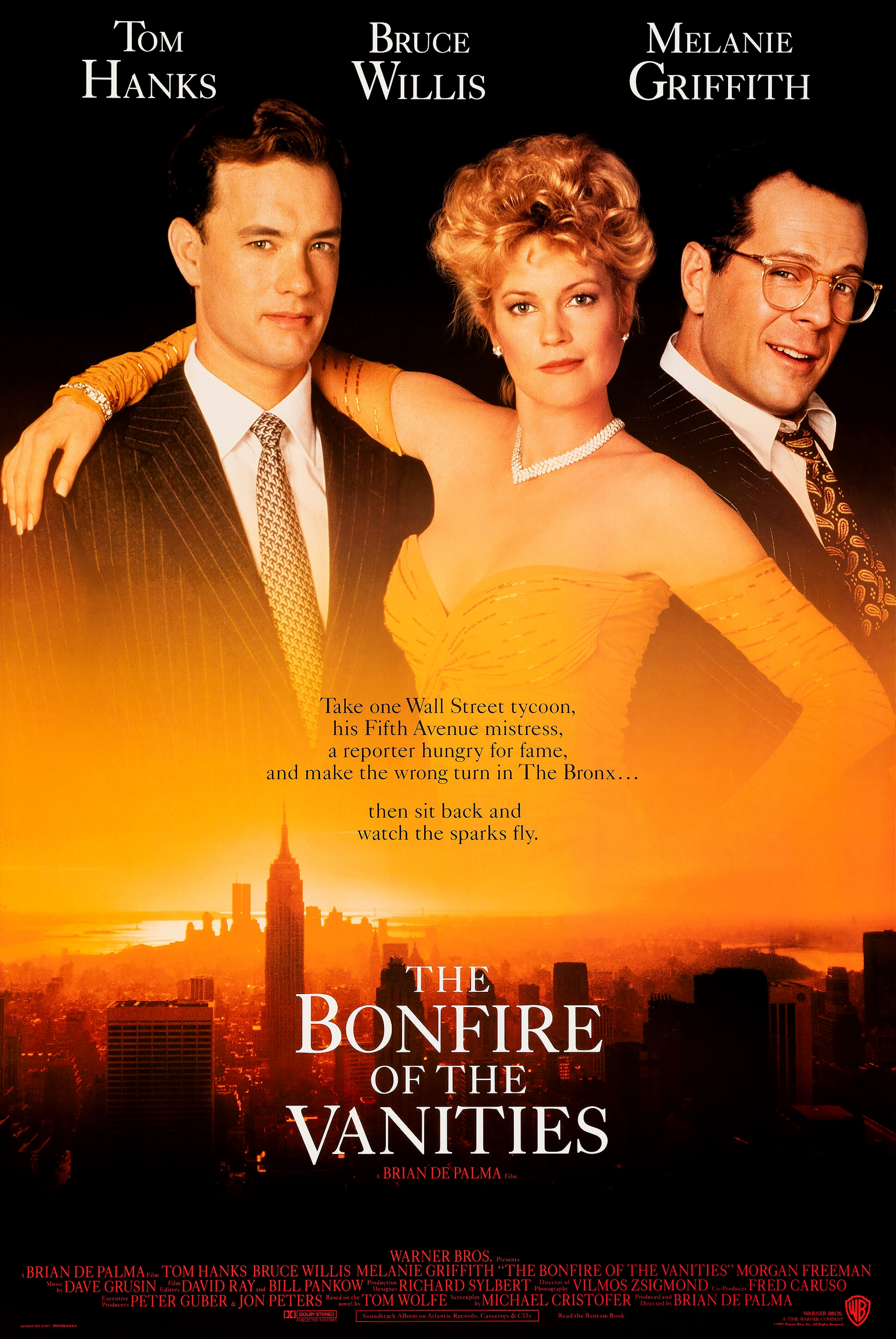 The Bonfire of the Vanities(1990)
 Body Double(1984)
 Home Movies(1979)
 Carrie(1976)
 Dionysus in '69(1970)
 The Responsive Eye(1966)
 The Wedding Party(1969)
 Murder à la Mod(1968)
 The Godfather Part II(1974)
 The First Time(1981)
 Asteroid City(2023)
 The French Dispatch(2021)
 The Buskers of Galway(2019)
 Asesinato desde la Roja Oscuridad(2019)
 Welcome to Hell(2018)
 Mr. Scorsese(2025)as Self - Film Director
 Desperate Souls, Dark City and the Legend of Midnight Cowboy(2022)as Self - Filmmaker
 Talk Easy with Sam Fragoso(2016)as Self
 Light the Fuse(2018)as Self - Guest
 Leçon de cinéma(2017)as Self
 Compression(1995)as Self
 Martin Scorsese - L'Italo-Américain(2024)as Self
 The Moviemakers: Scorsese(2023)as Self - Filmmaker
 Hollywood Insider(2018)as Self
 The Kill Count(2017)as Self
 You Must Remember This(2014)as Self - Film Director


