Terrence Malick was born in Ottawa, Illinois. His family subsequently
lived in Oklahoma and he went to school in Austin, Texas. He did his
undergraduate work at Harvard, graduating summa cum laude with a degree
in philosophy in 1965.
A member of the Phi Beta Kappa honor society, he attended Magdalen
College, Oxford on a Rhodes scholarship, but did not finish his thesis
on
Martin Heidegger, allegedly because of a disagreement with his advisor. Returning to the States, he taught philosophy at M.I.T. and published a translation of Heidegger's "Vom Wesen des Grundes" as "The Essence of Reasons". Malick did not get his PhD in philosophy: Instead, he attended the American Film Institute Conservatory in its inaugural year (1969), taking a Masters of Fine Arts degree in film-making. His masters thesis was the seventeen-minute comedy short
Lanton Mills (1969), which starred
Warren Oates and
Harry Dean Stanton. Malick himself acted in the short.
At A.F.I., Malick made a lasting association with
Jack Fisk, who would establish himself as an Oscar-nominated art director and production designer and serve as art director on all of Malick's films. He also picked up
Mike Medavoy as an agent, who got Malick work doctoring scripts and marketed his original ones. He wrote the screenplay for the 1972
Alan Arkin trucker movie
Deadhead Miles (1972), which was many miles from Harvard let along Oxford, and for the 1972
Paul Newman-
Lee Marvin contemporary oater
Pocket Money (1972), another
departure from fields of academia. "Deadhead Miles" was dumped by Paramount as unreleasable and "Pocket Money", despite being headlined by two Top Ten Box Office stars, flopped. It was an inauspicious start to a legendary career, but it influenced Malick to begin directing his own scripts.
His first two films were the now critically acclaimed
Badlands (1973) and
Days of Heaven (1978). He then took a self-imposed retirement of nearly two decades from film-making before lensing his 1998 adaptation of
James Jones's
The Thin Red Line (1998), which was nominated for 7 Academy Awards, including nods for Malick for directing and adapted screenplay.
Adopting a Kubrickian pace of movie-making, he directed
The New World (2005) and the autobiographical
The Tree of Life (2011) with gaps of only seven and six years, respectively, between release. However, he reportedly was working on ideas for "The Tree of Life" since the late 70s, including exposing footage that found its way into his finished film.
In an unprecedented burst of productivity, he shot his next four films,
To the Wonder (2012),
Knight of Cups (2015), an as-yet unnamed drama and the cosmic documentary
Voyage of Time: Life's Journey (2016) back-to-back during and immediately after completing the long editing process of "Tree of Life". Like
Stanley Kubrick, Malick usually takes well over a year to edit his films. All three are highly anticipated by cineastes the world over.

 Towards a Dream in the USA(2022)
 Factory(2021)
 A Hidden Life(2019)
 Filmed on Pixel 3(2018)
 Together(2018)
 Song to Song(2017)
 Voyage of Time(2016)
 Voyage of Time: Life's Journey(2016)
 Knight of Cups(2015)
 Days of Heaven(1978)as Mill Worker
 Badlands(1973)as Caller at Rich Man's House
 Pocket Money(1972)as Worksman
 Lanton Mills(1969)as Tilman
 All Illusions Must Be Broken(2024)
 Evolver(2022)
 The Book of Vision(2020)
 Everybody's Everything(2019)
 Soldier(2018)
 The Seventh Fire(2015)
 The Beautiful Country(2004)
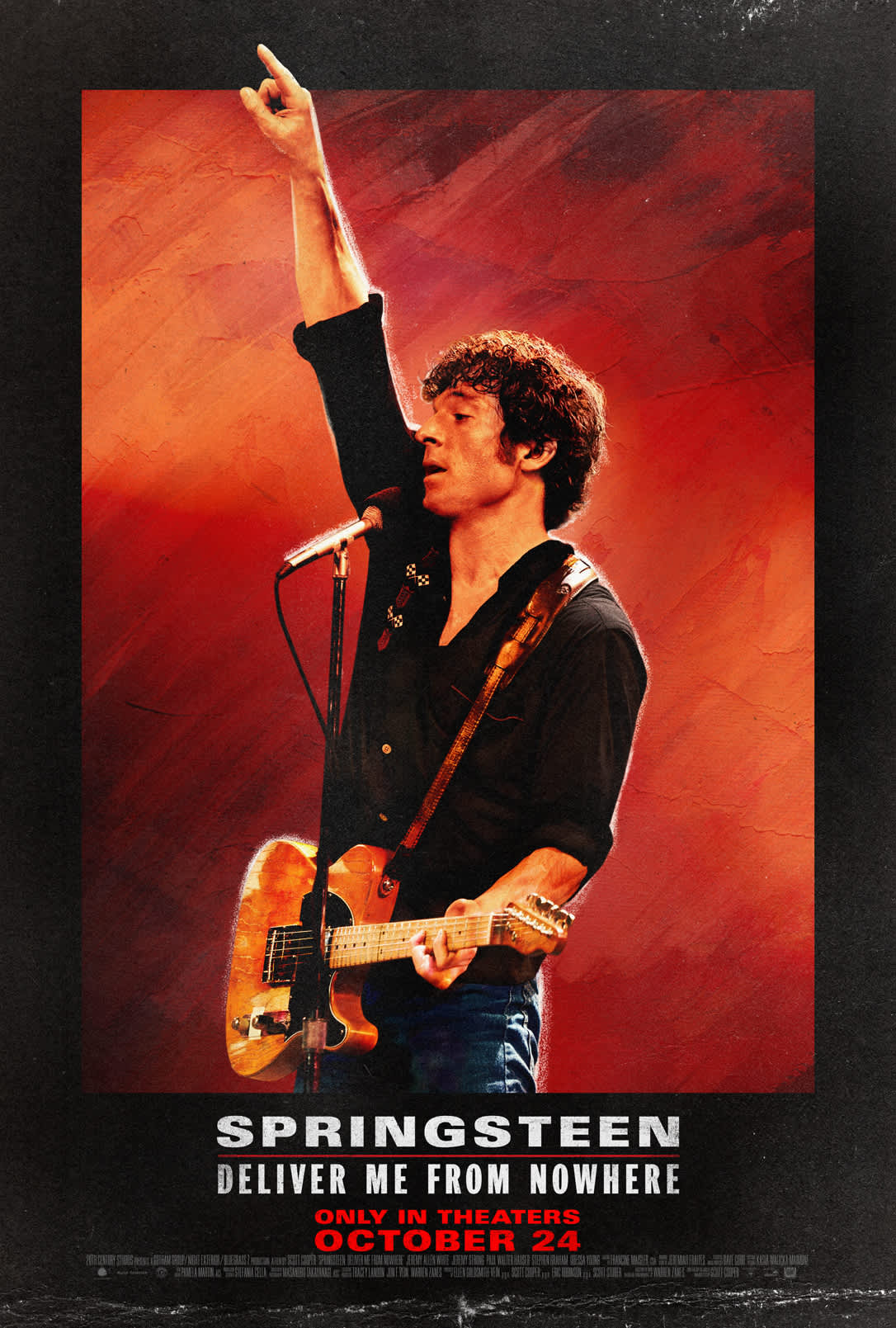 Springsteen: Deliver Me from Nowhere(2025)
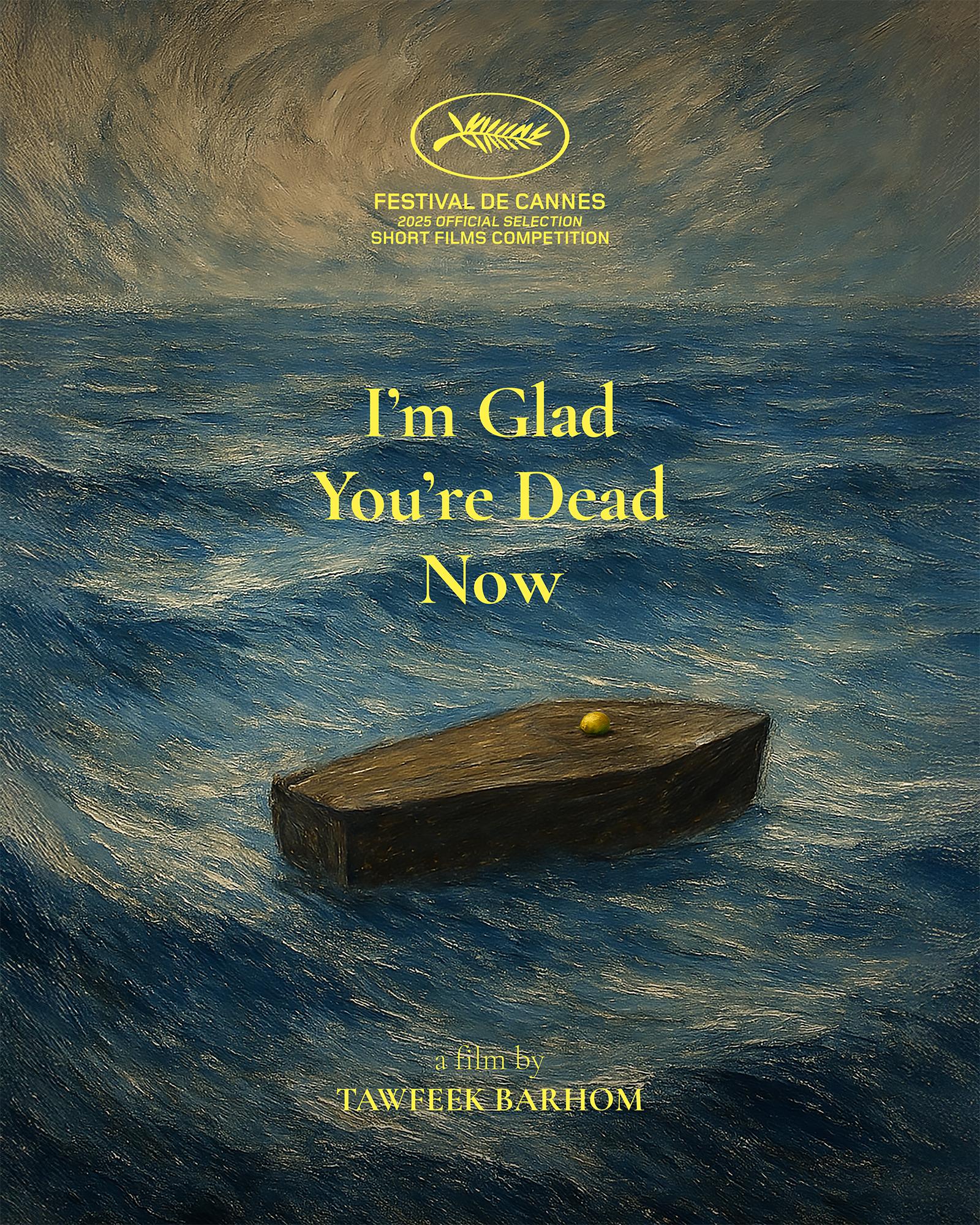 I'm Glad You're Dead Now(2025)
 Ash(2025)
 Orango(2024)
 The Chasers of Tornado Alley: Touching the Sky(2024)
 Ennio(2021)as Self
 Hollywood Insider(2018)as Self
 Terrence Malick - Suche nach dem Unsichtbaren(2026)as Self - Subject
 The 12th Victim(2023)as Self - Director of 'Badlands'
 Patrick Willems Video Essays(2016)as Self
 Behind the Scenes(2017)as Self


