Richard St John Harris was born on October 1, 1930 in Limerick, Ireland, to a farming family, one of nine children born to Mildred (Harty) and Ivan Harris. He attended Crescent College, a Jesuit school, and was an excellent rugby player, with a strong passion for literature. Unfortunately, a bout of tuberculosis as a teenager ended his aspirations to a rugby career, but he became fascinated with the theater and skipped a local dance one night to attend a performance of "Henry IV". He was hooked and went on to learn his craft at the London Academy of Music and Dramatic Art (LAMDA), then spent several years in stage productions. He debuted on screen in
Shake Hands with the Devil (1959) and quickly scored regular work in films, including
The Wreck of the Mary Deare (1959),
The Night Fighters (1960) and a good role as a frustrated Australian bomber pilot in
The Guns of Navarone (1961).
However, his breakthrough performance was as the quintessential "angry young man" in the sensational drama
This Sporting Life (1963), which scored him an Oscar nomination. He then appeared in the WW II commando tale
The Heroes of Telemark (1965) and in the
Sam Peckinpah-directed western
Major Dundee (1965). He next showed up in
Hawaii (1966) and played King Arthur in
Camelot (1967), a lackluster adaptation of the famous Broadway play. Better performances followed, among them a role as a reluctant police informer in
The Molly Maguires (1970) alongside Sir
Sean Connery. Harris took the lead role in the violent western
A Man Called Horse (1970), which became something of a cult film and spawned two sequels. As the 1970s progressed, Harris continued to appear regularly on screen; however, the quality of the scripts varied from above average to woeful.
His credits during this period included directing himself as an aging soccer player in
The Hero (1970); the western
The Deadly Trackers (1973); the big-budget "disaster" film
Juggernaut (1974); the strangely-titled crime film
99 and 44/100% Dead! (1974); with Connery again in
Robin and Marian (1976);
Gulliver's Travels (1977); a part in the
Jaws (1975);
Orca (1977) and a nice turn as an ill-fated mercenary with
Richard Burton and
Roger Moore in the popular action film
The Wild Geese (1978).
The 1980s kicked off with Harris appearing in the silly
Bo Derek vanity production
Tarzan the Ape Man (1981) and the remainder of the decade had him appearing in some very forgettable productions. However, the luck of the Irish was once again to shine on Harris's career and he scored rave reviews (and another Oscar nomination) for
The Field (1990). He then locked horns with
Harrison Ford as an IRA sympathizer in
Patriot Games (1992) and got one of his best roles as gunfighter English Bob in the
Clint Eastwood western
Unforgiven (1992). Harris was firmly back in vogue and rewarded his fans with more wonderful performances in
Wrestling Ernest Hemingway (1993);
Cry, the Beloved Country (1995);
The Great Kandinsky (1995) and
This Is the Sea (1997). Further fortune came his way with a strong performance in the blockbuster
Gladiator (2000) and he became known to an entirely new generation of film fans as Albus Dumbledore in the mega-successful
Harry Potter and the Sorcerer's Stone (2001) and
Harry Potter and the Chamber of Secrets (2002). His final screen role was as "Lucius Sulla" in
Caesar (2002).
Harris died of Hodgkin's disease, also known as Hodgkin's lymphoma, in London on October 25, 2002, aged 72.

 The Hero(1970)
 The Pearl(2004)as Dr. Karl
 Kaena: The Prophecy(2003)as Opaz
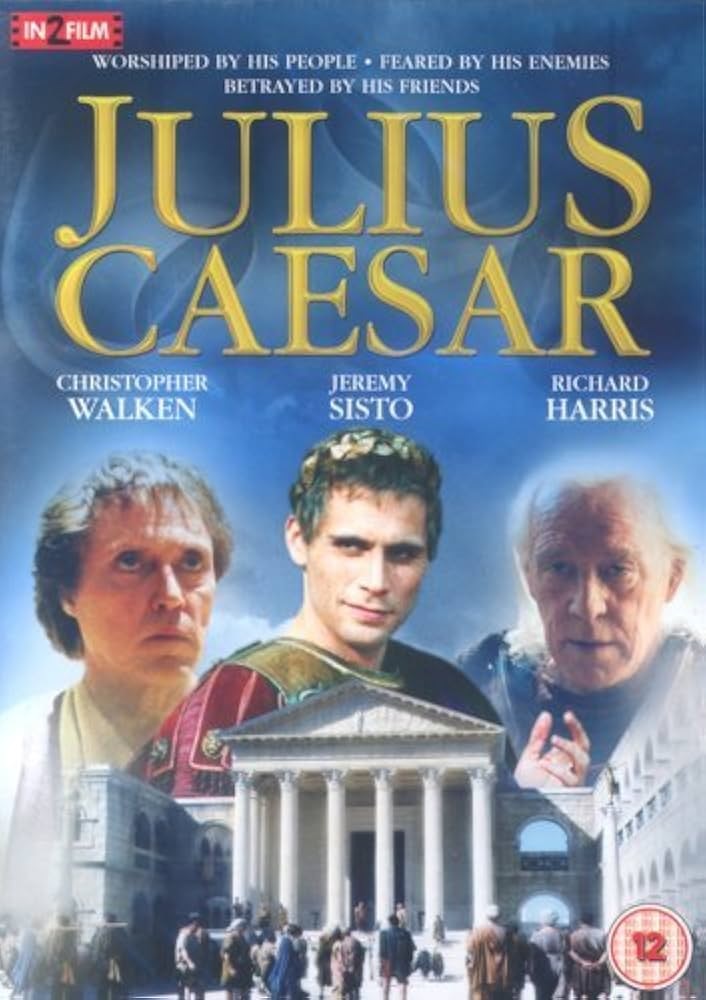 Caesar(2002)as Lucius Cornelius Sulla
 The Apocalypse(2002)as Giovanni
 Harry Potter and the Chamber of Secrets(2002)as Albus Dumbledore
 The Return of a Man Called Horse(1976)
 Echoes of a Summer(1976)
 Creating the World of Harry Potter, Part 1: The Magic Begins(2009)
 Life, the Universe and Douglas Adams(2005)
 Greasy Lake(1988)
 Beetlejuice Beetlejuice(2024)
 The Tonight Show Starring Jimmy Fallon(2014)
 The Wrecking Crew!(2008)
 'Weird Al' Yankovic: The Ultimate Video Collection(2003)
 'Weird Al' Yankovic Live!(1999)
 The Making of 'Julius Caesar'(2004)as Self
 Interviews with Professors & More(2003)as Self
 9th Annual Screen Actors Guild Awards(2003)as Self - In Memoriam
 HBO First Look(1992)as Self
 ABC News Breakfast(2008)as Self - Actor
 7.30(2006)as Self - Actor, Gladiator
 Icons Unearthed(2022)as Self


