Isabelle Huppert was born March 16, 1953, in Paris, France, but spent her childhood in Ville d'Avray. Encouraged by her mother
Annick Huppert (who was a teacher of English), she followed the Conservatory of Versailles and won an acting prize for her work in
Alfred de Musset's "Un caprice". She then studied at the Conservatoire d'Art Dramatique and followed an illustrious theatrical career, which includes
Ivan Turgenev's "A Month in the Country",
Euripides' "Medea" (title role) etc. She made her movie debut in
Le Prussien (1971) and soon became one of the top actresses of her generation, giving fine performances in important films, like
Claude Goretta's
The Lacemaker (1977), as a simple-minded girl who falls in love with - and is betrayed by - a student,
Jean-Luc Godard's
Every Man for Himself (1980), as a prostitute, and
Maurice Pialat's
Loulou (1980), as an upper-class woman who is physically attracted by a young vagabond. She made an inconsequential US debut in
Otto Preminger's
Rosebud (1975) before playing a brothel madam in
Michael Cimino's disastrous
Heaven's Gate (1980), but she fared better in
Curtis Hanson's
The Bedroom Window (1987) (as an adulteress who witnesses an attack). Huppert has an extremely productive collaboration with
Claude Chabrol, who cast her in several movies, including
Violette (1978), in which she played a woman who murders her parents, and
Story of Women (1988), in which she gave an excellent performance as a shameless abortionist, the last woman to be executed in France. More recent good films include
Patricia Mazuy's
Saint-Cyr (2000) and
Michael Haneke's controversial
The Piano Teacher (2001), as a sexually repressed piano teacher.

 Parallel Tales(2026)as Sylvie
 The Blood Countess(2026)as Blutgräfin Erzsébet Báthory
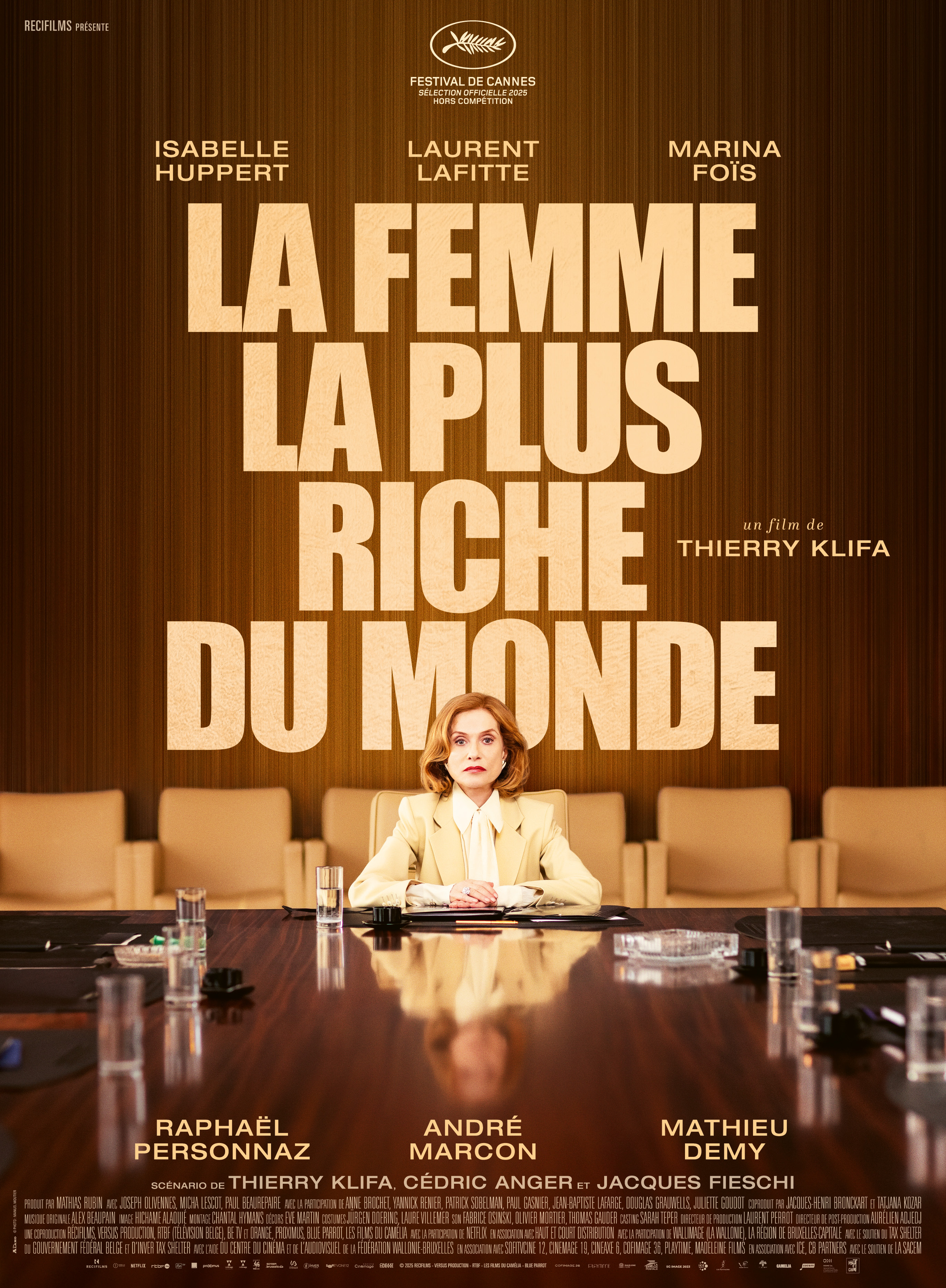 The Richest Woman in the World(2025)as Marianne Farrère
 Luz(2025)as Sabine
 Two People Exchanging Saliva(2024)
 Navodneniye(1993)
 Sincerely Charlotte(1985)
 Dead Man Down(2013)
 Fantastic Mr. Fox(2009)
 Wanda(1970)
 Better Off(2024)
 Esther's Choice(2020)
 Henri Cartier-Bresson: The Impassioned Eye(2003)
 Le bassin de J.W.(1997)
 Souvenir(2016)
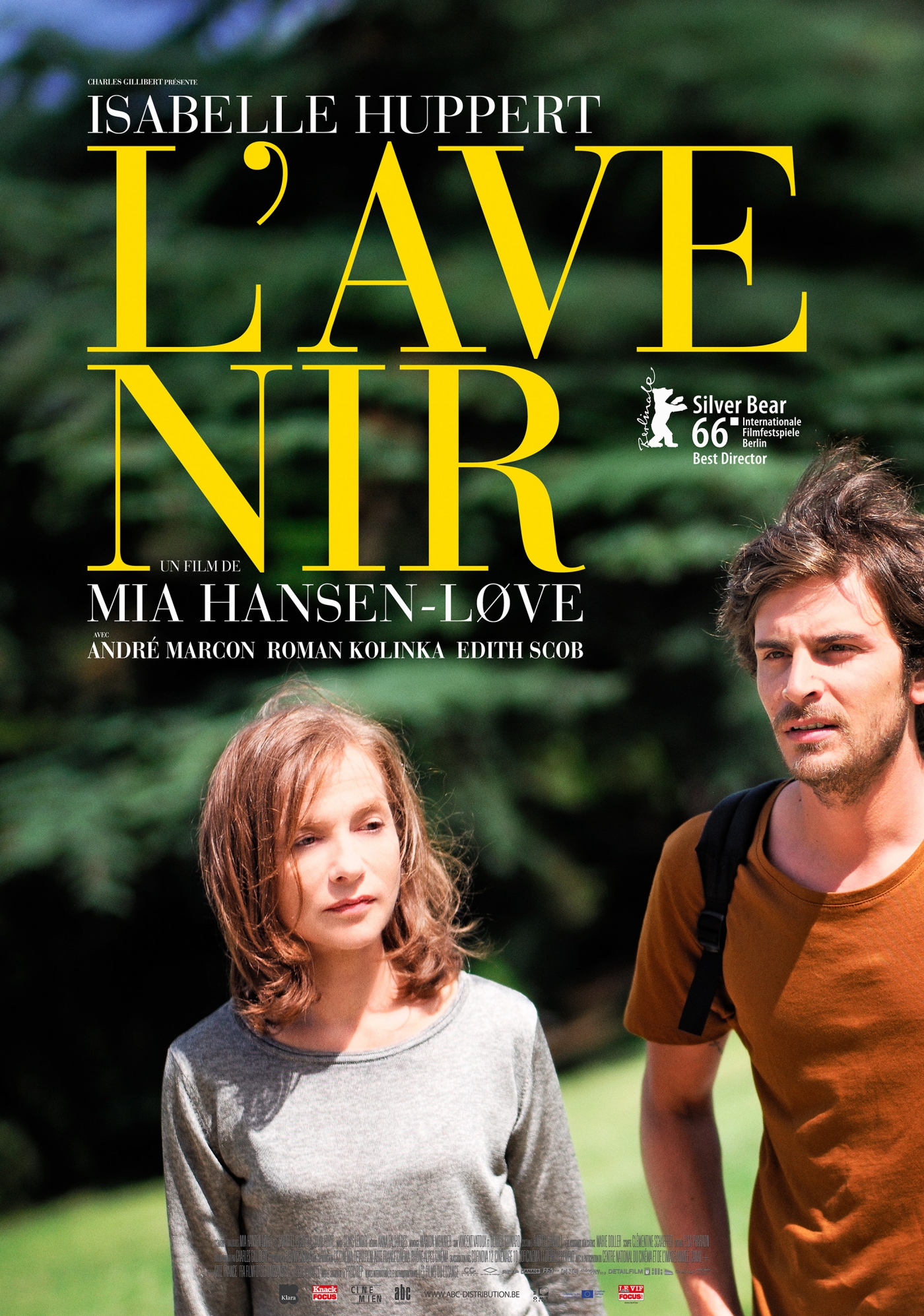 Things to Come(2016)
 Me and My Sister(2004)
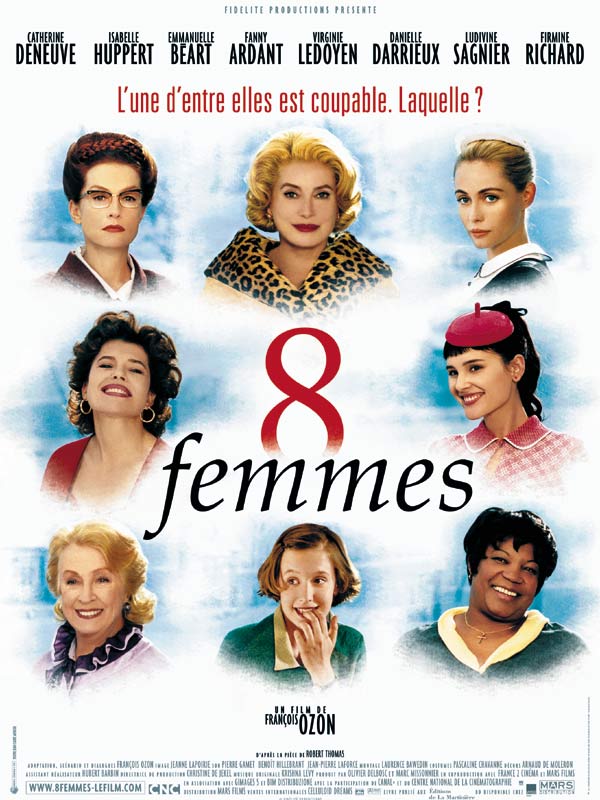 8 Women(2002)
 La nuit des César(1976)as Self - Nominee, Self - Presenter, Self - Winner, Presenter, President
 Beau geste(2023)as Self
 En aparté(2001)as Self
 La boîte à questions(2004)as Self
 C à vous(2009)as Self
 Stéphane Audran, la complice de Chabrol(2024)as Self
 Aux arts et cætera(2022)as Self
 Godard par Godard(2023)as Self
 Godard Cinema(2022)as Self
 Les Nuits de France Culture(1994)as Self


