Oscar-winning character actor Martin Landau was born on June 20, 1928, in Brooklyn, New York. At age 17, he was hired by the New York Daily News to work in the promotions department before he became a staff cartoonist and illustrator. In his five years on the paper, he served as the illustrator for
Billy Rose's "Pitching Horseshoes" column. He also worked for cartoonist
Gus Edson on "The Gumps" comic strip. Landau's major ambition was to act and, in 1951, he made his stage debut in "Detective Story" at the Peaks Island Playhouse in Peaks Island, Maine. He made his off-Broadway debut that year in "First Love".
Landau was one of 2,000 applicants who auditioned for
Lee Strasberg's Actors Studio in 1955; only he and
Steve McQueen were accepted. Landau was a friend of
James Dean and McQueen, in a conversation with Landau, mentioned that he knew Dean and had met Landau. When Landau asked where they had met, McQueen informed him he had seen Landau riding on the back of Dean's motorcycle into the New York City garage where he worked as a mechanic.
Landau acted during the mid-1950s in the television anthologies
Playhouse 90 (1956),
Studio One (1948),
The Philco Television Playhouse (1948),
Kraft Theatre (1947),
Goodyear Television Playhouse (1951), and
Omnibus (1952). He began making a name for himself after replacing star
Franchot Tone in the 1956 off-Broadway revival of
Anton Chekhov's "Uncle Vanya," a famous production that helped put off-Broadway on the New York theatrical map.
In 1957, he made a well-received Broadway debut in the play "Middle of the Night." As part of the touring company with star
Edward G. Robinson, he made it to the West Coast. He made his movie debut in
Pork Chop Hill (1959), but scored on film as the heavy in
Alfred Hitchcock's classic thriller
North by Northwest (1959), in which he was shot on top of Mount Rushmore while sadistically stepping
on the fingers of
Cary Grant, who was holding on for dear life to the cliff face. He also appeared in the blockbuster
Cleopatra (1963), the most expensive film ever made up to that time, which nearly scuttled 20th Century-Fox and engendered one of the great public scandals, the
Elizabeth Taylor-
Richard Burton love affair that overshadowed the film itself. Despite the difficulties with the film, Landau's memorable portrayal in the key role of Rufio was highly favored by the audience and instantly catapulted his popularity.
In 1963, Landau played memorable roles in two episodes of the science-fiction anthology series
The Outer Limits (1963),
The Bellero Shield (1964), and
The Man Who Was Never Born (1963). He was
Gene Roddenberry's first choice to play Mr. Spock on
Star Trek (1966), but
the role went to
Leonard Nimoy, who later replaced Landau on
Mission: Impossible (1966), the show that really made Landau famous. Landau originally was not meant to be a regular on the series, which co-starred his wife
Barbara Bain, whom he had married in 1957. His character, Rollin Hand, was supposed to make occasional, recurring appearances, on
Mission: Impossible (1966), but when the producers had problems with star
Steven Hill, Landau was used to take up the slack. Landau's characterization was so well-received and so popular with the audience, he was made a regular. Landau received Emmy nominations as Outstanding Lead Actor in a Drama Series for each of the three seasons he appeared. In 1968, he won the Golden Globe award as Best Male TV Star.
Eventually, he quit the series in 1969 after a salary dispute when the new star,
Peter Graves, was given a contract that paid him more than Landau, whose own contract stated he would have parity with any other actor on the show who made more than
he did. The producers refused to budge and he and Bain, who had become the first actress in the history of television to be awarded three consecutive Emmy Awards (1967-69) while on the show, left the series, ostensibly to pursue careers in the movies. The move actually held back their careers, and
Mission: Impossible (1966) went on for another four years with other actors.
Landau appeared in support of
Sidney Poitier in
They Call Me Mister Tibbs! (1970), the less-successful sequel to the Oscar-winning
In the Heat of the Night (1967), but it did not generate more work of a similar caliber. He starred in the television movie
Welcome Home, Johnny Bristol (1972) on CBS, playing a prisoner of war returning to the United States from Vietnam. The following year, he shot a pilot for NBC for a proposed
show, "Savage." Though it was directed by emerging wunderkind
Steven Spielberg, NBC did not pick up the show. Needing work, Landau and Bain moved to England to play the leading roles in the syndicated science-fiction series
Space: 1999 (1975).
Landau's and Bain's careers stalled after
Space: 1999 (1975) went out of production, and they were reduced to taking parts in the television movie
The Harlem Globetrotters on Gilligan's Island (1981). It was the nadir of both their careers, and Bain's acting days and their marriage were soon over. Landau, one of the most talented character actors in Hollywood, and one not without recognition, had bottomed out career-wise. In 1983, he was stuck in low-budget sci-fi and horror movies such as
The Being (1981), a role far beneath his talent.
His career renaissance got off to a slow start with a recurring role in the NBC sitcom
Buffalo Bill (1983), starring
Dabney Coleman. On Broadway, he took over the title role in the revival of "Dracula" and went on the road with the national touring company. Finally, his career renaissance began to gather momentum when
Francis Ford Coppola cast him in a critical supporting role in his
Tucker: The Man and His Dream (1988), for which Landau was nominated for an Academy Award as Best Supporting Actor. He won his second Golden Globe for the role. The next year, he received his second consecutive Best Supporting Actor Oscar nomination for his superb turn as the adulterous husband in
Woody Allen's
Crimes and Misdemeanors (1989). He followed this up by playing famed Nazi hunter
Simon Wiesenthal in the TNT movie
Max and Helen (1990). However, the summit of his post-
Mission: Impossible (1966) career was about
to be scaled. He portrayed
Bela Lugosi in
Tim Burton's biopic
Ed Wood (1994) and won glowing reviews. For his performance, he won the Best Supporting Actor Oscar. Martin Landau, the superb character actor, finally had been recognized with
his profession's ultimate award. His performance, which also won him his third Golden Globe, garnered numerous awards in addition to the Oscar and Golden Globe, including top honors from the New York Film Critics Circle and the National Society of Film Critics. Landau continued to play a wide variety of roles in motion pictures and on television, turning in a superb performance in a supporting role in
The Majestic (2001). He received his fourth Emmy nomination in 2004 as Outstanding Guest Actor in a Drama
Series for
Without a Trace (2002).
Martin Landau was honored with his own star on the Hollywood Walk of Fame, located at 6801 Hollywood Boulevard.
Martin Landau died in Los Angeles, California on July 15, 2017.

 Without Ward(2022)as Ward
 Abe & Phil's Last Poker Game(2017)as Abe Mandelbaum
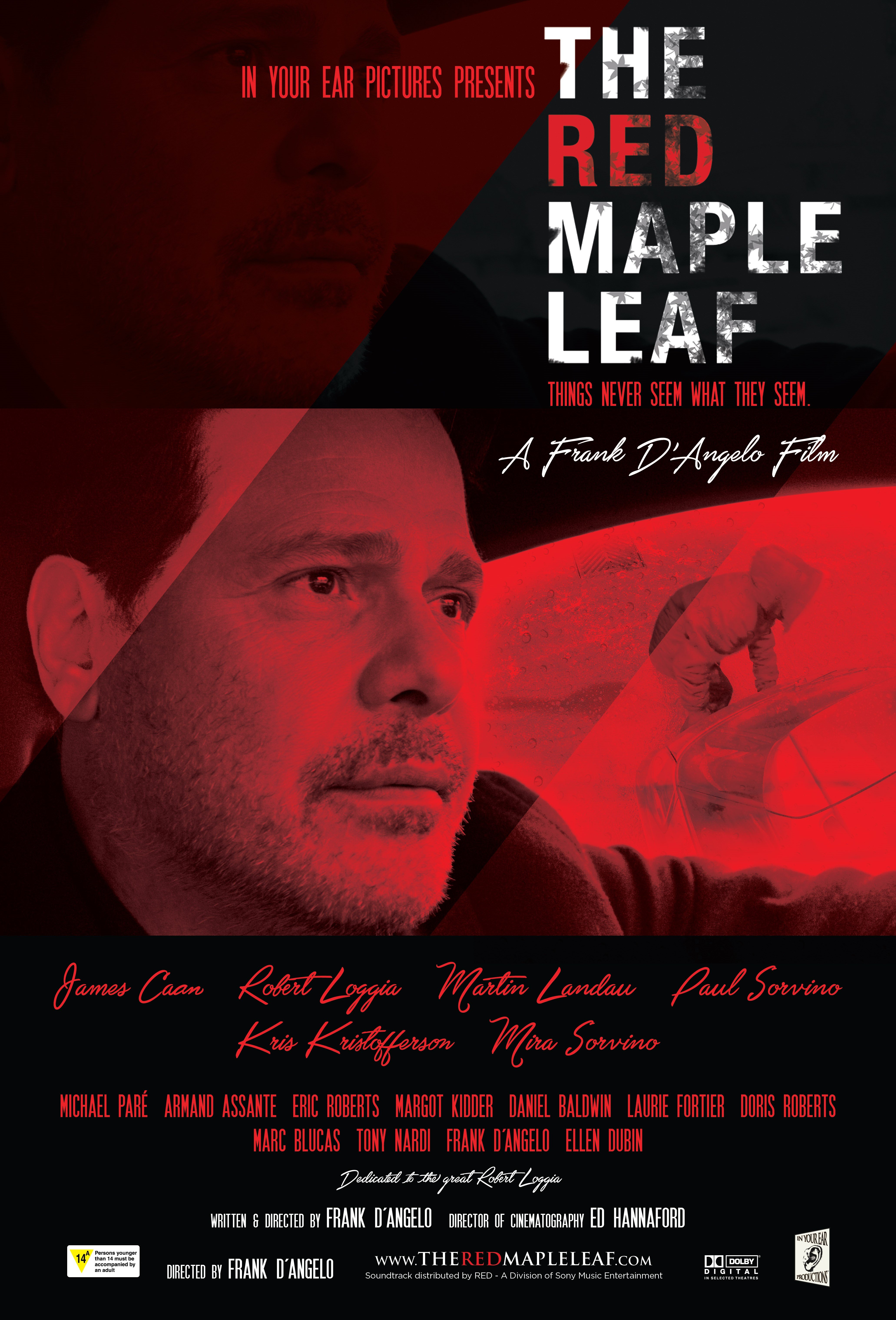 The Red Maple Leaf(2016)as Bernard Florence
 Remember(2015)as Max Rosenbaum
 Entourage(2015)as Bob Ryan
 Bachelor Trip(2012)
 Take Me to Broadway(2011)
 Lovely, Still(2008)
 An Existential Affair(2006)
 It Takes a Lunatic(2019)
 The Oscars(2018)
 Live from E!(1995)
 A Night at the Movies: The Gigantic World of Epics(2009)
 A Night at the Movies: The Suspenseful World of Thrillers(2009)
 The Actors Studio - Martin Landau(2021)as Self
 WTF with Marc Maron(2009)as Self - Guest
 Variety Studio(2010)as Self
 Pioneers of Television(2008)as Self
 Hollywood in & About(2014)as Self
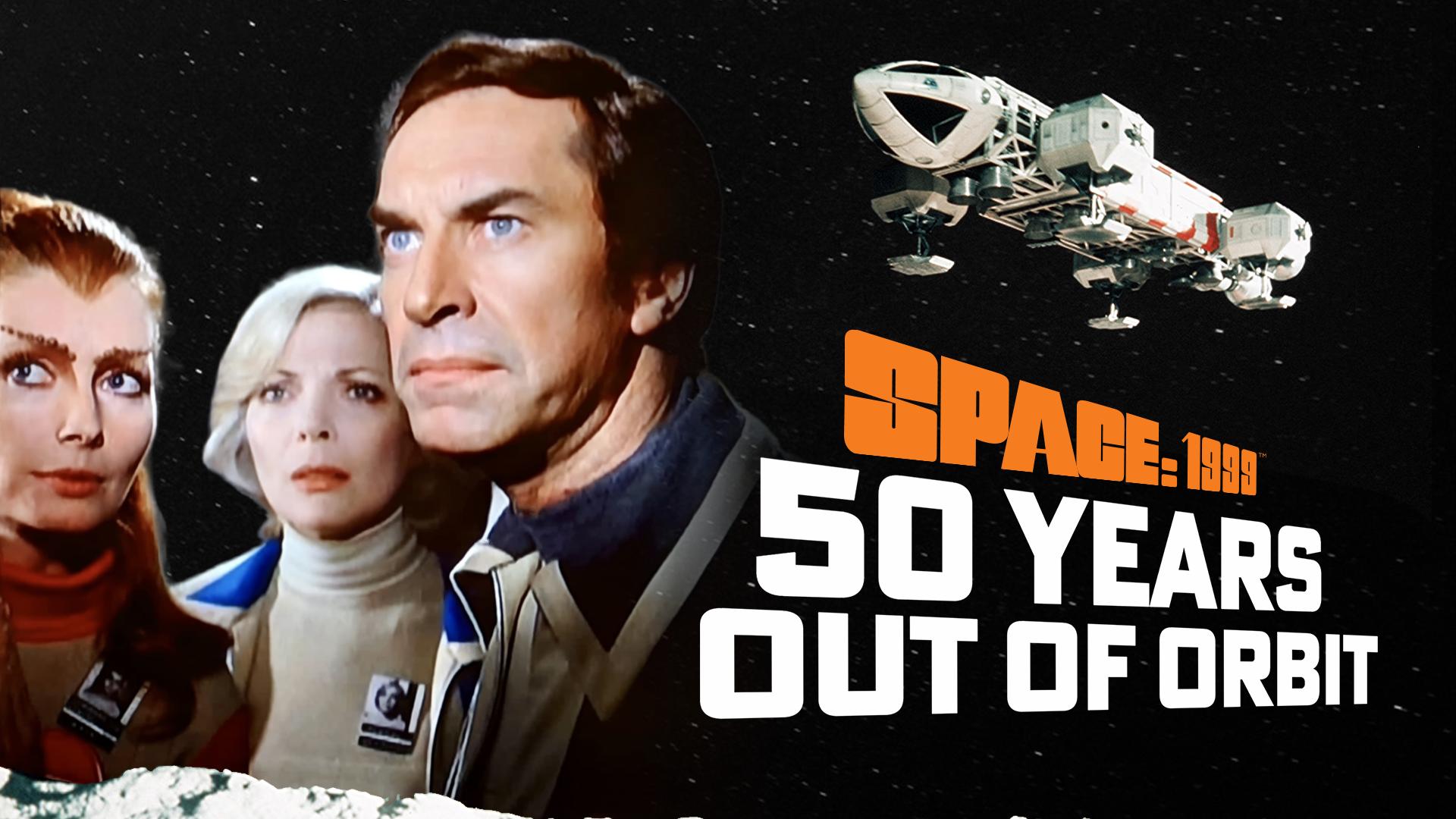 Space: 1999 - 50 Years Out of Orbit(2025)as Self
 Pee-wee as Himself(2025)as Self - Actor
 Becoming Hitchcock: The Legacy of Blackmail(2024)as Leonard in North by Northwest
 Compression(1995)as Self
 Samuel L. Jackson: Did I Stutter?(2023)as Self
 Smashing(2009)as #2


