Dean Robert Stockwell grew up in North Hollywood, the son of Broadway performers
Harry Stockwell and Elizabeth "Betty" Stockwell (née Veronica). His vaudevillian father was a replacement Curly in the original production of "Oklahoma!". He was also a decent tenor whose voice was used for the part of Prince Charming in Disney's
Snow White and the Seven Dwarfs (1937). Dean's mother was a one-time Broadway chorine who used the stage moniker "Betty Veronica." His older brother was the actor
Guy Stockwell.
At the age of seven, Dean made his stage debut in a Theater Guild production of
Paul Osborn's The Innocent Voyage, in which his brother was also cast. The play ran for nine month. Dean was eventually spotted by a talent scout, and, on the strength of his performance, was signed by MGM in 1945. Under contract until 1947 (and again from 1949 to 1950), Stockwell became a highly sought-after child star in films like
Anchors Aweigh (1945), with
Gene Kelly and
Frank Sinatra,
The Green Years (1946) and
Song of the Thin Man (1947). His impish, dimpled looks and tousled brown hair combined with genuine acting talent kept him on the box office front line for more than a decade. Having won a Golden Globe Award as Best Juvenile Actor for
Gentleman's Agreement (1947) (on loan-out to 20th Century Fox), Stockwell went on to play the title role in an adaptation of
Rudyard Kipling's
Kim (1950). He came to admire his co-star
Errol Flynn as a sort of role model. Thereafter, Stockwell segued into television for several years until resurfacing as a mature actor in
Richard Fleischer's
Compulsion (1959), (based on the infamous Leopold & Loeb murder case), co-starring with
Bradford Dillman as one of the two young killers, and
Orson Welles. He had already played the part on Broadway in 1957, on this occasion partnering
Roddy McDowall. His last film role of note in the early 60s was as Edmund Tyrone in
Eugene O'Neill's
Long Day's Journey Into Night (1962). Despite developing a drinking problem on the set (for which he was chastised by
Katharine Hepburn), Stockwell gave a solid performance which he later described as a career highlight.
Stockwell dropped out of show biz for some time in the 60s to join the hippie scene at which time he befriended
Neil Young and
Dennis Hopper. Later in the decade, he made a gleeful comeback in low budget psychedelic counterculture (
Psych-Out (1968)) biker films (
The Loners (1972)) and horror comedies (
The Werewolf of Washington (1973)). Keeping a considerably lower profile during the 70s, he became a frequent TV guest star in popular crime dramas like
Mannix (1967),
Columbo (1971) The Streets of San Francisco (1972) and
Police Story (1973). By the early 80s, work opportunities had become scarcer and Stockwell was compelled to briefly sideline as a real estate broker. He nonetheless managed to make a comeback with a co-starring role in the
Wim Wenders road movie
Paris, Texas (1984). New York Times reviewer
Vincent Canby wrote of his performance "Mr. Stockwell, the former child star, has aged very well, becoming an exceptionally interesting, mature actor." Stockwell subsequently enjoyed high billing in
David Lynch's noirish psycho-thriller
Blue Velvet (1986) and received an Oscar nomination for his Mafia don Tony "The Tiger" Russo in
Married to the Mob (1988). His television career also flourished, as cigar-smoking, womanizing rear admiral Al Calavicci in the popular science fiction series
Quantum Leap (1989). The role won him a Golden Globe Award in 1990 and a new generation of fans. When the show ended after five seasons, Stockwell remained gainfully employed for another decade, still frequently seen as political or military authority figures (Navy Secretary Edward Sheffield in
JAG (1995), Defence Secretary Walter Dean in
Air Force One (1997)) or evil alien antagonists (Colonel Grat in
Star Trek: Enterprise (2001), humanoid Cylon John Cavil in
Battlestar Galactica (2004)).
Outside of acting, Stockwell embraced environmental issues and exhibited works of art, notably collages and sculptures. In 2015, he was forced to retire from acting after suffering a stroke. Stockwell died on November 7, 2021 due to natural causes at the age of 85.
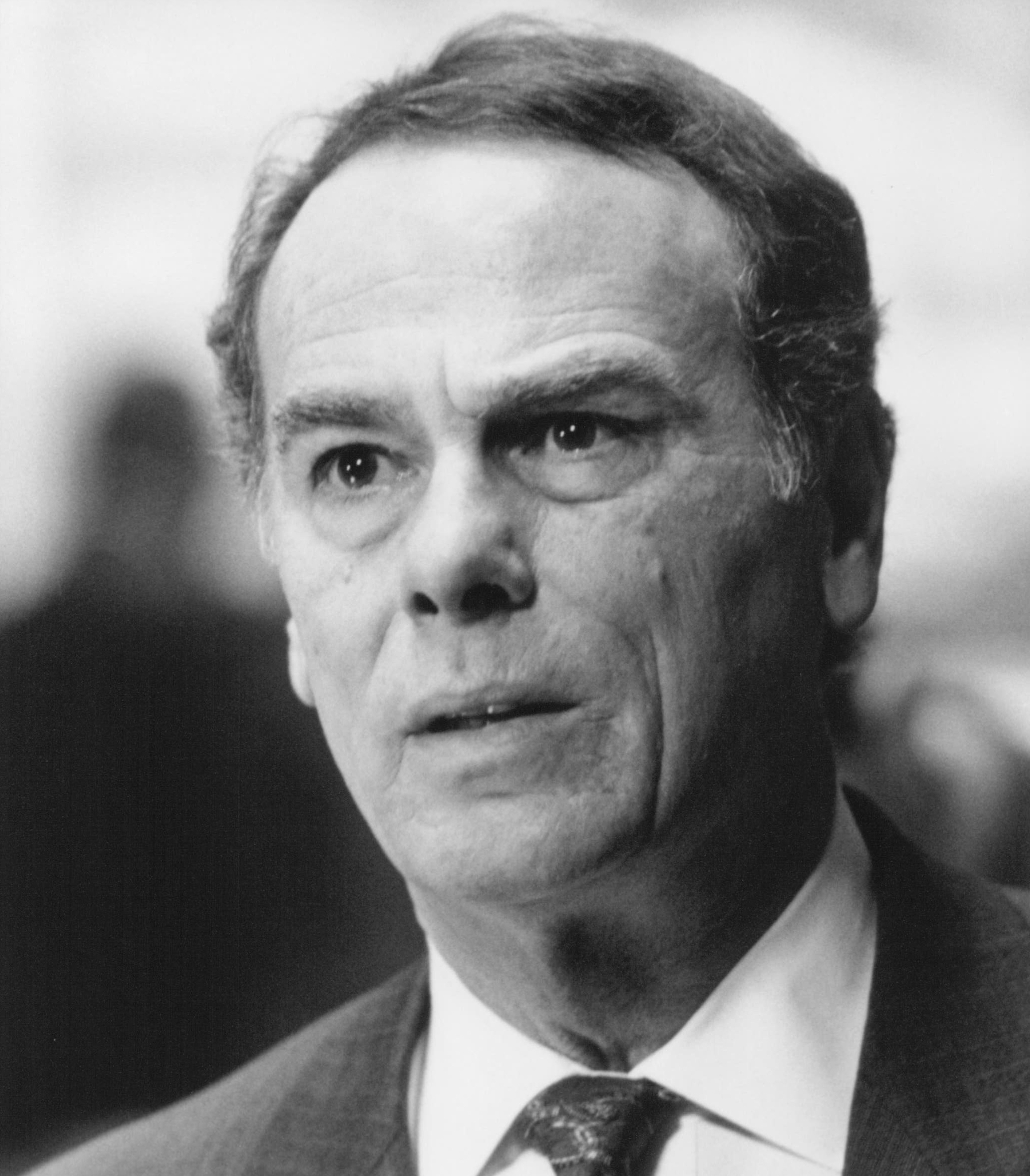
 Human Highway(1982)
 Citizen Soldier(1982)
 Entertainment(2015)as The Celebrity's Henchman
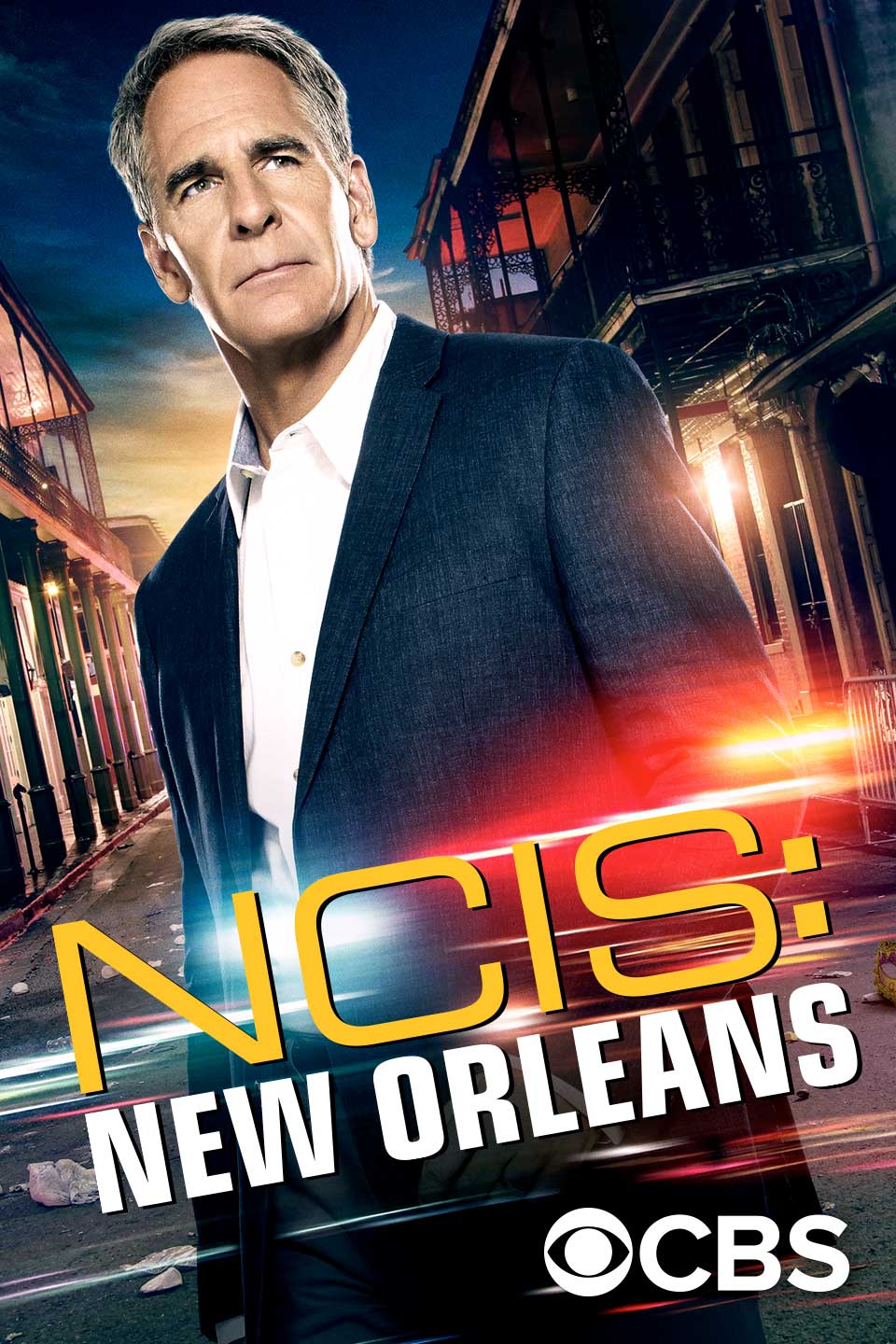 NCIS: New Orleans(2014)as Tom Hamilton
 Rusty Steel(2014)as Hunts
 Persecuted(2014)as Dave Wilson
 Deep in the Darkness(2014)as Phil Deighton
 Rites of Passage(1999)
 Quantum Leap(2022)
 The 74th Primetime Emmy Awards(2022)
 The 28th Annual Screen Actors Guild Awards(2022)
 The Year: 2021(2021)
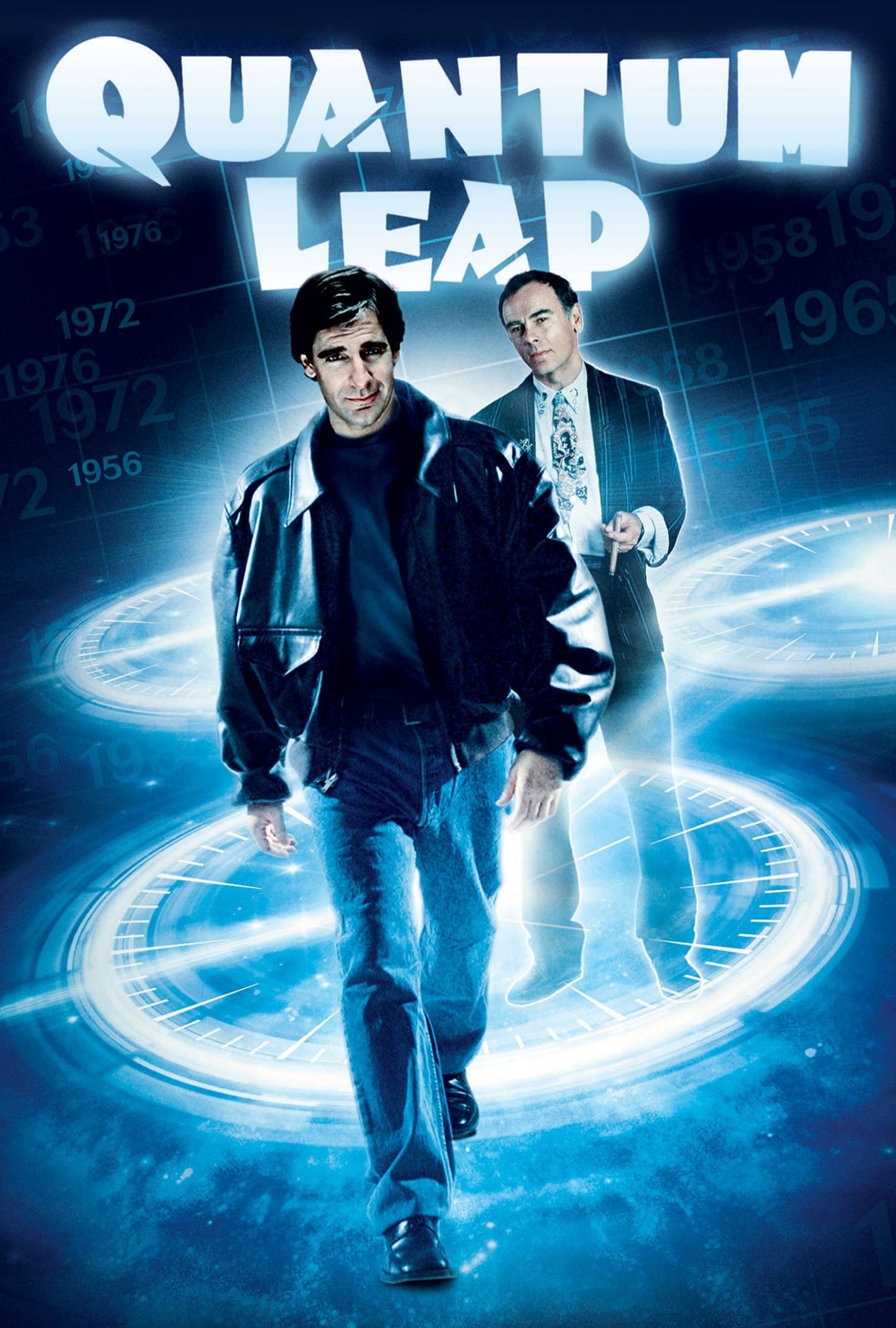 Quantum Leap(1989)
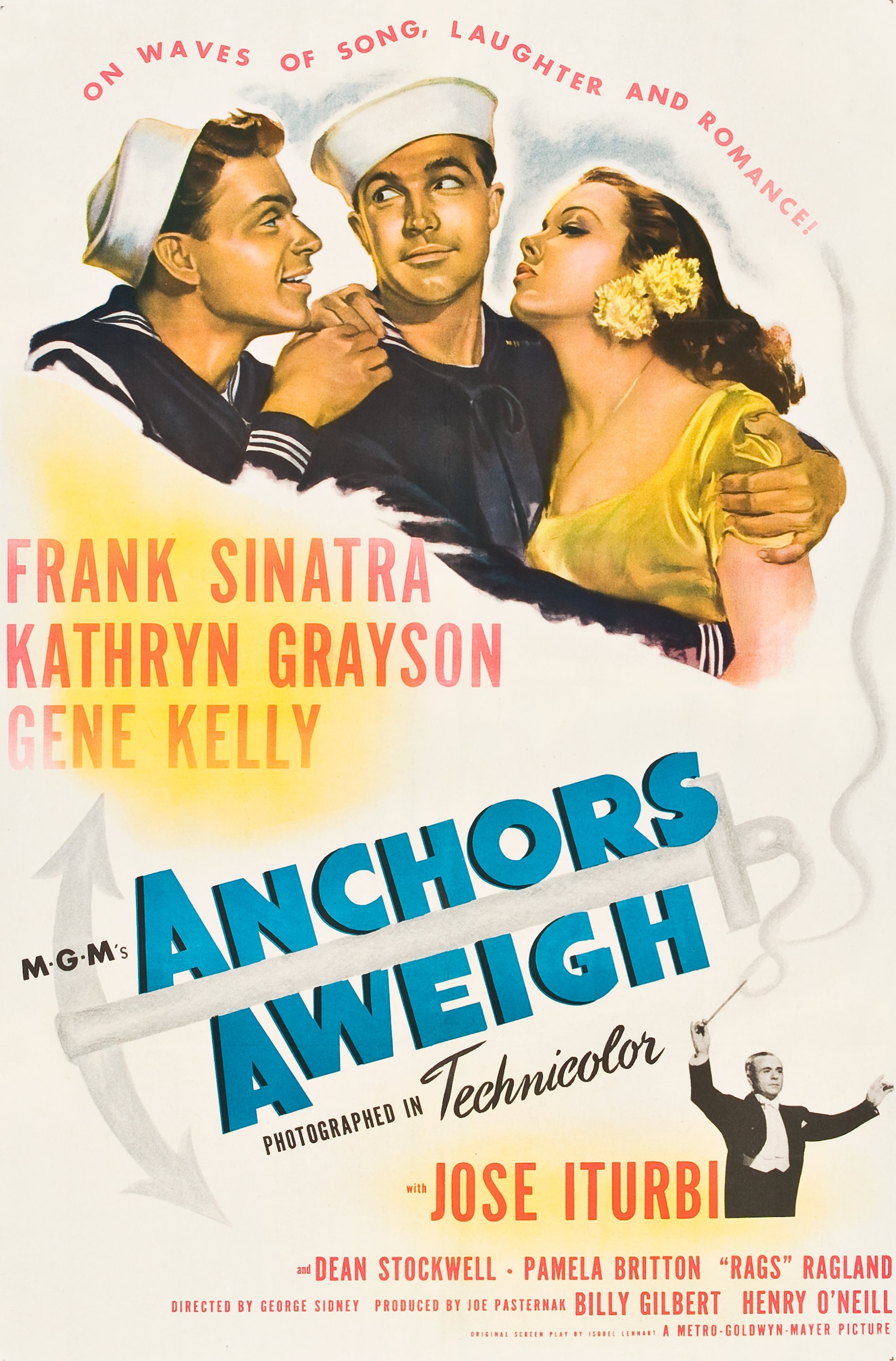 Anchors Aweigh(1945)
 Star Ancestors(2016)as Self - Narrator
 Along for the Ride(2016)as Self
 The After After Party with Steven Michael Quezada(2010)as Self - Guest
 Arte Journal(1998)as Self
 Al's Place Quantum Leap Fan Site 25th Anniversary Retrospective(2025)as Al Calavicci
 ABC News Breakfast(2008)as Self - Actor, Paris, Texas
 Compression(1995)as Self


