Dolores Del Rio was the one of the first Mexican movie stars with international
appeal and who had meteoric career in 1920s/1930s Hollywood. Del Rio came from an aristocratic family in Durango. In the Mexican revolution of 1916, however, the family lost everything and emigrated to Mexico
City, where Dolores became a socialite. In 1921 she married Jaime Del
Río (also known as Jaime Martínez Del Río), a wealthy Mexican, and the
two became friends with Hollywood producer/director
Edwin Carewe, who discovered Del Rio and invited the couple to move to
Hollywood where they launched careers in the movie business
(she as an actress, Jaime as a screenwriter). Eventually, they divorced after Carewe cast her in her first film
Joanna (1925), followed by
High Steppers (1926), and
Pals First (1926). She had her first leading role in Carewe's silent version of
Pals First (1926) and soared to stardom in 1928 with Carewe's
Ramona (1928). The film was a
success and Del Rio was hailed as a female
Rudolph Valentino. Her career continued to rise
with the arrival of sound in the drama/romance
Bird of Paradise (1932) and hit musical
Flying Down to Rio (1933). She later married
Cedric Gibbons, the well-known art director and production
designer at MGM studios.
Dolores returned to Mexico in 1942. Her
Hollywood career was over, and a romance with
Orson Welles--who later called
her "the most exciting woman I've ever met"--caused her second divorce.
Mexican director
Emilio Fernández offered her the lead in his film
Wild Flower (1943), with
a wholly unexpected result - at age 37, Dolores Del Río became the most
famous movie star in her country, filming in Spanish for the first
time. Her association with Fernández' team (cinematographer
Gabriel Figueroa,
writer
Mauricio Magdaleno and actor
Pedro Armendáriz) was mainly responsible for creating
what has been called the Golden Era of Mexican Cinema. With such
pictures as
Maria Candelaria (1944),
The Abandoned (1945) and
Bugambilia (1945), Del Río became the
prototypical Mexican beauty. Her career included
film, theater and television. In her last years she received accolades
because of her work for orphaned children. Her last film was
The Children of Sanchez (1978).

 The Children of Sanchez(1978)as Grandma Paquita
 Marcus Welby, M.D.(1969)as Carlotta Lopez de Guadalupe
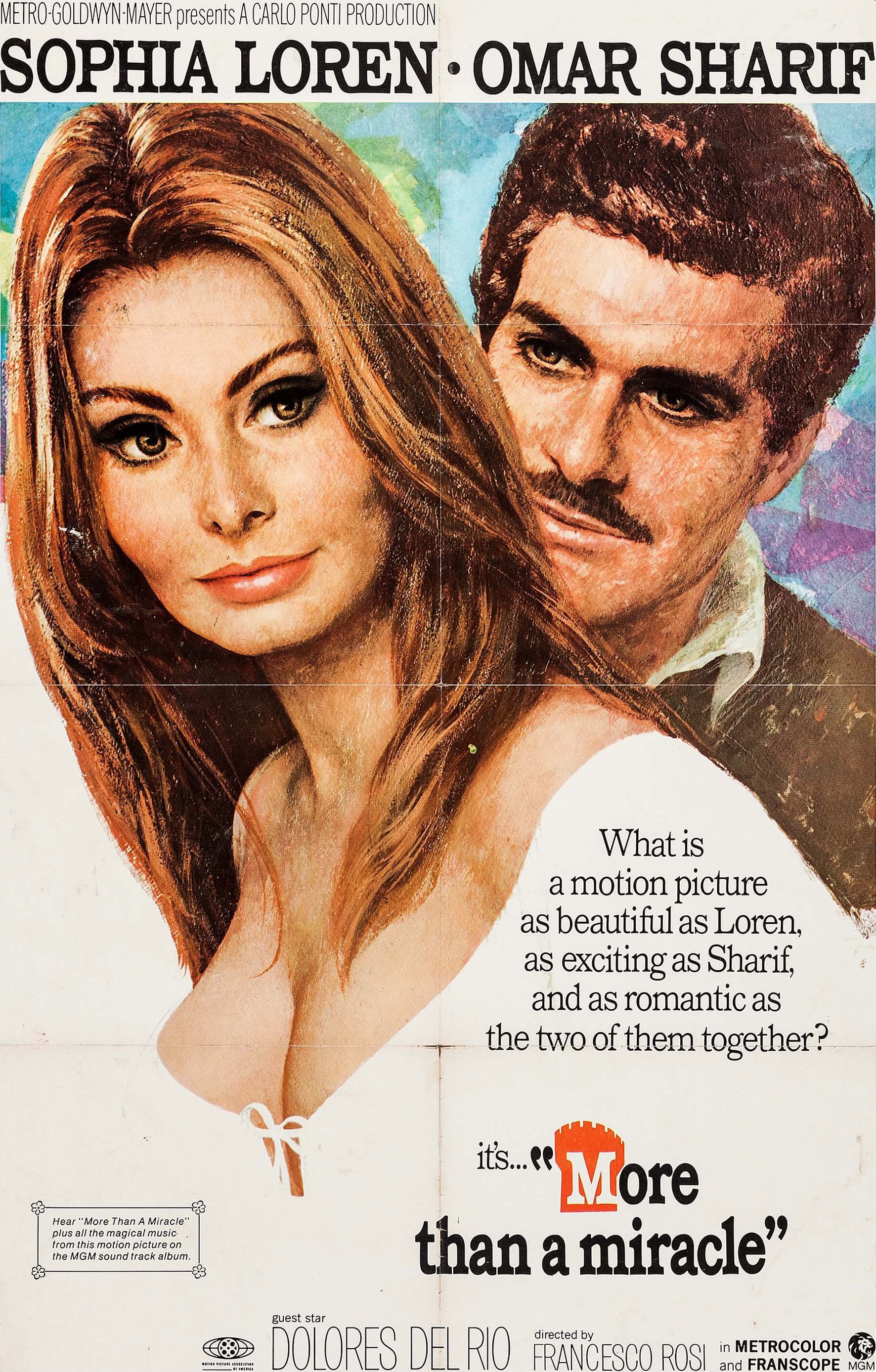 More Than a Miracle(1967)as Queen Mother
 Casa de mujeres(1966)as Hilda Moreno (La Doña)
 Part Four: Dolores del Rio(2009)
 With a Friend Like Harry...(2000)
 International Settlement(1938)
 In Caliente(1935)
 Madame Du Barry(1934)
 Wonder Bar(1934)
 México de mis amores(1979)as Ella misma
 Salsa(1976)as Self
 Mexico 68. Instantaneas(1968)as Self
 A Bob Hope Comedy Special(1966)as Self
 The Bob Hope Show(1950)as Self
 Compression(1995)as Self
 Un Recuerdo Para Ellos de Gloria(2020)as María Candelaria, Magdalena, María
 America in Color(2017)as Self
 Magician: The Astonishing Life and Work of Orson Welles(2014)as Self
 Arena(1975)


