Robert L. Surtees began his working life as a portrait photographer and
retoucher, before becoming camera assistant at Universal in 1927. He
spent a lengthy apprenticeship (15 years) working under such
experienced cinematographers as
Hal Mohr,
Joseph Ruttenberg and
Gregg Toland. Between 1929 and 1930, he was
seconded to the Universal studios in Berlin, subsequently spending the
remainder of the decade at First National, Warner Brothers and Pathe.
He settled at MGM in 1943 (remaining under contract until 1962), and
soon developed a reputation as one of Hollywood's foremost lighting
cameramen.
In keeping with the glamorous, lavish look of MGM product of the time,
Surtees typically employed high-key lighting. This particularly suited
big budget colour epics, like
Quo Vadis (1951) and
Ben-Hur (1959) (filmed in the large
screen Camera 65 process with anamorphic lenses, which greatly enhanced
colour definition and sharpness); expansive outdoor musicals like
Oklahoma! (1955) (the first picture
shot in 70 mm Todd-AO ultra wide- screen format); or lush, romantic
period drama like
Raintree County (1957). Forever
at the cutting edge of technological innovation, Surtees was an
extremely versatile craftsman. He excelled at every genre and
photographic process, superb at shooting sweeping scenery (for example,
his Technicolor lensing of
King Solomon's Mines (1950)on
location in Africa), or bringing the best out of his close-ups. An
undoubted high point in his career would have to be the 9-minute
chariot race from "Ben-Hur".
Surtees received the first of his 16 Oscar nominations for
Thirty Seconds Over Tokyo (1944)
(when the studio system was at its peak), and his last - some 33 years
later - for
The Turning Point (1977).
Testimony to his ageless endurance was being picked by director
Peter Bogdanovich to shoot
The Last Picture Show (1971).
In the same nostalgic vein, his work on
The Sting (1973), photographed in
subtle sepia tones (the film was deemed by the Library of Congress as
'aesthetically significant'), contributed greatly to its winning 7
Academy Awards.

 Same Time, Next Year(1978)
 Bloodbrothers(1978)
 The Turning Point(1977)
 A Star Is Born(1976)
 The Hindenburg(1975)
 The Chase(1966)
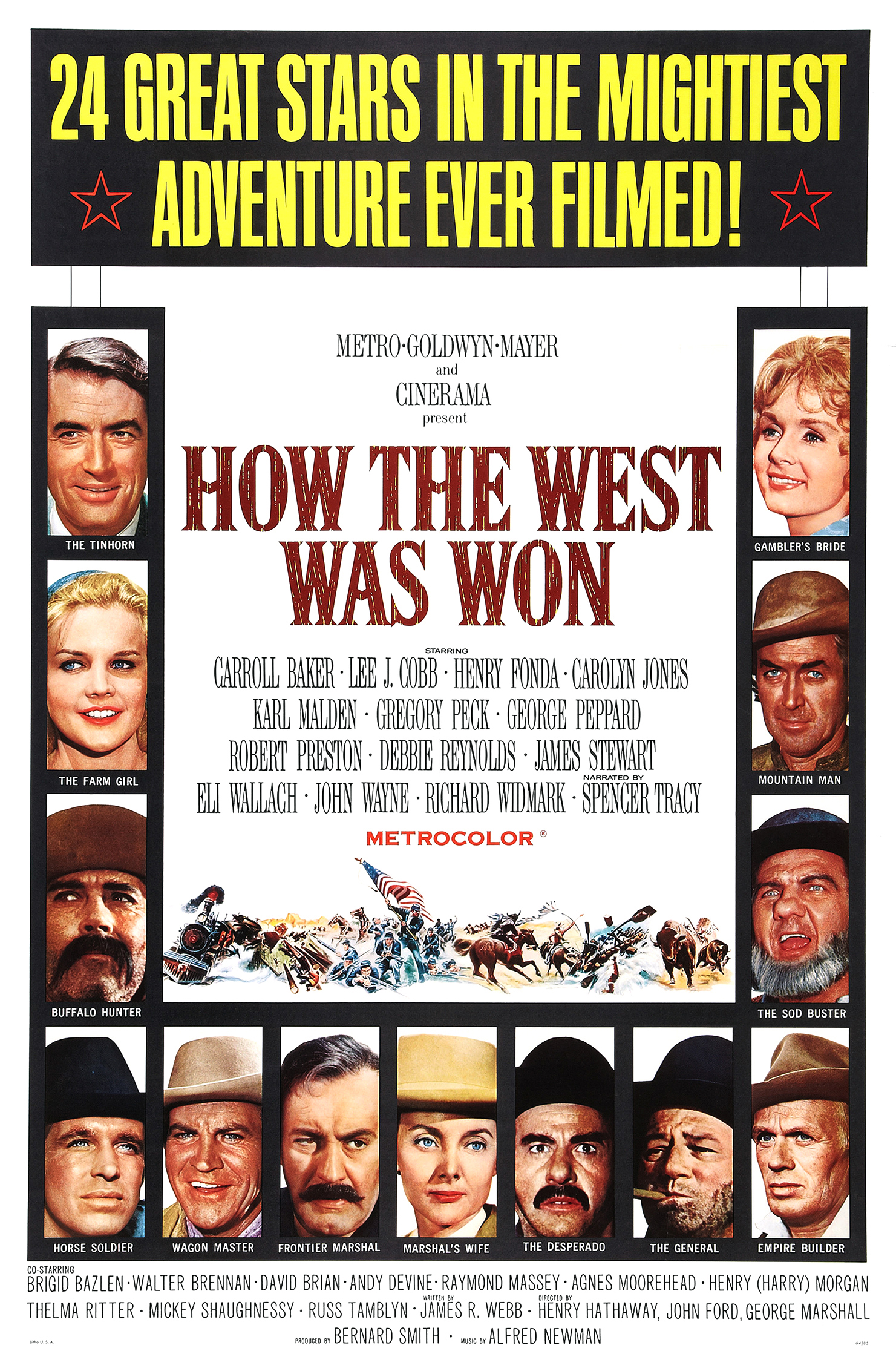 How the West Was Won(1962)
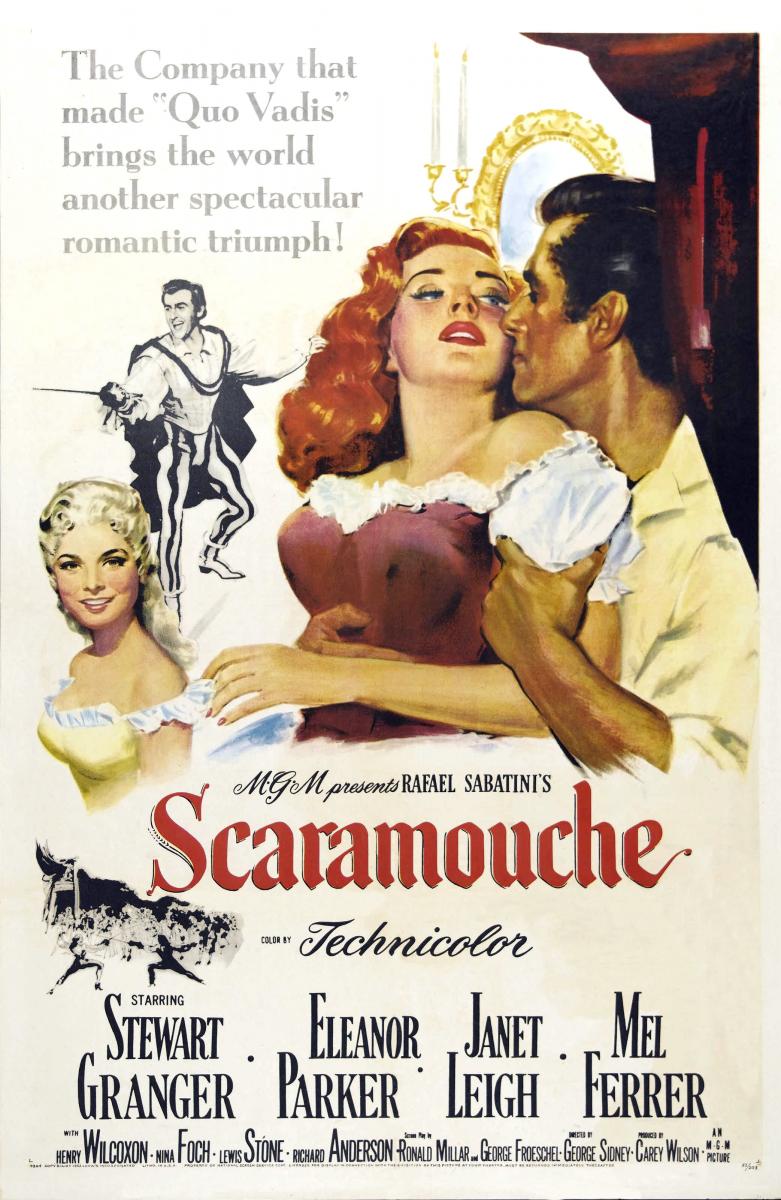 Scaramouche(1952)
 The Seventh Cross(1944)
 It's a Date(1940)
 Around the World in 80 Days(1956)
 The 25th Annual Academy Awards(1953)as Self - winner for Cinematography black & white film
 The Making of: The Other(2021)as Self


