Eccentric, self-deprecating comedian Eddi Arent first attracted
attention in a series of quirky
Edgar Wallace adaptations in the 1960's.
For several years, he was Germany's idea of stereotypically blithering
English lords
(
The Strange Countess (1961),
as the aptly named Lord Selwyn Moron), laconic butlers
(
Secret of the Red Orchid (1962))
or obtuse, clumsy second-string Scotland Yard photographers
(
Dead Eyes of London (1961),
The Door with Seven Locks (1962).
Otherwise, Arent was patently reliable as droll, vaguely effete
sidekicks and comic relief in westerns and adventure films based on the
ever-popular writings of
Karl May. He is fondly
remembered as the mild-mannered, bumbling butterfly collector
Castlepool in the 'Winnetou' trilogy, beginning with
Treasure of Silver Lake (1962).
To confound those who had him perpetually typecast, Arent also donned
the black garb of villainy as a murderous monk for one of his last
Edgar Wallace potboilers,
The Sinister Monk (1965).
He must have enjoyed this change of character, since he repeated the
exercise: first (not too convincingly), playing a human trafficker
masquerading as a priest in
Der Bucklige von Soho (1966);
then, as a knife-throwing killer in the English-German co-production
Psycho-Circus (1966), which had
the great
Christopher Lee (for
once) relegated to the role of the 'red herring'.
Unlike most of his peers, Arent had little formal theatrical training.
Instead, he began in cabaret, where he developed the character sketches
and personae which would later make his name. Nor did he have any
interest in forging a career on the legitimate stage. Films first saw
him as a dramatic actor in minor supporting roles, his natural talent
as a comedian not recognised until the end of the 1950's. After his
hey-day in the 60's, his subsequent output was fairly unremarkable. For
the most part, he fluttered around on the margins of youth-oriented
low-brow pop-films. Some of his other pictures may have appealed to
devotees of 'Heimatfilm' schmaltz. However, in the 80's, Arent acquired
a new following with the television sketch show
Harald und Eddi (1987). In
conjunction with perennial audience favorite
Harald Juhnke, he delighted audiences with
his comedic versatility. Leaving the limelight in the 1990's, Arent
then endured a series of financial and personal setbacks. Suffering
from depression and increasingly afflicted by dementia, he died in May
2013 at the age of 88.
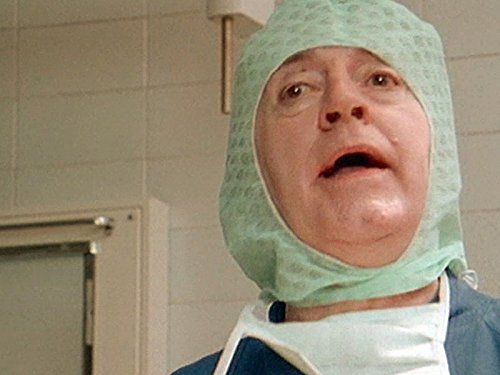
 Edgar Wallace - Das Schloss des Grauens(2002)as Sir John
 Mörderischer Plan - Nichts ist wie es scheint!(2003)
 Leute heute(1997)as Self
 NDR Talk Show(1979)as Self
 30 Favoriten(2011)as Self
 30 Jahre Harald & Eddi - ein verrücktes Paar(2016)
 Roy Black. Eine Legende. Unvergessen.(2016)as Tobby Kirsch
 German Grusel - Die Edgar Wallace-Serie(2011)as Various Roles
 DAS!(1991)as Self


