Christopher H. Bidmead trained as an actor at the
Royal Academy of Dramatic Art (RADA) and pursued this career for a
number of years, winning many roles on stage, television (he was a
regular in
Emergency-Ward 10 (1957)) and radio (including numerous episodes
of the BBC's "Waggoner's Walk"). He gradually turned to writing scripts, including in the early seventies on two Thames TV shows,
Harriet's Back in Town (1972) and
Rooms (1974).
Bidmead then worked successfully as a
journalist, specializing in scientific and technical subjects, until
late 1979, when he was recommended by
Robert Banks Stewart for the post of script editor on
Doctor Who (1963), working with the new producer
John Nathan-Turner. Bidmead agreed with Nathan-Turner and executive producer
Barry Letts that the series had become too humorous under the previous team of
Graham Williams and
Douglas Adams, so they resolved to bring a more serious approach to it for
Tom Baker's final season. Having remained in this post for a
year, which included writing two key stories in the form of
Logopolis: Part One (1981)
and
Castrovalva: Part One (1982), which saw the transition from
Tom Baker to
Peter Davison, Bidmead returned to freelance projects. These included a third contribution to the series,
Frontios: Part One (1984), and novelizations of all three of his scripts for Target Books.
Bidmead remains, along with 1960s scientific advisor
Kit Pedler, a significant figure as one of the few people to have brought genuine science into the fantasy-orientated world of
Doctor Who (1963) or
Doctor Who (2005). He continued to work as a scientific and technical journalist, including on the magazine "Wired". He died in 2025.
 Doctor Who: Target Novelisation Audiobooks(2005)
 Doctor Who: The Lost Stories(2009)
 Doctor Who: The Monthly Adventures(1999)
 Doctor Who(1963)
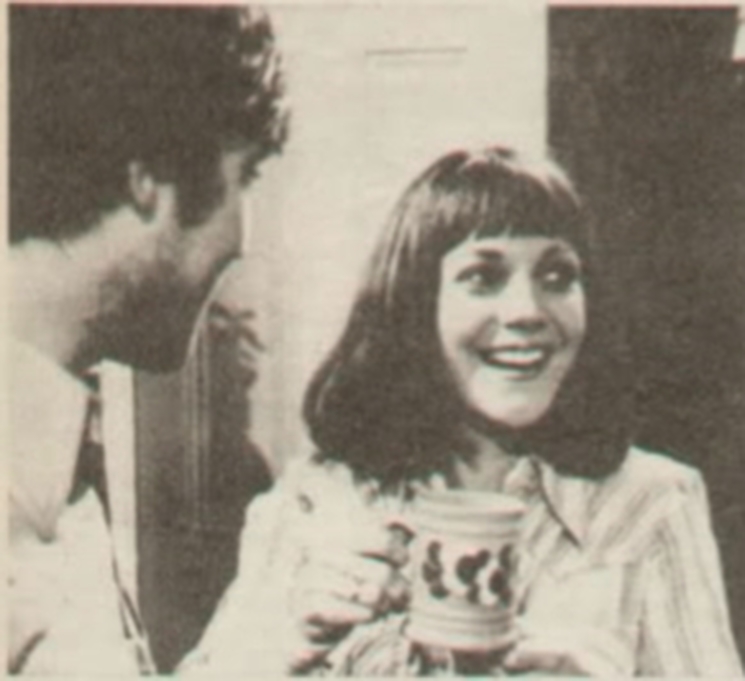 Rooms(1974)
 Crime of Passion(1970)as Sgt. Sill
 Emergency-Ward 10(1957)as Dr. Lomas
 The Doctors - The Tom Baker Years - Behind the Scenes Vol. 2(2021)as Self
 Showman: The Life of John Nathan-Turner(2019)as Self
 Who's Round(2013)as Self
 The Doctor's Moriarty(2011)as Self - Script Editor 1980 - 1981
 Dream Time: The Making of 'Kinda'(2011)as Self