The favorite cinematographer of legendary director
Alfred Hitchcock began working
at Warner Bros. when he was 19 years old. He climbed his way up from
camera operator to assistant camera man and eventually took over the
Special Photographic Effects unit at Warners on Stage 5 in 1944. He
became an expert in forced perspective techniques which were widely in
use at the time as cost-saving measures, or on B-pictures. Burks did
special effects work on major productions like
Arsenic and Old Lace (1944),
The Unsuspected (1947) and
Key Largo (1948).
In 1949, Burks graduated to becoming a fully-fledged director of
photography. His striking black & white work on
The Fountainhead (1949) was
particularly evocative in showcasing the stark, austere architectural
lines of the film's chief protagonist, Howard Roark
(
Gary Cooper). On the strength of
this, and his next film,
The Glass Menagerie (1950),
Hitchcock hired him to
shoot his thriller
Strangers on a Train (1951).
From this developed one of Hollywood's most inspired collaborations, as
well as a close personal friendship.
When his contract at Warner Brothers expired in 1953, Burks followed
Hitchcock to Paramount and went on to play an integral part in
creating the brooding, tension-laden atmosphere of the director's best
work between 1954 and 1964. His range varied from the neo-realist,
almost semi-documentary black & white look of
The Wrong Man (1956) to the
intensely warm and beautiful deep focus VistaVision colour photography
of
Vertigo (1958). His muted tones
matching the claustrophobic setting of
Rear Window (1954) stood in sharp
contrast to the vibrant, full-hued colours used in the expansive
outdoor footage of
To Catch a Thief (1955) and
North by Northwest (1959).
The experience Burks had gained in forced perspective miniatures in his
early days at Warner Brothers, also stood him in good stead on
'Vertigo' (the mission tower), 'North by Northwest' (the Mount Rushmore
scenes) and, later, 'The Birds'. Because of his expertise, Burks was
often able to contribute ideas to shooting scenes more effectively. He
was also an innovator in the application of both telephoto and wide
angle lenses as a means to creating a specific mood. The
Hitchcock-Burks partnership ended after
Marnie (1964), and, under less-inspired
directors (except for
A Patch of Blue (1965)), his later
work inevitably declined in quality. Robert Burks and his wife, Elysabeth, were
tragically killed in a fire at their house in May 1968.
Robert Burks won the 1955 Academy Award for Best Colour Photography for
'To Catch a Thief'. He was also nominated for 'Strangers on a Train',
'Rear Window' and 'A Patch of Blue'.

 The Birds: Tippi Hedren's Screen Test(2000)
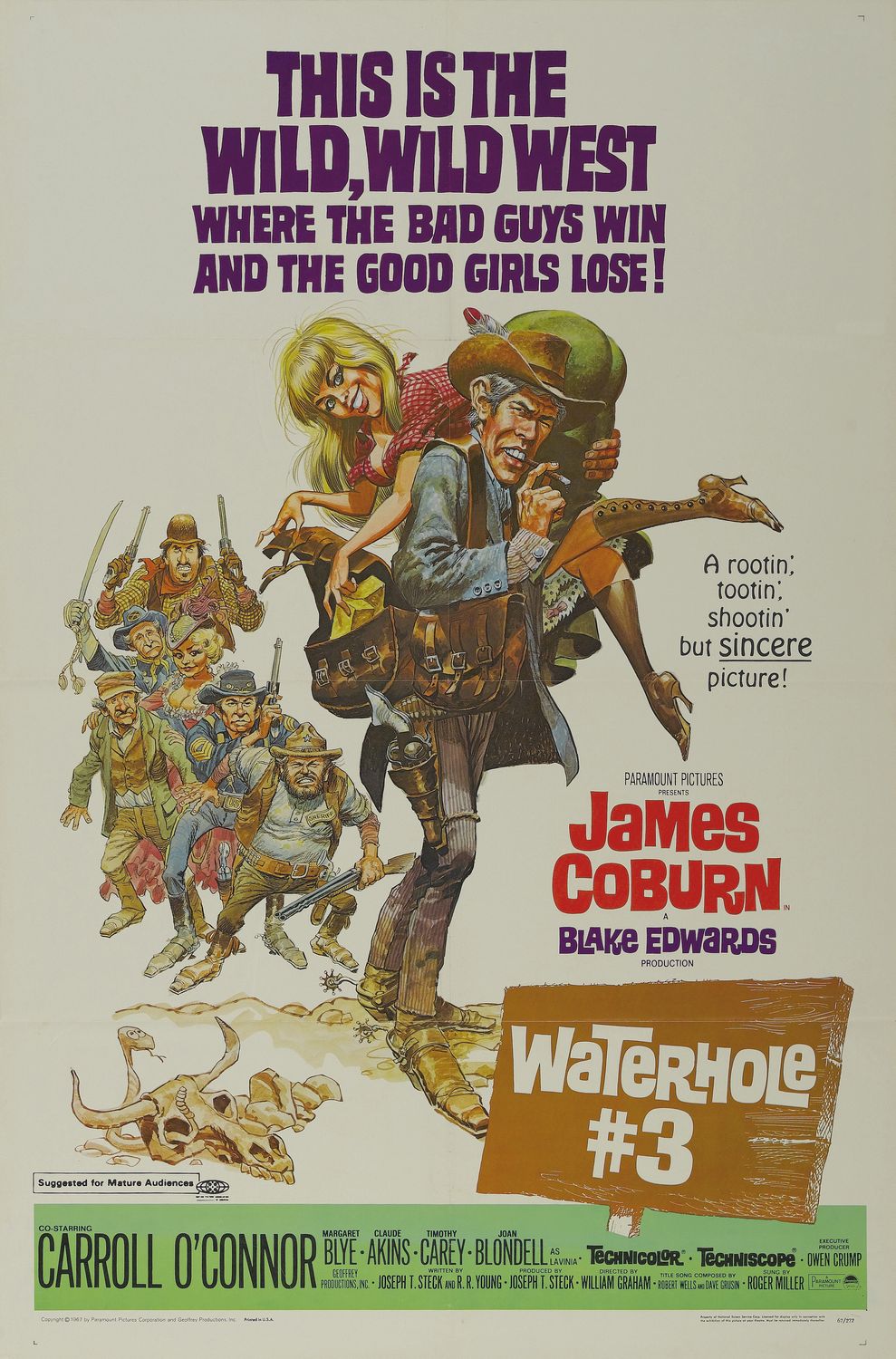 Waterhole #3(1967)
 A Covenant with Death(1967)
 A Patch of Blue(1965)
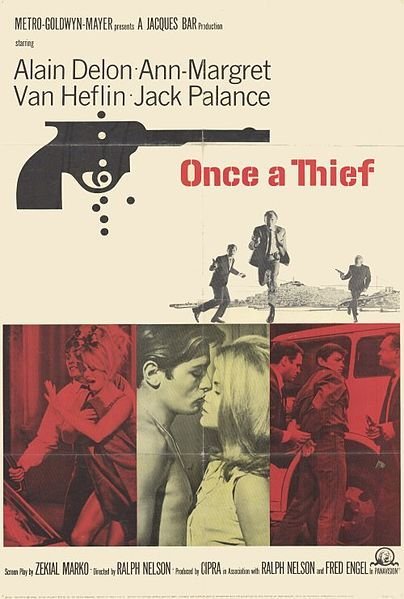 Once a Thief(1965)
 The Miracle of Our Lady of Fatima(1952)
 The Younger Brothers(1949)
 John Loves Mary(1949)
 Smart Girls Don't Talk(1948)
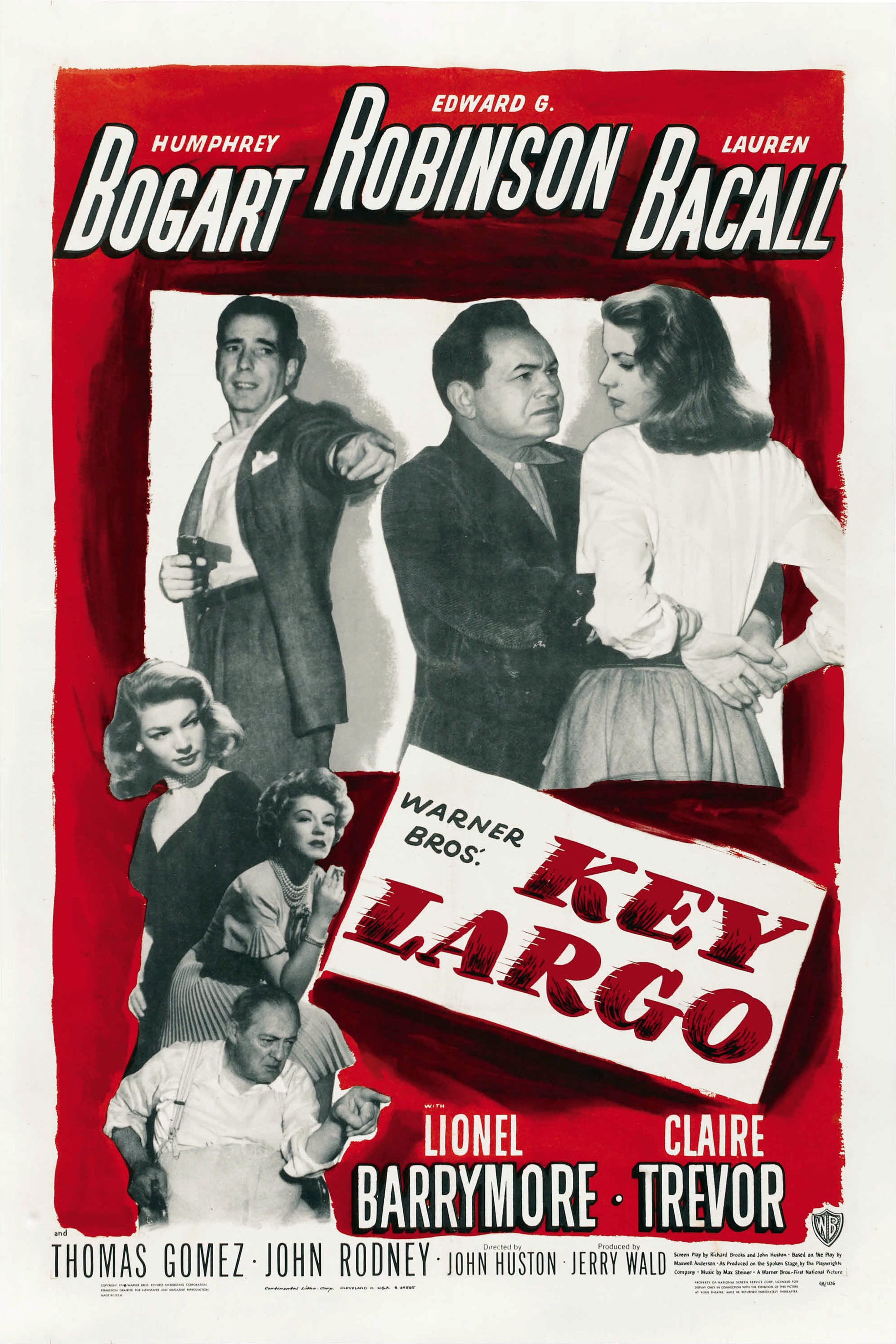 Key Largo(1948)
 The Unsuspected(1947)
 Lilly Turner(1933)
 They Drive by Night(1940)
 Brother Orchid(1940)
 My Name Is Alfred Hitchcock(2022)as Self
 'Rear Window' Ethics: Remembering and Restoring a Hitchcock Classic(2001)as Self


