Studied playing the cornet while attending school in Wyoming, then
switched to violin, bass and trombone before settling on trumpet as his
instrument of choice. For a while, it seemed that Billy would embark on
a medical career at Transylvania College in Kentucky, but he became so
popular performing with the college dance orchestras that, in January
1937, he landed a job with Austin Wylie in Pittsburgh. From there, he
went on to a trumpet chair with
Bob Crosby and the Bobcats
and eventually played for several of the great swing bands:
Artie Shaw and His Orchestra
(1940-41),
Benny Goodman (1941-42)
and
Les Brown (briefly, until called
up for wartime service).
Billy's trumpet playing was noted for powerful emotional phrasing and a
rounded,
'fat' sound which ideally suited ballads such as the
Bob Haggart
hit "What's New" or his solo of
Hoagy Carmichael's "Stardust" with the
Artie Shaw band. In the motion picture
Second Chorus (1940), he can be
heard on Shaw's "Concerto for Clarinet". In early 1946, Billy organised
his own outfit in conjunction with ex-Crosby band member
William Stegmeyer, who, in addition to
playing alto sax and clarinet, also furnished many of the arrangements.
While the band made several good recordings, it failed as a financial
enterprise and Billy returned to doing studio work in New York. He
accompanied
Louis Armstrong's
vocal of "Blueberry Hill" in 1949. During the 1950's and 60's, he led
several small Dixieland-oriented combos and appeared at the famous 1958
Newport Jazz Festival. In 1968, he joined the World's Greatest Jazz
Band , along other luminaries, such as ex-Bobcats Bob Haggart and
Yank Lawson.

 Star Stage(1955)
 Danger(1950)as Trumpeter - dubbing for Steve Allen
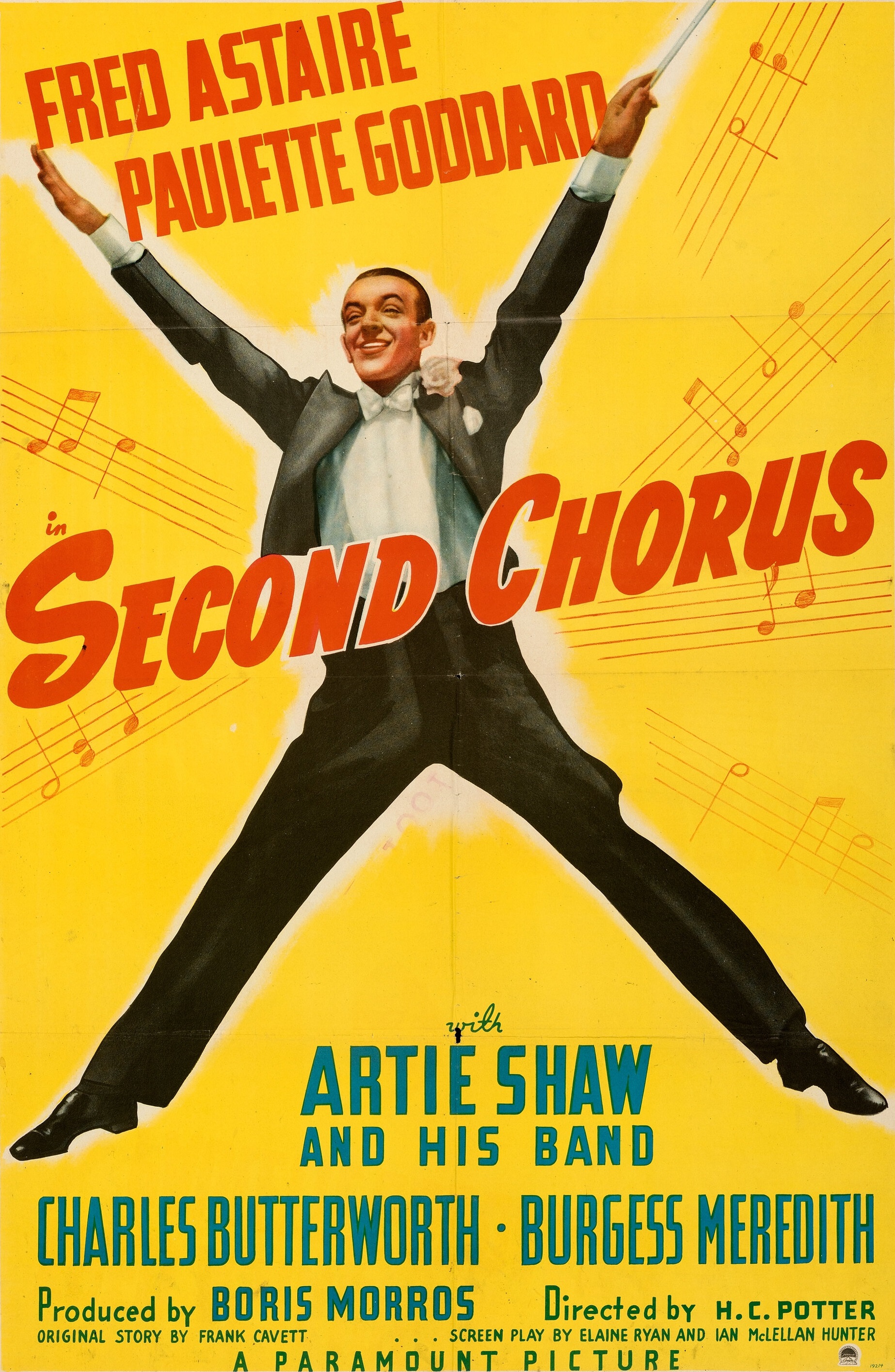 Second Chorus(1940)as Trumpet Player
 The Cider House Rules(1999)
 The Mike Douglas Show(1961)as Self - Musician
 The Tonight Show(1953)as Self - trumpet player
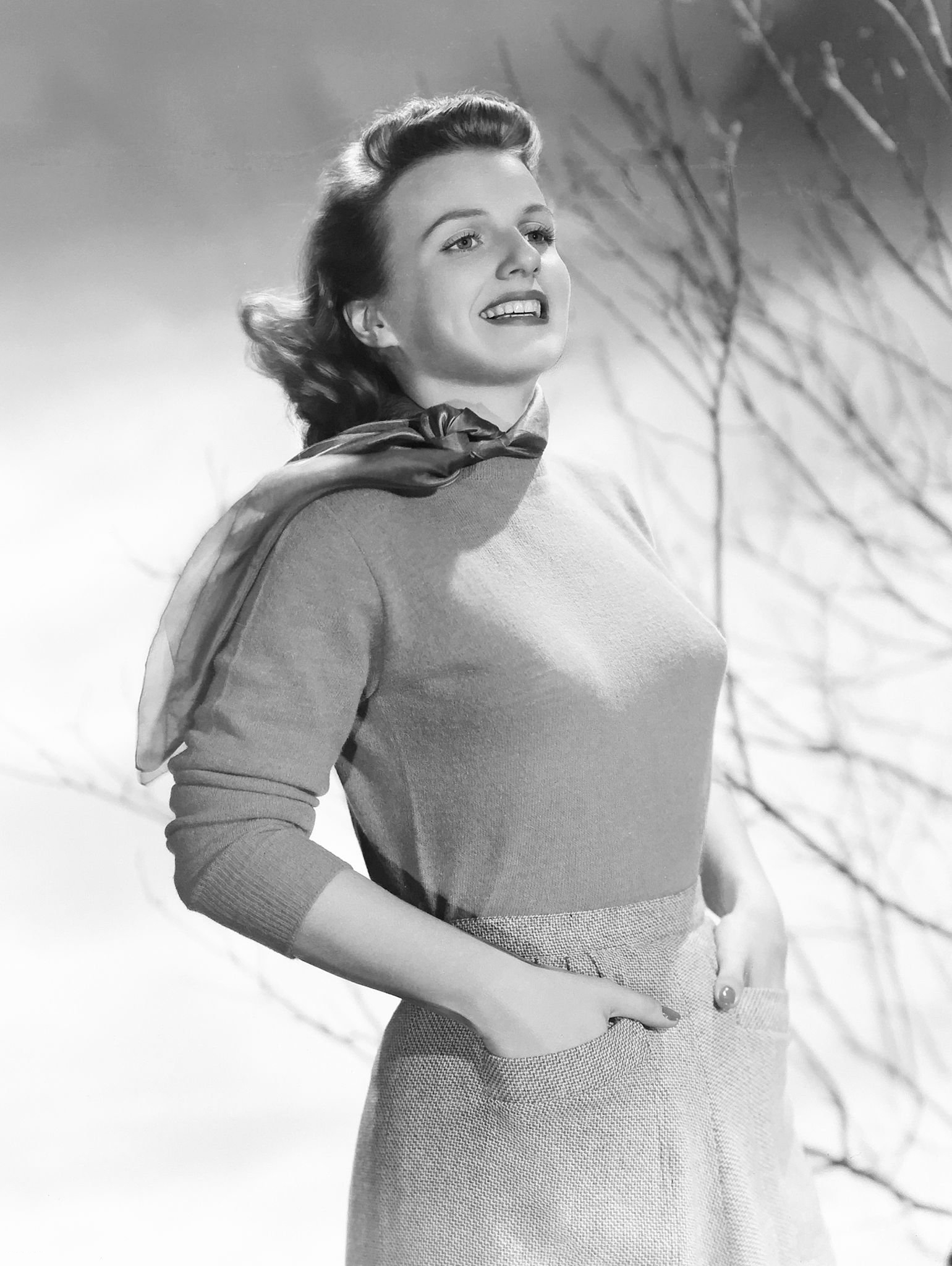 The Garry Moore Show(1950)as Self - jazz trumpeter
 The Man Behind the Badge(1953)as Self - Jazz Trumpeter
 Jazz Ball(1956)as Self as Billie Butterfield
