Tall, blond and of rugged proportions, handsome actor Philip Carey
started out as a standard 1950s film actor in westerns, war stories and
crime yarns but didn't achieve full-fledged stardom until well past age
50 when he joined the daytime line-up as ornery Texas tycoon Asa
Buchanan on the popular soap
One Life to Live (1968) in
1979. He lived pretty much out of the saddle after that, enjoying the
patriarchal role for nearly three decades.
He was born with the rather unrugged name of Eugene Carey on July 15,
1925, in Hackensack, New Jersey. Growing up on Long Island, he served
with the Marine Corps during World War II and the Korean War. He
attended (briefly) New York's Mohawk University and studied drama at
the University of Miami where he met his college sweetheart, Maureen
Peppler. They married in 1949 and went on to have three children:
Linda, Jeffrey and Lisa Ann.
The 6'4" actor impressed a talent scout with his brawny good looks
while appearing in the summer stock play "Over 21" in New England, and
he was offered a contract with Warner Bros as a result. Billed as
Philip Carey, he didn't waste any time toiling in bit parts, making his
film debut billed fifth in the
John Wayne submarine war drama
Operation Pacific (1951). Phil
could cut a good figure in military regalia and also showed strong
stuff in film noir. A most capable co-star, he tended to be upstaged,
however, by either a stronger name female or male star or by the action
at hand. He was paired up with
Frank Lovejoy in the McCarthy-era
I Was a Communist for the F.B.I. (1951),
and
Steve Cochran in the prison
tale
Inside the Walls of Folsom Prison (1951).
Warner Bros. star
Joan Crawford
was practically the whole movie in the film noir
This Woman Is Dangerous (1952)
co-starring the equally overlooked
David Brian and
Dennis Morgan;
Calamity Jane (1953) was a vehicle
for
Doris Day; and he donned his
familiar cavalry duds in the background of
Gary Cooper in the Civil War western
Springfield Rifle (1952).
In 1953, Carey left Warner Bros. and signed up with Columbia Pictures
where he was, more than not, billed as "Phil Carey." Here again he fell
into the rather non-descript rugged mold as the stoic soldier or stolid
police captain. He did find plenty of work, however, and was frequently
top-billed. He battled the Sioux in
The Nebraskan (1953); played a
former subordinate member of the Butch Cassidy and the Sundance Kid
gang who has to clear his name in
Wyoming Renegades (1955); was a
brute force to be reckoned with in
They Rode West (1954); and had one
of his standard movie roles (as an officer) in a better quality movie,
Columbia's
Pushover (1954), which spent
more time promoting the debut of its starlet
Kim Novak as the new
Marilyn Monroe. Overshadowed by
James Cagney and
Jack Lemmon in
Mister Roberts (1955) and by
Van Heflin, young
Joanne Woodward (in her movie
debut) and villain
Raymond Burr in the
western
Count Three and Pray (1955),
Phil turned his durable talents more and more to TV in the late 1950s.
The man of action took on the role of Canadian-born Lt. Michael Rhodes
on the series
Tales of the 77th Bengal Lancers (1956)
alongside
Warren Stevens. He eventually
left Columbia studios to do a stint (albeit relatively short) playing
Raymond Chandler's unflappable
detective
Philip Marlowe (1959). Most of
the 60s and 70s, other than a few now-forgotten film adventures such as
Black Gold (1962),
The Great Sioux Massacre (1965)
and
Three Guns for Texas (1968),
were spent either saddling up as a guest star on
The Rifleman (1958),
Bronco (1958),
The Virginian (1962) and
Gunsmoke (1955) or hard-nosing it on
such crime series as
77 Sunset Strip (1958),
Ironside (1967),
McCloud (1970),
Banacek (1972) and
The Felony Squad (1966). He also
played the regular role of a stern captain in the Texas Rangers western
series
Laredo (1965).
Phil was a spokesperson for Granny Goose potato chips commercials, and
his deep voice served him well for many seasons as narrator of the
nature documentary series
Untamed Frontier (1967). One of
his best-remembered TV guest appearances, however, was a change-of-pace
role on the comedy
All in the Family (1971) in
which he played a vital, strapping blue-collar pal of Archie Bunker's
whose manly man just happened to be a proud, astereotypical homosexual.
His hilarious confrontational scene with a dumbfounded Archie in
Kelsey's bar remains a classic.
Phil's brief regular role in the daytime soap
Bright Promise (1969) in 1972
was just a practice drill for the regular role he would play in 1979 as
Texas oilman Asa Buchanan in
One Life to Live (1968). His
popularity soared as the moneybags manipulator you loved to hate.
Residing in Manhattan for quite some time as a result of the New
York-based show, he played the role for close to three decades until
diagnosed with lung cancer in January of 2006. Forced to undergo
chemotherapy, he officially left the serial altogether in May of 2007,
and his character "died" peacefully off-screen a few months later.
Divorced from his first wife, Phil married a much younger lady, Colleen
Welch, in 1976 and had two children by her -- daughter Shannon (born
1980) and son Sean (born 1983). Phil lost his battle with cancer on
February 6, 2009, at the age of 83.

 One Life to Live(1968)as Asa Buchanan
 Monstroid(1980)as Barnes
 Little House on the Prairie(1974)as Commander Kaiser
 The Betty White Show(1977)as Larry
 The Bionic Woman(1976)as Major Andrews
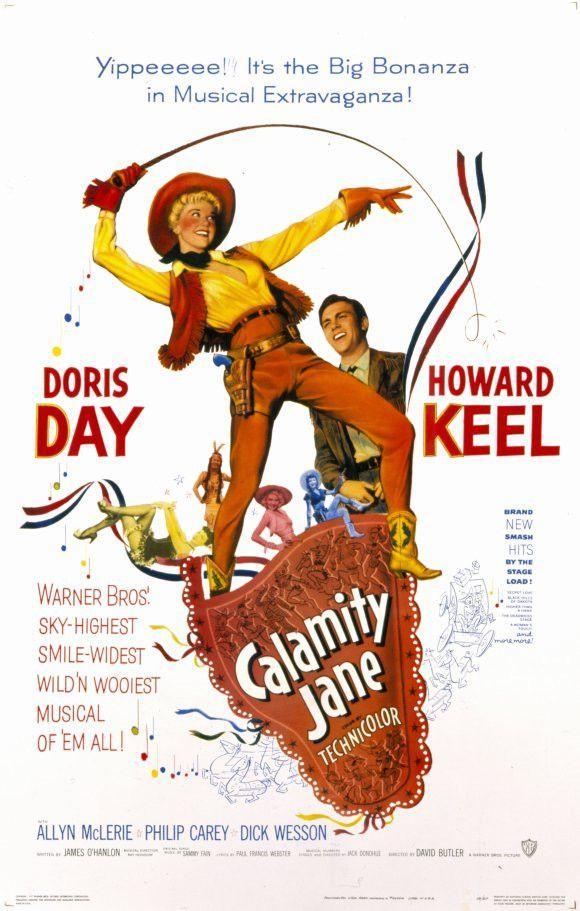 Calamity Jane(1953)
 The 27th Annual Daytime Emmy Awards(2000)as Self
 The 25th Annual Daytime Emmy Awards(1998)as Self
 Family Feud(1976)as Self
 Untamed Frontier(1967)as Self, Self - Host
 The Bob Hope Show(1950)as Self
 TV on the Edge: Moments That Shaped Our Culture(2024)as Self
 History of the Sitcom(2021)as Steve
 16th Annual Screen Actors Guild Awards(2010)as Self - In Memoriam
 Daytime's Greatest Weddings(2004)as Asa Buchanan
 Steve! (Martin): A Documentary in 2 Pieces(2024)as Self - Actor & Friend


