Vivacious, blonde Mae Clarke was exposed to cinema from an early age, her father being an organist in a motion picture cinema. Growing up in Atlantic City, New Jersey, she learned how to dance. At the tender age of 13 she was already performing in nightclubs and amateur theatricals. In 1924, she was one of "May Dawson's Dancing Girls", a New York cabaret act, where she was "discovered" by producer
Earl Lindsay and promptly cast in a minor part at the Strand Theatre on Times Square. She then performed as a
dancer and burlesque artist at the Strand Roof nightclub, situated above the theatre (which was managed by Lindsay) and at the Everglades Club, earning $40 a week. While there she struck up a lifelong friendship with fellow actress Ruby Stevens, who would later change her name to
Barbara Stanwyck.
In 1926, Clarke got her first chance in "legitimate" theater, appearing in the drama "The Noose" with Stanwyck and
Ed Wynn. This was followed by the musical comedy "Manhattan Mary" (1927). The following year (1928), at age 17, she married her first husband,
Lew Brice, brother of
Fanny Brice. After further vaudeville experience, Clarke was screen-tested by Fox and landed her first movie role in 1929. While she was top-billed in films like
Nix on Dames (1929), she was clearly headed for B-movie status and left Fox just over a year later. This resulted in better roles for her, though she was generally cast in "hard-luck" roles. She played prostitute Molly Malloy in the hugely successful
Lewis Milestone-directed
The Front Page (1931)) and, on the strength of this performance, was signed by
Carl Laemmle Jr. at Universal and cast to star in
Waterloo Bridge (1931) as a ballerina-turned-streetwalker, a part made famous by
Vivien Leigh in the sanitized MGM remake,
Waterloo Bridge (1940). Reviewer Mordaunt Hall described Clarke's complex performance as "capital" (New York Times, September 5, 1931).
Also in 1931, she had the brief and uncredited (but iconic) role for which she will always be known: the hapless girlfriend on the receiving end of a grapefruit pushed into her face by
James Cagney in
The Public Enemy (1931). She later appeared with Cagney (a close friend in real life) in still more adversarial scenes, in
Lady Killer (1933) and
Great Guy (1936). She had some feisty comedy roles in
Three Wise Girls (1931) with
Jean Harlow, and starring in
Parole Girl (1933). She was third-billed in
James Whale's
Frankenstein (1931), as Elizabeth, the title character's bride-to-be. Her best moment in the film -- one of sheer terror -- comes when she is confronted by the monster (
Boris Karloff) in her own bedroom. Sadly, Clarke's career suffered several major setbacks, beginning in 1932, from which it never fully recovered. She had a nervous breakdown in June of that year (and another in 1934), most likely caused by overwork and marital problems. This was followed by a serious car accident in March of 1933. In addition to that, her sexy screen personae became restricted by the new, strict Hollywood Production Code.
When she returned to the screen it was to be in B-pictures. She had some rewarding parts in some films for Republic, notably
The House of a Thousand Candles (1936) and the civil war romance
Hearts in Bondage (1936), with
Lew Ayres. Despite an image change from frizzy
blonde to brunette she had few opportunities to shine after 1938, except, perhaps, as heroine of the Republic serial
King of the Rocket Men (1949). By the beginning of the 1950's, she was largely reduced to doing cameos and walk-on roles, at best playing minor parts in westerns. She did, however, make several notable appearances on television, particularly on
The Loretta Young Show (1953).
Clarke, a star of Pre-Code Hollywood, fell on hard financial times towards the end of her life. After her last film appearance in
Watermelon Man (1970), she retired to the Motion Picture & Television Country House and Hospital in the Woodland Hills section of Los Angeles and devoted her remaining years to her favorite hobby: painting in the style of Swiss abstract artist
Paul Klee. She died there of cancer in 1992, aged 81.

 Insight(1960)as Millie
 Watermelon Man(1970)as Old Woman
 Thoroughly Modern Millie(1967)as Secretary
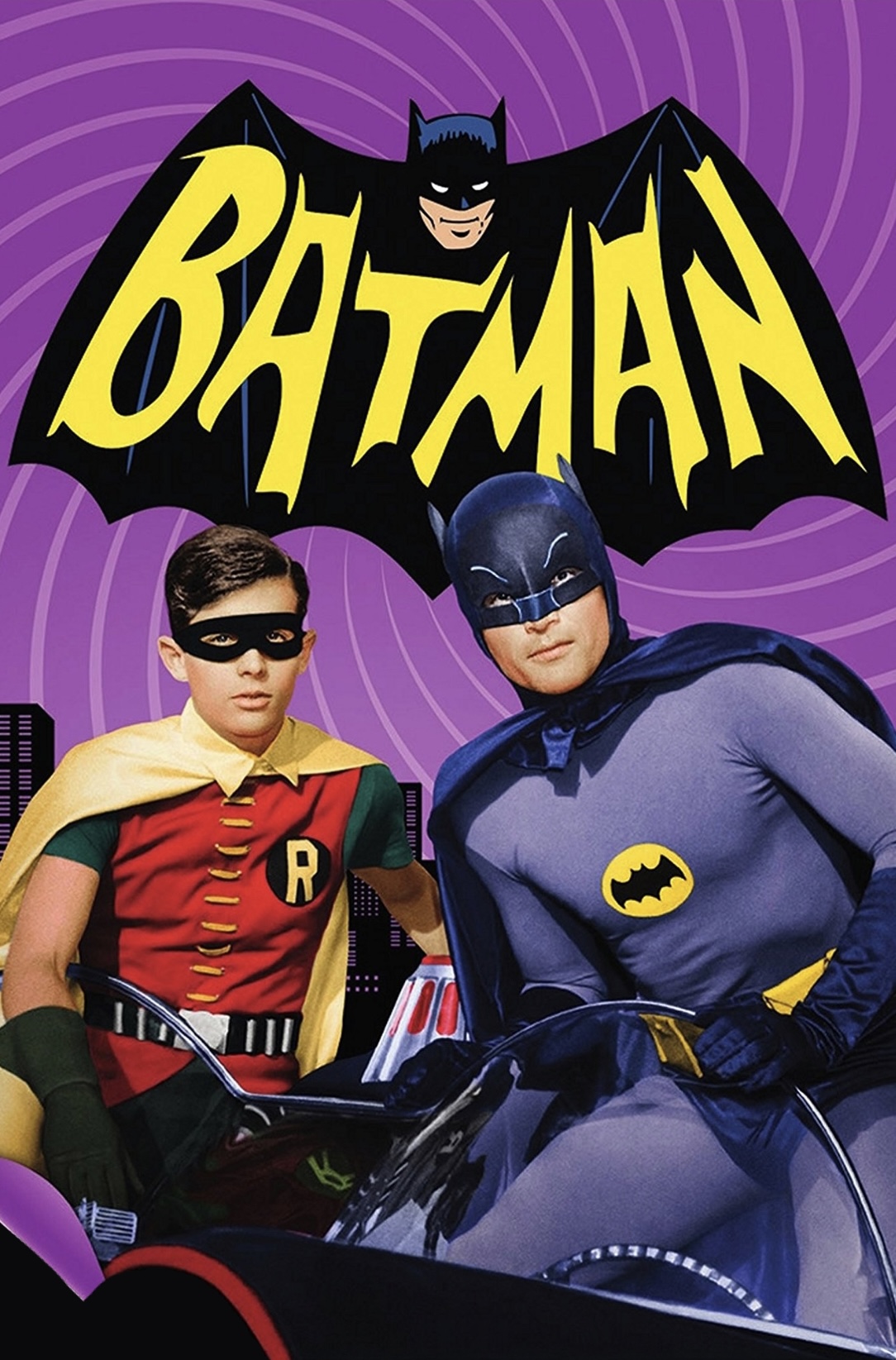 Batman(1966)as Lady
 A Big Hand for the Little Lady(1966)as Mrs. Craig
 James Cagney: Top of the World(1992)
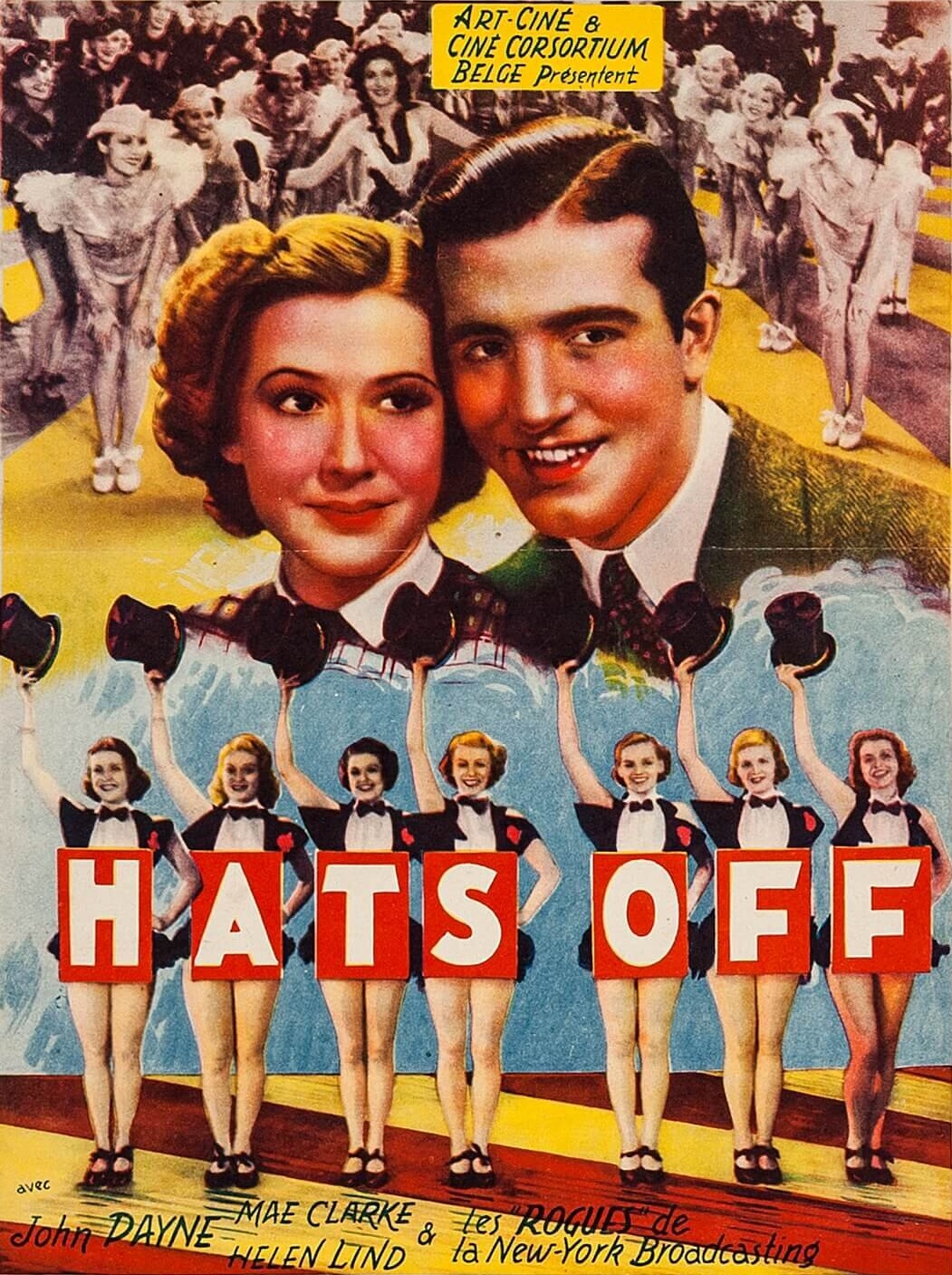 Hats Off(1936)
 The Man with Two Faces(1934)
 The Story of Hollywood(1988)as Self
 AFI Life Achievement Award(1973)as Self - Presenter
 House Party(1952)as Self - actress
 Compression(1995)as Self
 J. Edgar(2011)as Kitty in The Public Enemy
 Cinemassacre's Monster Madness(2007)as Elizabeth
 American Masters(1985)as Kitty
 The Frankenstein Files: How Hollywood Made a Monster(1999)as Elizabeth


