Diminutive Australian-born silent comic, the son of an engine driver.
Clyde Cook earned his sobriquet, 'The Kangaroo Boy', because of his
rubber-limbed elasticity. He had been on stage from the age of six,
trained as an acrobatic dancer and performed on the Tivoli circuit in
his native country, and, later, with the Folies Bergere in Paris. He
was back in Australia with
J.C. Williamson in 1916, appearing in
musical comedy and revues. Three years later, he made his American
debut in the Ziegfeld Follies on Broadway and then became the star
comic at the New York Hippodrome. Noted for his abilities as a
contortionist, he was billed as the Australian "Inja Rubber Idiot".
Within a year, he was spotted by Fox talent scouts and signed to appear
in the 'Sunshine Comedy' series.
After moving to California, Clyde developed his own unique screen
image, which included a huge paintbrush moustache (a prototype of which
he had sported since 1917) and a completely deadpan expression. Not as
distinctive in his comic style as
Charles Chaplin or
Buster Keaton, he never quite made the
first rank as a star, though he was immensely popular as a key
supporting player in two-reel comedies. In 1925, he joined
Hal Roach, where he did some of his
best work, which included the
Stan Laurel-directed
Wandering Papas (1926). In this,
he played the cook for a railroad construction crew, with
Oliver Hardy as a tough foreman. In the
late
20's, Cook appeared in Roach's 'Taxi Boys' series and, with Warner Brothers, as comic relief in several features, often opposite
Louise Fazenda.
His Australian accent proved popular enough to facilitate a smooth
transition to talking pictures. This allowed Clyde to continue his
career, albeit mainly in dramatic feature films, such as
The Docks of New York (1928),
The Taming of the Shrew (1929)
and
The Dawn Patrol (1930). He
even got to play an Australian in
The Man from Down Under (1943),
but, by then, his parts had become little more than walk-ons and bits.
He retired after his one-day effort in the
John Wayne starrer
Donovan's Reef (1963), and died
twenty-one years later, in 1984, of arteriosclerosis.

 The Misfit(1924)
 The Broncho Express(1924)
 Donovan's Reef(1963)as Australian Officer
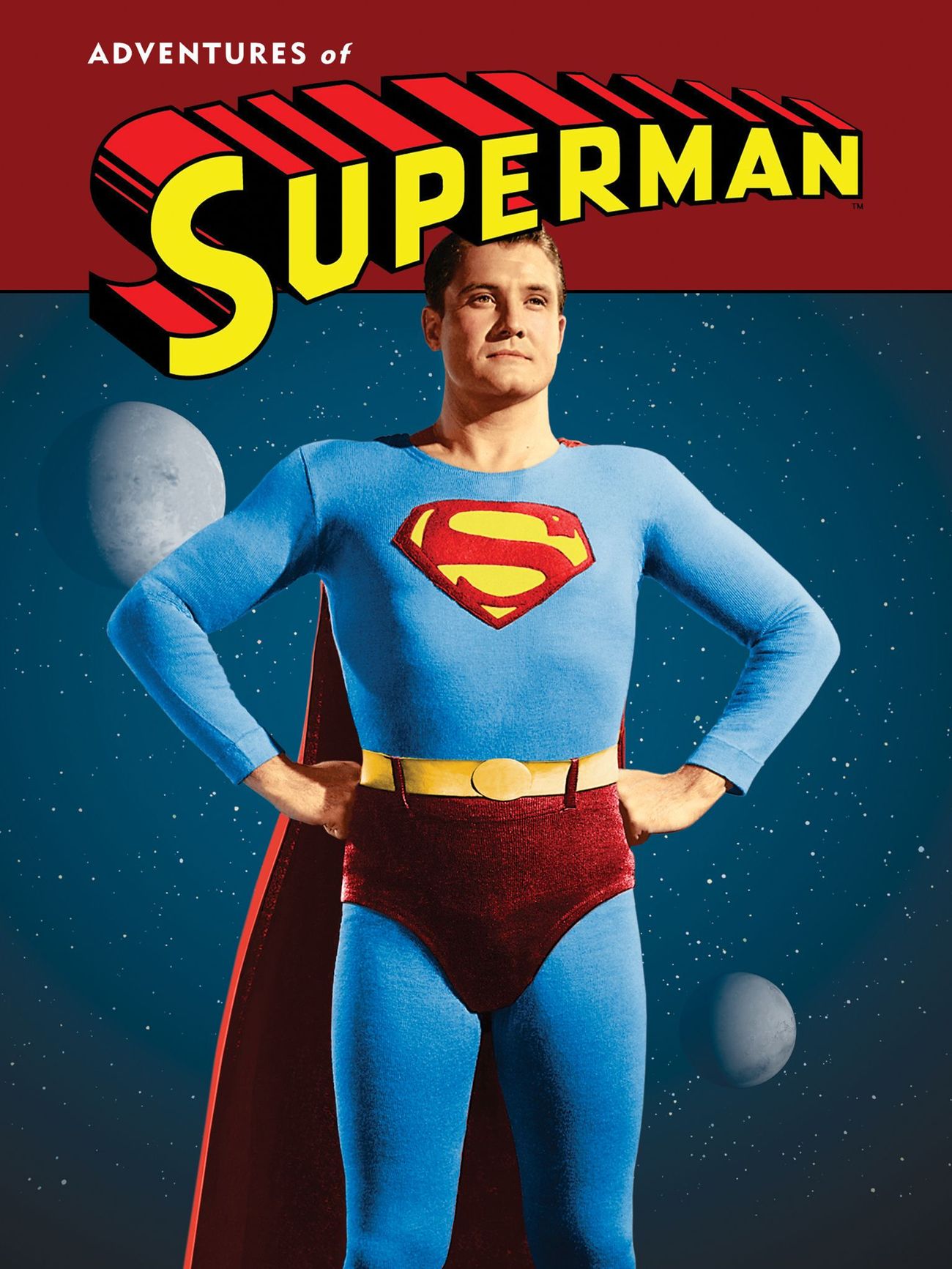 Adventures of Superman(1952)as News Vendor
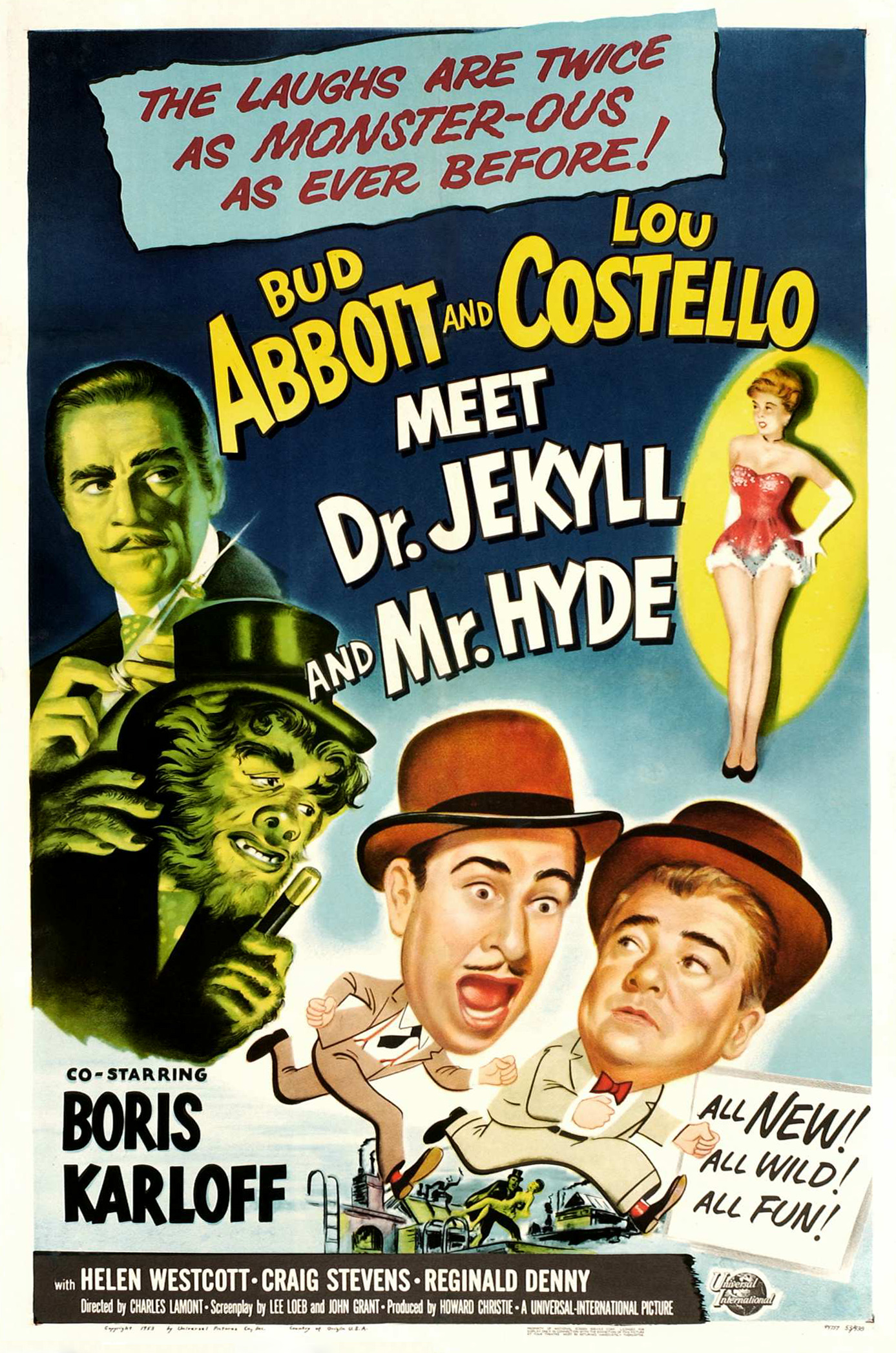 Abbott and Costello Meet Dr. Jekyll and Mr. Hyde(1953)as Drunk in Pub
 The Maze(1953)as Cab Driver
 Loose in London(1953)as English Cabbie
 Dick Turpin(1934)
 White Cargo(1942)
 Unexpected Uncle(1941)
 The March of Time(1930)as Self
 Behind the Scenes(1924)as Self
 Catalogue of Ships(2008)
 Superman and Scotland Yard(1954)as Newsvendor
 Screen Snapshots, Series 31, No. 5: Memories of Famous Hollywood Comedians(1952)


