Dorothy Jean Dandridge was born on November 9, 1922 in Cleveland, Ohio, to
Ruby Dandridge (née Ruby Jean Butler), an entertainer, and Cyril H. Dandridge, a cabinet maker and minister. Under the prodding of her mother, Dorothy and her sister
Vivian Dandridge began performing publicly, usually in black Baptist churches throughout the country. Her mother would often join her daughters on stage. As the depression worsened, Dorothy and her family picked up and moved to Los Angeles where they had hopes of finding better work, perhaps in film. Her first film was in the Marx Brothers comedy,
A Day at the Races (1937). It was only a bit part but Dandridge hoped it would blossom into something better. She only appeared in another film in 1940, in
Four Shall Die (1940).
Meanwhile, she dropped out of high school and became part of a musical trio which performed with the orchestra of
Jimmie Lunceford. During the late 30s, she dated music composer
Phil Moore, who was instrumental in launching her career as a nightclub singer and big band vocalist.
Her next few screen roles in the early 1940s tended to be small stereotypical roles of black girls or princesses - such as
Bahama Passage (1941) and
Drums of the Congo (1942), She was the singing star of the western themed all-black-cast "soundie" (short musical)
Cow-Cow Boogie (1942) and appeared in movies that showcased her talents as actress and singer, like
Hit Parade of 1943 (1943) as the vocalist of Count Basie's Band, and twice as the vocalist of
Louis Armstrong's Band in
Pillow to Post (1945) and
Atlantic City (1944).
Those brought her headline acts in the nation's finest hotel nightclubs in New York, Miami, Chicago and Las Vegas. She may have been allowed to sing in these fine hotels but, because of racism, she couldn't have a room in any of them. It was reported that one hotel drained its swimming pool to keep her from enjoying that amenity.
In 1954, she appeared in the all-black production of
Carmen Jones (1954) in the title role. She was so superb in that picture that she garnered an Academy Award nomination but lost to
Grace Kelly in
The Country Girl (1954). She did not get another movie role until
Tamango (1958), an Italian film. She did six more films, including, most notably,
Island in the Sun (1957) and
Porgy and Bess (1959). The last movie in which she would ever appear was
The Murder Men (1962) (1961).
Dandridge faded quickly after that, due to an ill-considered marriage to
Jack Dennison (her first husband was
Harold Nicholas), poor investments, financial woes, and alcoholism.
She was found dead in her apartment at 8495 Fountain Avenue, West Hollywood, on September 8, 1965, aged 42, from barbiturate poisoning. She left $2.14 in her bank account, and a handwritten letter: "In case of my death - whoever discovers it - Don't remove anything I have on - scarf, gown, or underwear. Cremate me right away - if I have any money, furniture, give it to my mother,
Ruby Dandridge - She will know what to do.". She was cremated and her ashes were interred in the Freedom Mausoleum at Forest Lawn Memorial Park in Glendale, California.
She was posthumously awarded a Star on the Hollywood Walk of Fame at 6719 Hollywood Blvd. on January 18, 1983.

 Cain's Hundred(1961)as Norma Sherman
 The Ed Sullivan Show(1948)as Singer
 Moment of Danger(1960)as Gianna
 Porgy and Bess(1959)as Bess
 The Decks Ran Red(1958)as Mahia
 Pretty Dudes(2016)
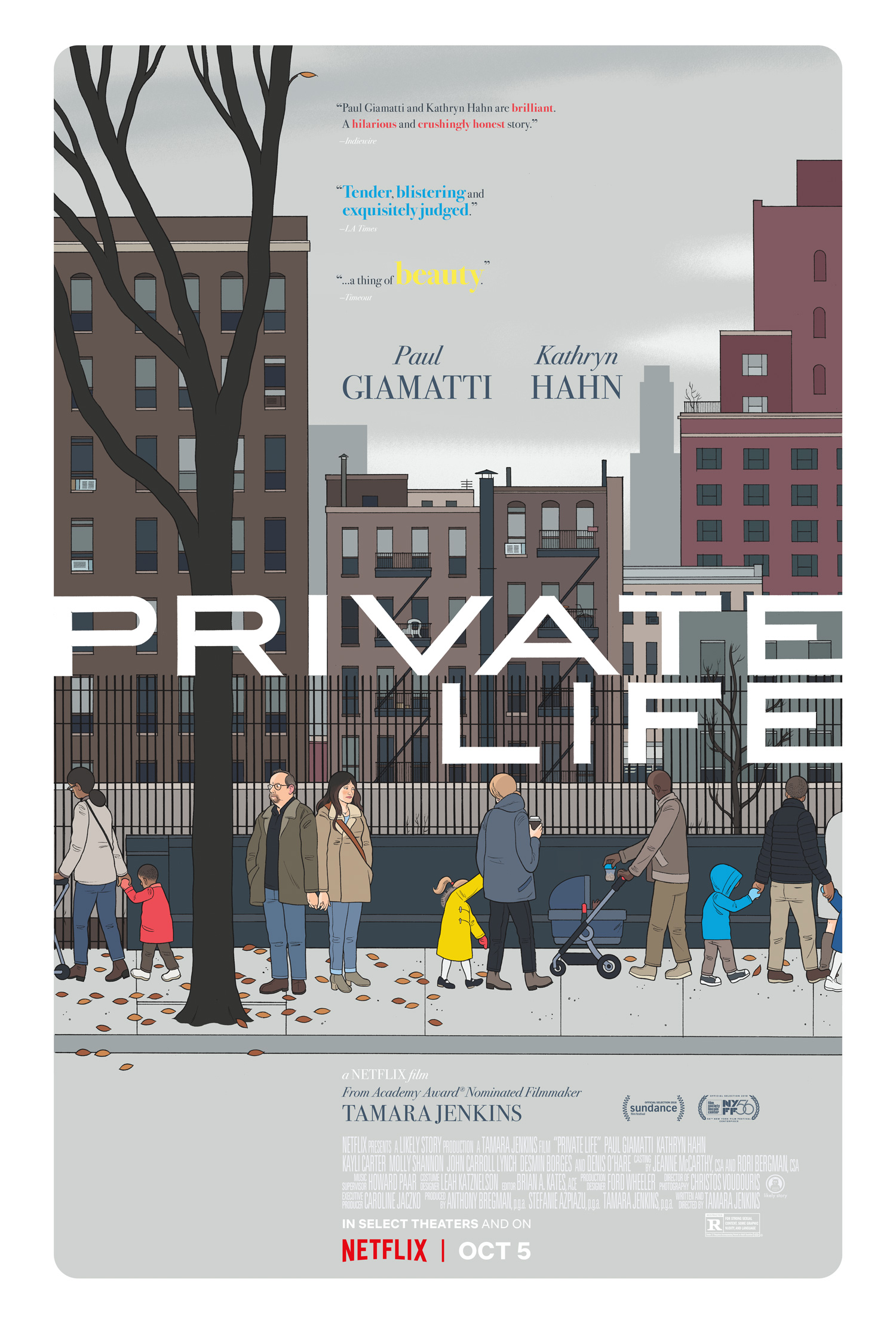 Private Life(2018)
 Sing Your Song(2011)
 Myra Breckinridge(1970)
 Pinky and Perky(1957)
 That Regis Philbin Show(1964)as Self
 Open House(1964)as Self
 Juke Box Jury(1959)as Self - Panellist
 Freedom Spectacular(1964)as Self
 You Don't Say(1963)as Self
 Flight of the Bumblebee(2025)as Self
 Number One on the Call Sheet(2025)as Self
 See It Loud: The History of Black Television(2023)as Self
 Worn Stories(2021)as Self - Singer


