Actor-turned-director Robert Drivas showed dark, brooding power and
strong potential on the 60s stage, film and TV but, in the long run,
did not achieve the kind of success he deserved. Born on November 21,
1935, the Coral Gables, Florida native initially studied his craft at the
Universities of Chicago and Miami. He also trained at the Greek
Playhouse in Athens and the Coconut Grove Playhouse in Miami. Making a potent
New York debut as Ramses in the play "The Firstborn" (1958) starring
Anthony Quayle as Moses and producer
Katharine Cornell in the role of
Bithiah, Drivas continued to be impressive on stage with "One More
River" (1960), "The Wall" (1960), "The Irregular Verb to Love" (1963),
"And Things That Go Bump in the Night" (1965) and "Where Has Tommy
Flowers Gone?" (1971). In 1963 he won a Theatre World Award for his
performance in "Mrs. Dally Has a Lover" alongside another TWA winner
Estelle Parsons.
The attention he received on the theater boards eventually led to TV.
Drivas showed great intensity and lasting power in episodic guest parts
on such 60s crime shows as
N.Y.P.D. (1967) and
The Defenders (1961), and was a
popular and frequent guest on
The F.B.I. (1965). He also
appeared as a guest star in episodes of
Route 66 (1960) and
12 O'Clock High (1964). His first film
appearance was long in coming but drew noticeable attention with the
featured role of Loudmouth Steve in the classic prison drama,
Cool Hand Luke (1967).
This auspicious debut led to a couple of "generation gap" movies in
which he was bumped up to co-star billing. Sharing the screen with
Rod Steiger and
Claire Bloom in the controversial
LSD-influenced
The Illustrated Man (1969),
Drivas was intoxicating in his role but the film itself was deemed too
"far out" and was considered a failure. Drivas was also quite
impressive as the ultra-cool but idealistic son of
David Janssen in
Where It's At (1969). Again, the
film was dismissed and Drivas did not advance. He went on to make only
four more movies, all independent and/or foreign-made features and all
overlooked.
Drivas turned successfully to stage directing in the 1970s, which
included a number of Broadway projects. He gained progressive respect
with his directing of such plays as "Bad Habits," for which he won an
Obie award, the uproarious farce "The Ritz," "Legend," "Cheaters," "It
Had to Be You," which starred the writing husband-and-wife team of
Joseph Bologna and
Renée Taylor, a revival of the
musical "Little Me," and, his last, "Peg" in 1983 a short-lived
reenactment of the life of songstress
Peggy Lee with lyrics and book by the
star herself. A few years later Drivas tragically died of AIDS-related
cancer at the age of 50.

 Angie(1979)
 Stockard Channing in Just Friends(1979)
 Camera Three(1954)as Antony
 La fille d'Amérique(1977)as Matthew
 God Told Me To(1976)as David Morten
 Cannon(1971)as Andreas Narak
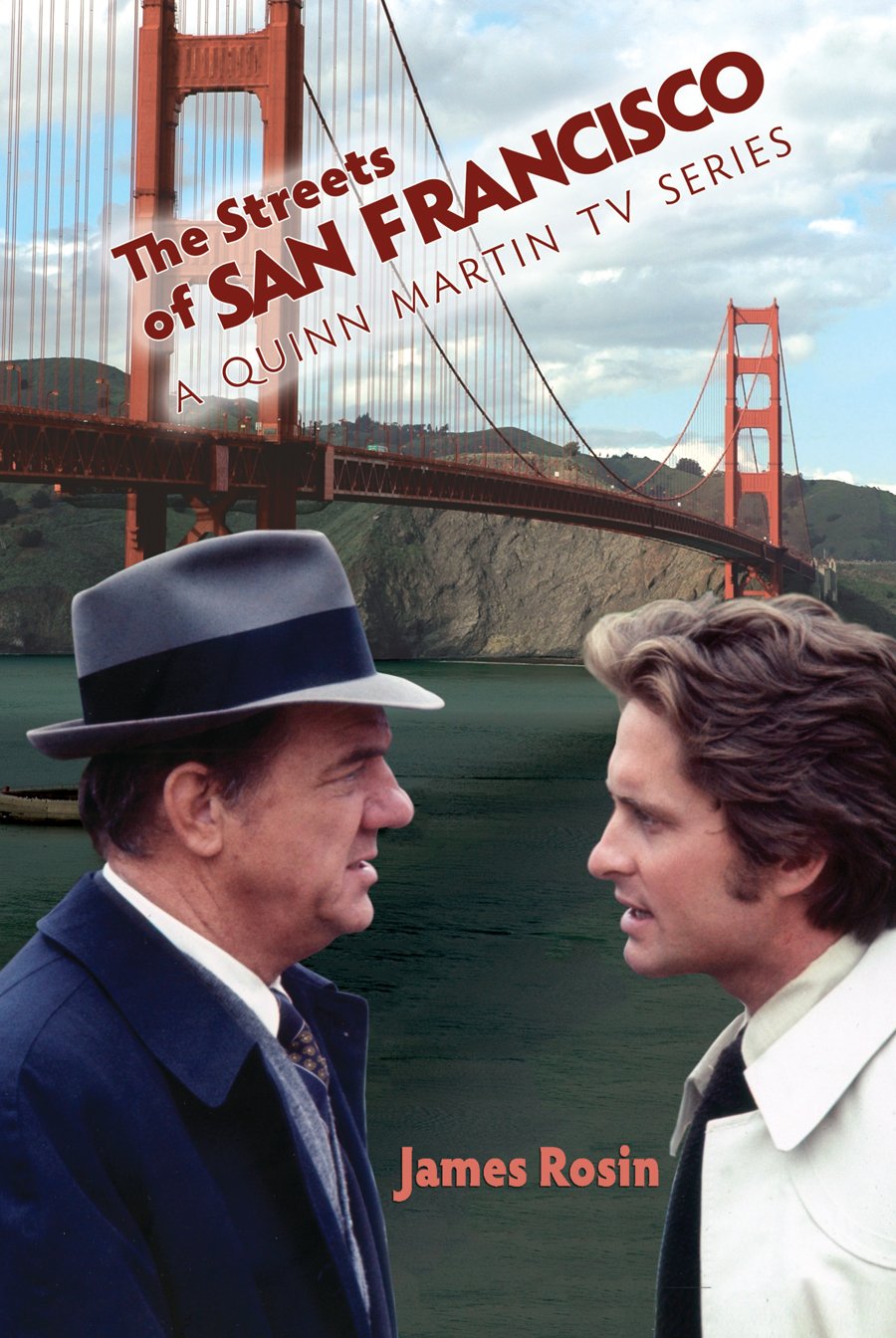 The Streets of San Francisco(1972)as Danny Segal, Frank Graves
 VD Blues(1972)as Syphilis (segment: Play for Germs)
 Hawaii Five-O(1968)as Chris Vashon
 Cosa Nostra, Arch Enemy of the FBI(1967)as Paul Clamenti


