Rocío Durcal, was born María de los Angeles de las Heras Ortíz, in
Madrid, Spain on October 4th, 1945. At the age of 10, she took part in
the radio show, 'Conozca a sus Vecinos' ('Meet Your Neighbours'). In
these shows, Marietta (her familiar nickname, pronounced Mar-ee-etta)
charmed the audience with her clear and melodic voice that also made
her a winner in many other radio contests that she participated in
those years.
In 1960, when she not yet 15, she appeared in the TV show 'Primer
Aplauso' ('First Applause') where a Spanish movie producer discovered
her. She took the stage name Rocío Durcal (Rocío is a popular girls'
name in Spain, after the place of pilgrimage where 'La Romeria' - an
annual festival of worship to the Virgin Mary - is held, and Durcal is
a town in the province of Andalucia in southern Spain). Her first movie
was 'Canción de Juventud' ('Song of Youth') in 1961, the first of many
musical comedies she was to star in and that would gain her fame in
Spain, Portugal, France and Latin America.
At this time many other young singer-actors in Spanish films were
popular, including Raphael, Marisol, Ana Belén, Joselito, the Dúo
Dinámico, Miguel Ríos, and the twin sisters, Pili and Mili. Other films
included 'Rocío de La Mancha', 'La Chica del Trébol', 'Tengo 17 Años',
'Más Bonita que Ninguna', 'Acompáñame', 'Amor en el Aire', 'Cristina
Guzmán', 'Las Leandras' and 'La Novicia Rebelde'.
In 1970, Rocío married the Philippine singer and composer, Antonio
Morales , better known as Júnior, a former member of the pop group, Los
Brincos (considered at the time as the Spanish version of The Beatles).
Their marriage proved one of the more solid marriages in the world of
show business and they had three children: Carmen María (born in 1971),
Antonio (born in 1974) and Shaila (born in 1980), and one grandson,
Christian (born in 1997, the son of Carmen María).
In 1975, Rocío retired from movies to dedicate herself to her family
but returned to show business two years later when she recorded the
first of many records of material written by the Mexican
singer-composer, Juan Gabriel. Backed by the Mexican band, Mariachi
América, these resulted in unexpected hits, popularity and awards, not
only in Spain and Mexico, but also in Latin America and in the Hispanic
community of the United States.
Rocío Durcal (ironically, being Spanish) revitalised the Mexican music
scene in the 1970s and 80s and became even better known as a singer of
'rancheras' (traditional Mexican song) in her later years than she had
been as an actress at the start of her career.
With thousands of fans worldwide and records sales in their millions,
this Madrid-born lady was, undoubtedly, one of the brightest stars of
Spanish language show business.
In 2001, Rocio Durcal was diagnosed with cancer of the uterus that
unfortunately was later found to have spread to her lung and brain.
Despite extensive treatment, Rocio died on 25 March 2006 in
Torrelodones, Madrid, Spain.

 Los negocios de mamá(1997)as Ana
 Me siento extraña(1977)as Laura
 Mujeres insólitas(1977)as Cleopatra
 The Messiah(2023)
 Drag Race España(2021)
 Miszmasz czyli Kogel Mogel 3(2019)
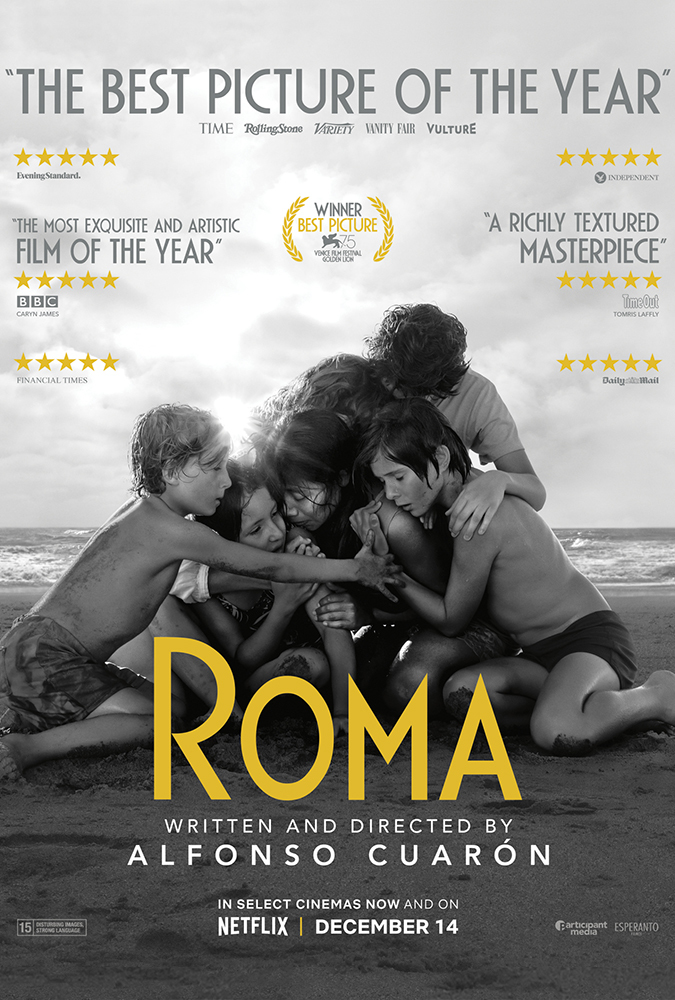 Roma(2018)
 Banda sonora(2007)
 Manny Santana - Tu Amigo y Tu Pana Icono de la comunicación(2021)
 Corazón de...(1997)as Self
 La tierra de las 1000 músicas(2005)as Self
 Cada día(2004)as Self - Guest
 Juan Gabriel: I Must, I Can, I Will(2025)
 Mucha mierda(2024)as Self
 Mujeres sin censura(2022)as Self
 Hormigas blancas(2007)as Self
 Lazos de sangre(2018)as Self


