Edward Elgar was born on June 2, 1857, in Broadheath, near Worcester,
where his father named William Elgar, was a music shop owner and a
piano technician. Elgar was the fourth of six children. He was
self-taught in all musical instruments, that were at his disposal in
his father's shop, and he studied all the sheet music available in the
shop.
Unrestricted by rules of "teaching", he remained highly original in
developing his unique musical personality, that allowed him to surpass
the other leading composers of his time. But having no teachers who
would connect him into the entrenched musical establishment, it took
all his genius, persistence and determination to advance through the
rigid class structure of Victorian society. In 1889 Elgar married his
student, Alice Roberts, daughter of the late General Sir Henry Roberts.
She married beneath herself in opposition to her relatives. Alice
played a vital role in Elgar's career by keeping a dogged faith in his
genius.
Elgar was 42 when his "Enigma Variations" (1899) was premiered in
London and brought him the first big success outside of his native
Worcester. The performance of "The Dream of Gerontius" (1900) at the
Rhine Festival in Dusseldorf earned him highest praise from
Richard Strauss,
who considered Elgar as the first English progressive musician.
The Coronation Ode "Land of Hope and Glory" came from his first "Pomp
and Circumstance March" in D major (1901). Elgar prophesied: "I've got
a tune that will knock'em-knock'em flat!... a tune like that comes once
in a lifetime..." This piece became extremely popular and was later
used in more than 30 films. In 1904 an all-Elgar festival was held at
Covent Garden. In July of 1904, Elgar was knighted by King Edward VII.
Spending the winter of 1907-08 in Italy, Elgar composed the "Symphony
No 1" in A flat. In just one year it had 100 performances all over
Europe and in America, Australia and Russia, and was compared to the
symphonies of
Ludwig van Beethoven. The "Symphony No 2" in E flat was written during
1909-1911. It was dedicated to the memory of King Edward VII and was
considered by many the greatest of Elgar's symphonic works.
Elgar's incidental music for a children's play "The Starlight Express"
(1915) and his patriotic "The Spirit of England" (1917) on the war
poems by Laurence Binyon preceded his last great masterpiece, the
elegiac "Cello Concerto" in E minor (1919). It was used as a main theme
in
Hilary and Jackie (1998).
The death of Alice Elgar in 1920 took away much of Elgar's inspiration
and will to write music. He made a series of studio recordings of his
works for HMV. In 1928 he was created Knight Commander of the Victorian
Order (K.C.V.O.). In 1933 he recorded his "Violin Concerto" in B minor
with then young
Yehudi Menuhin and a few weeks later both flew to Paris for
performances of this concerto. Elgar died on February 23, 1934 and was
laid to rest beside his wife.


 The Choral(2025)
 Glimpses of a Future(2021)
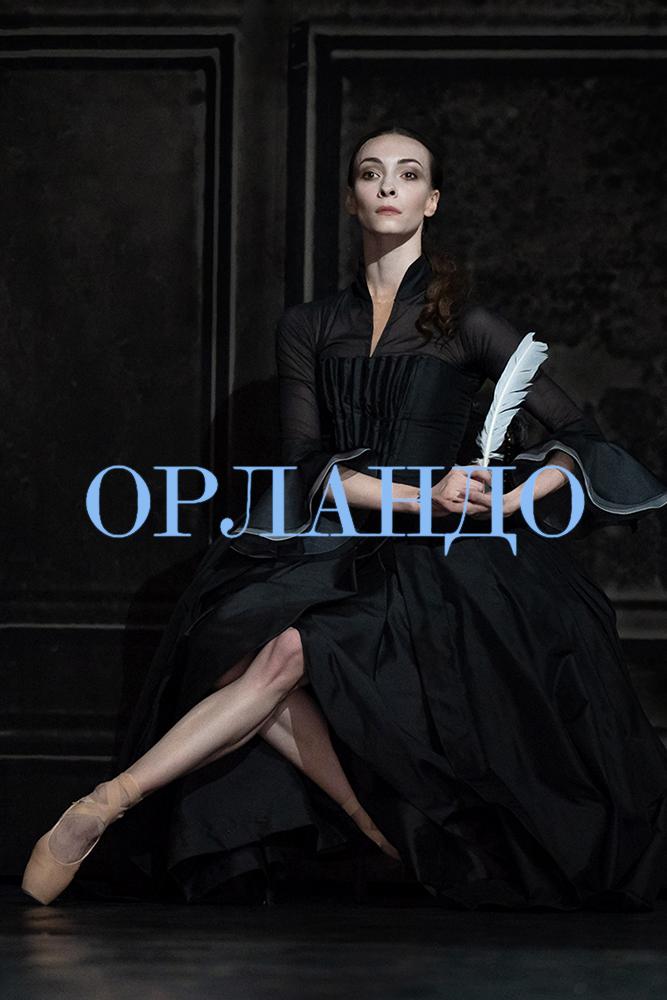 Orlando(2021)
 Stranger Things(2016)
 Reconnoitre(2025)
 Emmy the Robot(2024)
 Ladies in Black(2024)
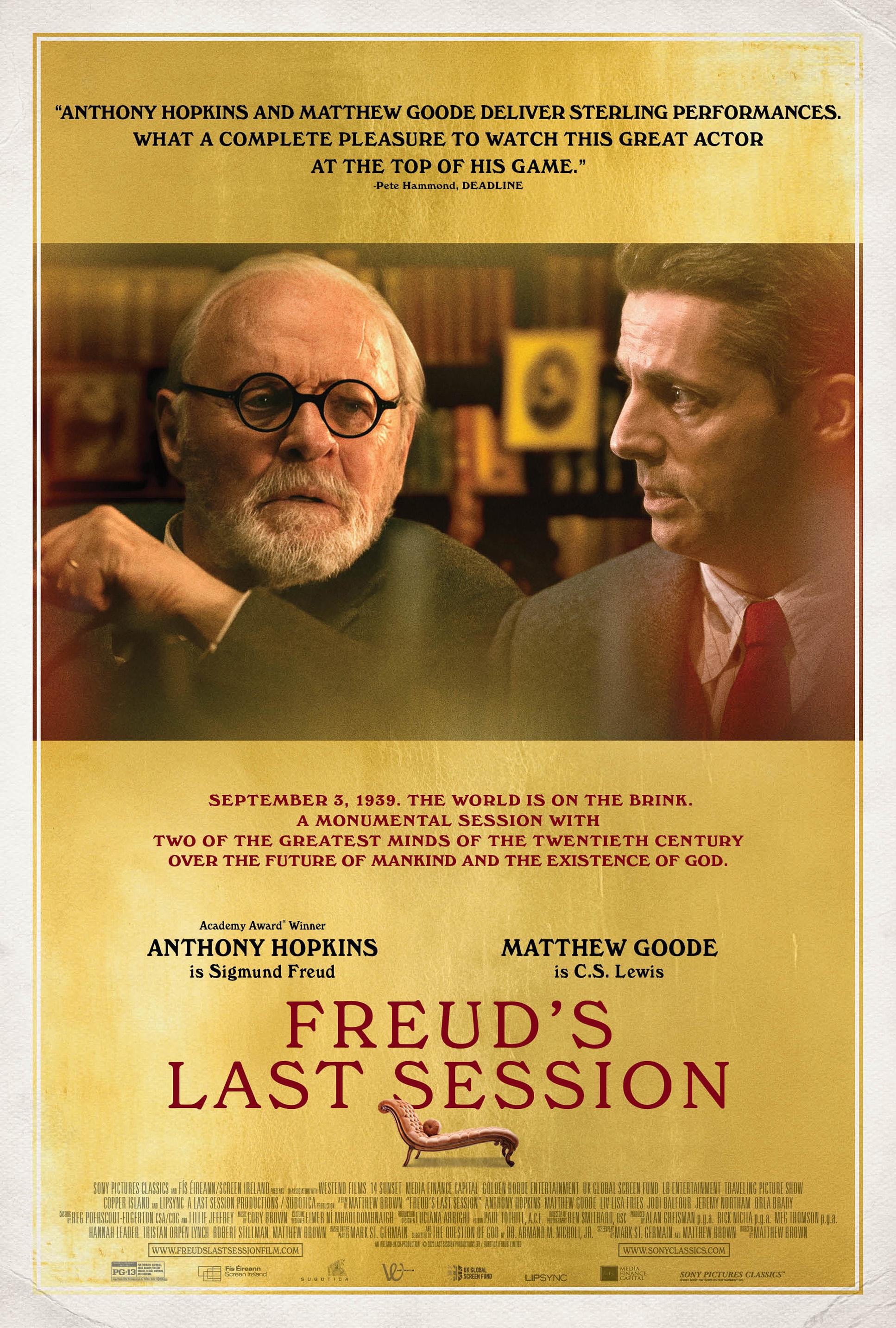 Freud's Last Session(2023)
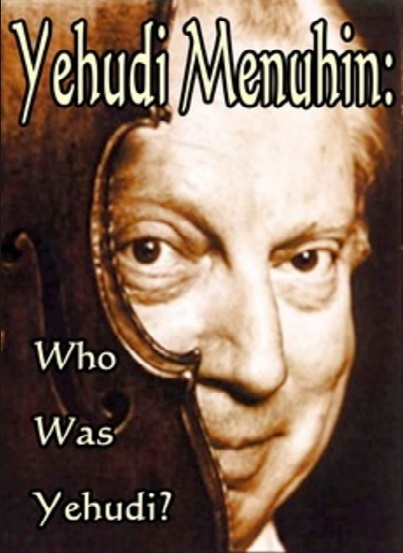 Yehudi Menuhin: Who Was Yehudi?(2016)as Self
 The Road to War(1989)as Self
 Omnibus(1967)as Self
 End of Empire(1985)as Self
 Plunder(1965)as Self