Bill Evans was born on August 16, 1929 in Plainfield, New Jersey. His
father was of Welsh descent, his mother was of Russian Orthodox
background. His mother was an amateur pianist and gave Evans his first
piano lessons at home as well as at her church. At the age of 6 he
started classical piano training and later added flute and violin. At
12 he was able to fill in for his elder brother in Buddy Valentino's
Jazz band. During the end of WWII and after the war, Evans played piano
gigs in New York clubs. He graduated from Southeastern Louisiana
University as a pianist in 1950, and later went to the Mannes College
of Music, where he studied composition.
Bill Evans was hired by
Miles Davis
in 1958, as the only white musician in the all-star Miles Davis Sextet.
It was a mutually beneficial collaboration and their album "Kind of
Blue" is now one of the most referred to in Jazz. Their creative work
is documented in The Miles Davis Story (2001). In 1959 Evans started
his own trio with bassist Scott LaFaro and drummer
Paul Motian which became one of the most
acclaimed trios. Four albums recorded by that trio in 1959-61 are Jazz
classics. Evans' innovative "Conversations with myself" won him his
first Grammy award in 1963. He recorded several albums with trios, of
which a nice trio gig at the 1968 Montreux Jazz Festival with
Eddie Gomez and
Jack DeJohnette won a Grammy. His
lyrical piano solo album "Alone" won him another Grammy in 1968.
Bill Evans' legacy includes over a hundred recorded albums and concert
performances. In his improvisations Evans shines as a brilliant
inventor, as well as remarkable timekeeper and polyrhythmic player. On
records he plays with authoritative presence, marked with refined
nuances and accentuations. His mastery of impressionistic voicings
comes with supreme clarity and with definitive phrasing in many of his
deliciously intertwined counterpoint lines. Evans makes the right
balance in various settings; solo, in a duo, in a trio, in a small
ensemble, and with a big band. His original style stands on the solid
foundation of classical heritage from
Sergei Rachmaninoff,
Maurice Ravel and
Claude Debussy, to
Erik Satie,
Sergei Prokofiev and
Igor Stravinsky, as he ingeniously
included tiny bits of themes from these and other composers in his own
improvisations.
Bill Evans' influence on modern music is growing as more musicians
absorb his original ideas and study his music scores. The leading
classical musicians, like
Jean-Yves Thibaudet include
compositions and arrangements by Bill Evans in their repertoire.
Evans's inventive harmonization of all-so-familiar songs makes them
sound fresh and tasty. His two recordings with
Tony Bennett in 1975-77 are among
the finest achievements of artistic interplay between singer and
pianist, where two partners are improvising and stimulating each
other's creativity and imagination. Musicians who played and recorded
with Bill Evans often recognized him as the one who made the
difference. His last trio recordings with the young
Joe LaBarbera and Marc Johnson
revealed even more of his unending creative and improvisational
freedom.
He suffered from a drug addiction since his stint with the
Miles Davis sextet in 1950s. He also
suffered from hepatitis and had a perforated ulcer of the stomach. He
died on September 15, 1980 in New York. Bill Evans is now considered
one of the most influential pianists in the history of Jazz.

 Neon Nights(2014)
 Satori Uso(2007)
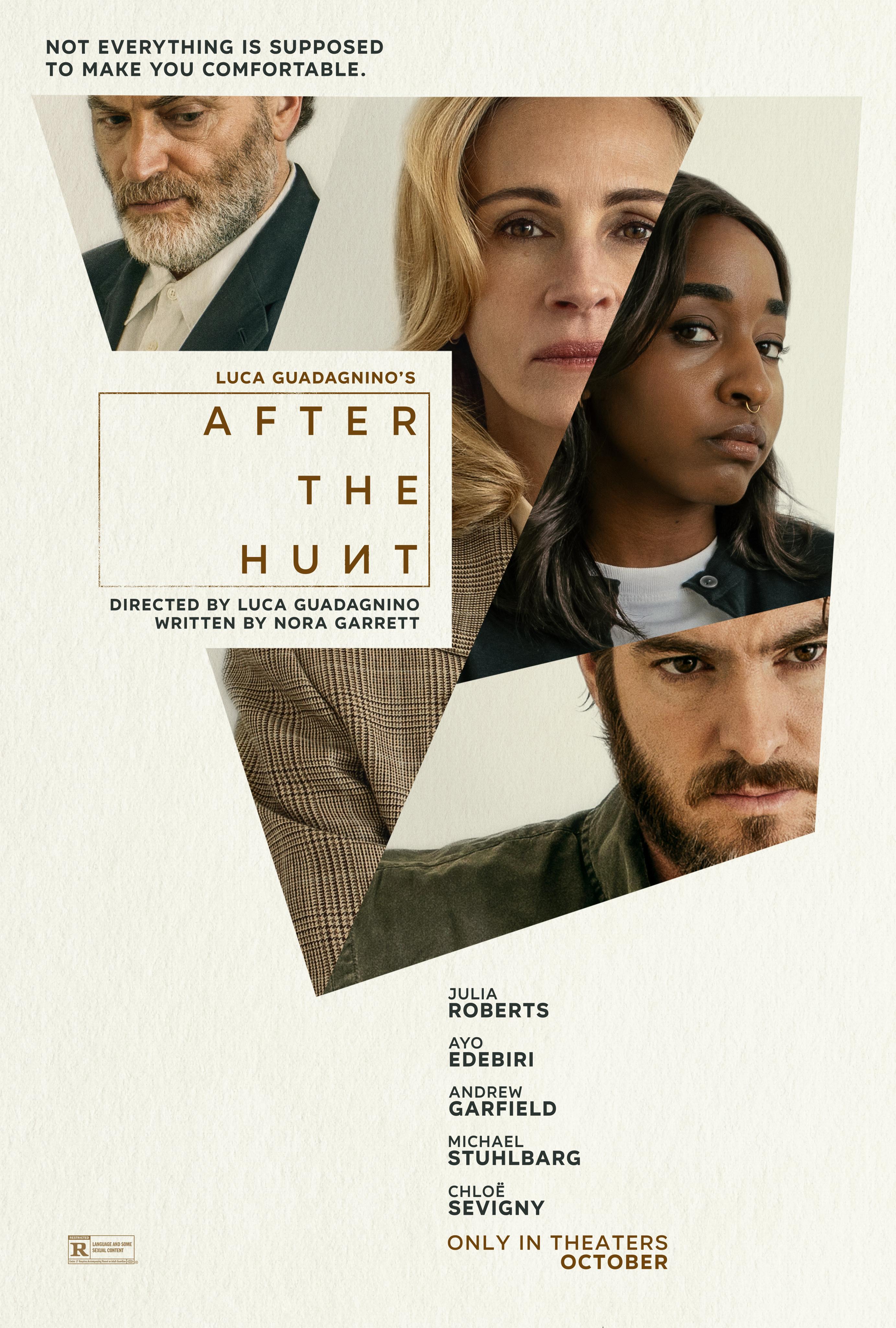 After the Hunt(2025)
 Materialists(2025)
 Teenage Mutant Ninja Turtles: Chrome Alone 2 - Lost in New Jersey(2025)
 What's the Deal with Gavin Phillips?(2024)
 Magic Mike's Last Dance(2023)
 Bill Evans Trio: The Oslo Concerts(2007)as Self
 Jim Hall: A Life in Progress(1998)as Self
 A Tribute to Bill Evans(1991)as Self
 The Merv Griffin Show(1962)as Self - Jazz pianist-composer
 The Mike Douglas Show(1961)as Self - Jazz Pianist
 Io sono Tony Scott, ovvero come l'Italia fece fuori il più grande clarinettista del jazz(2010)as Self
 American Masters(1985)as Self
 Monicas allra bästa(2003)as Self
 The Miles Davis Story(2001)
 Grâce à la musique(1979)as Self, Pianiste