A curvaceous and comely lead and second lead actress of the 1950s and
1960s, Dianne Foster was born Olga Helen Laruska on October 31, 1928 in Edmonton, Alberta, Canada. Of
Ukrainian parentage, she began her stage career performing in high
school plays and in local community theater productions. Her school
drama teacher saw extreme promise in her and encouraged her to continue
her studies. Dianne then enrolled at the University of Alberta and
majored in drama.
She eventually found work in Toronto as a model and as both a radio and
stage actress. Encouraged again by her high school teacher, she saved
up enough money to go to England for further training and to find work.
She won a stage role in the play "The Hollow" starring
Jeanne De Casalis that later toured.
Following a radio job with
Orson Welles,
he offered her the part of Cassio's whore in a West End
production of "Othello" while
Laurence Olivier was holding court at
the St James Theater. Welles and
Peter Finch starred as Othello and
Iago, respectively, with Olivier in the director's seat.
After establishing herself as a bad girl second lead in such "B"
level British films as
The Quiet Woman (1951), in which
she played a scheming ex-girlfriend of
Derek Bond and
The Big Frame (1952) as a
temptress opposite
Mark Stevens,
Dianne was encouraged to come to Hollywood in the early
1950's. Her first role in Hollywood was as a British character in a TV episode of "Four Star Playhouse" opposite David Niven.
As a result of her fine performance,
Harry Cohn
placed her under a Columbia Pictures contract even though she had not yet
secured an agent. Most of her subsequent films were standard adventures
in which she provided a pleasant diversion from the rugged action going
on around her. She was, on occasion, cast in more substantial roles.
Dianne made a sturdy US cinematic debut in the film noir favorite
Bad for Each Other (1953) as a
dedicated nurse and love interest to Dr. Tom Owen
Charlton Heston. It was
Lizabeth Scott who played the bad girl
here. Dianne would make a strong stand in westerns notably opposite
Dana Andrews in
Three Hours to Kill (1954),
Glenn Ford and
Edward G. Robinson in
The Violent Men (1955) and
James Stewart and
Audie Murphy in
Night Passage (1957).
She was also quite
good, if not better, as
Richard Conte's wife in
The Brothers Rico (1957) as
they struggle together to distance him from his mob ties. Dianne returned to England, where she appeared in
Uncle Willie's Bicycle Shop (1953),
as a snooty American heiress out to impress
Robert Urquhart, and, briefly, in
Gideon of Scotland Yard (1958) as
Ronald Howard's wife who threatens
Jack Hawkins' title character. Her
last two films of the 1950s were opposite
Alan Ladd in
The Deep Six (1958) and
Spencer Tracy in
The Last Hurrah (1958).
In the 1960s Dianne moved into episodic TV with guest parts in dramas
(
Perry Mason (1957),
Route 66 (1960),
Peter Gunn (1958),
Ben Casey (1961),
Hawaiian Eye (1959),
The Detectives (1959),
Honey West (1965)), comedies
(
Petticoat Junction (1963),
My Three Sons (1960), "Green
Acres") and, of course, westerns
(
Bonanza (1959),
The Deputy (1959), "Have Gun--Will
Travel",
Laramie (1959),
Wagon Train (1957),
Gunsmoke (1955),
The Big Valley (1965)). She
appeared in only two more films before retiring in 1967 -- co-starring
with
David Janssen in
King of the Roaring 20's: The Story of Arnold Rothstein (1961)
and with
Dean Martin and
Elizabeth Montgomery in the
light comedy
Who's Been Sleeping in My Bed? (1963).
Married twice, Dianne had one child from her first marriage and twins
from her second. She retired in order to focus on marriage and
family, as well as painting.
She lived in the Los Angeles area for the remainder of her life, dying on July 27, 2019, at the age of 90.

 The Wild Wild West(1965)as Amanda Vautrain
 Green Acres(1965)as Amy Collins
 The Big Valley(1965)as Therese Marvin
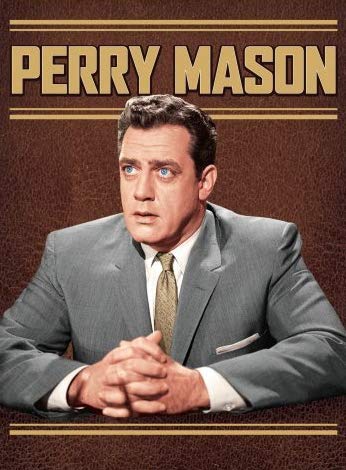 Perry Mason(1957)as Elaine Meacham, Linda Blakely, Lori Richards, Nelly Lawton
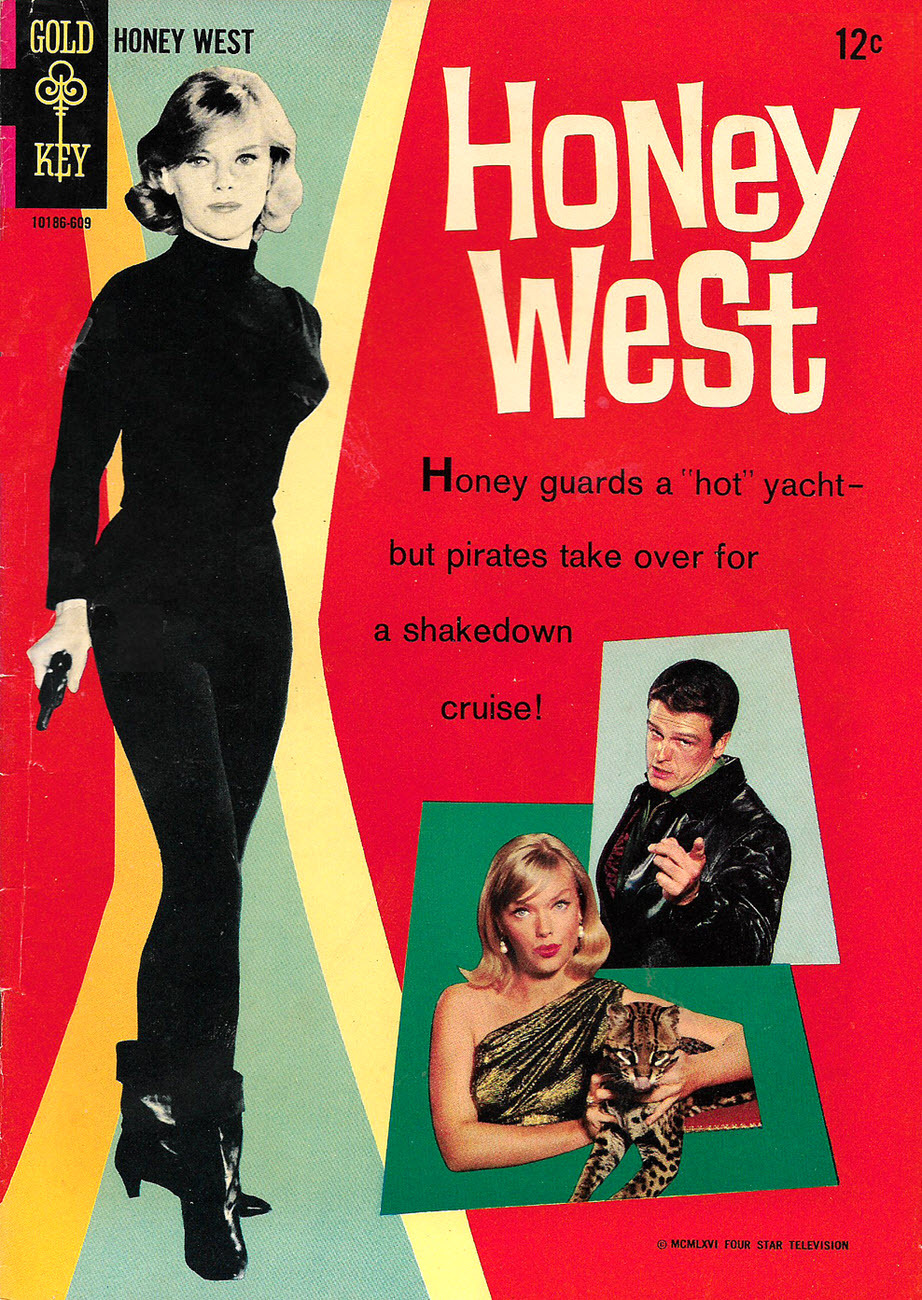 Honey West(1965)as Maggie Lynch
 Here's Hollywood(1960)as Self - Guest
 The Ed Sullivan Show(1948)as Self
 Lux Video Theatre(1950)as Self - Intermission Guest
 Remembering 2019: In Memoriam(2019)as Self - Actress


