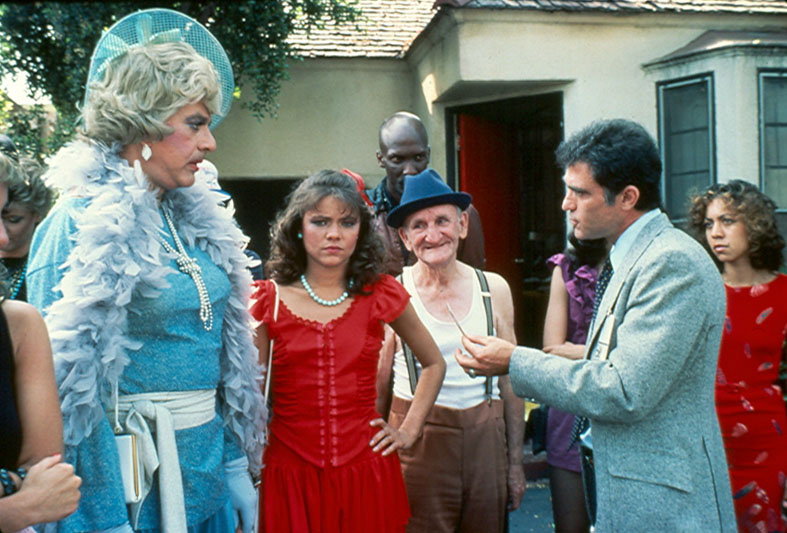
Queens-born actor Cliff Gorman, who peaked on stage and in film in the
1970s, was of solid New York stock and well-represented his city
throughout his acting career. Short statured, with a set chin, eyes
slightly askew, and dark, ethnic looks, his working-class characters
reeked of New York realism. Career-wise, it gave Gorman an
unsympathetic veneer, taking keen advantage of it especially on the
award-winning stage and in a handful of strong film/TV roles. His
versatility was obvious -- he was often cast to strut about as a smug
and smarmy ladies' man; or berate club patrons as a lewd,
below-the-belt entertainer; or portray corrupt cops known for playing
by their own rules. Gorman blended easily into the seamy atmosphere of
New York's underbelly anywhere and anytime. Known for adding an
exciting, dangerous quality to the characters he imbued, it made him
fascinating, at the very least, even when the storyline itself wasn't.
Even his unflinching anti-heroes were hard to take at times due to
their open callousness.
Born on October 13, 1936, Gorman attended both the University of Mexico
and UCLA during the mid-1950s, but received his B.S. in education in
1959 from New York University. The acting bug caught up with him early
into the next decade. The first production that merited any critical
attention was the 1965 off-Broadway drama "Hogan's Goat" with the also
up-and-coming
Faye Dunaway. A one-time
member of
Jerome Robbins American Theatre
Laboratory, Gorman really turned heads in a decidedly atypical role --
that of the arrogant, sharp-tongued, super flamboyant Emory in the 1968
gay counterculture dramedy "The Boys in the Band". Along with this
attention came a well-deserved Obie Award. The ensemble play, which was
the first to focus exclusively on gay characters, maintained a
superlative mixture of pathos, bathos, caustic humor and witty double
entendres. The show also was ground-breaking in that it presented
homosexuals as realistic, three-dimensional characters and not merely
sideshow objects of humor and/or ridicule. Author
Mart Crowley smartly transitioned his play
to film and kept his talented theater ensemble intact, some having
never appeared in films before. In turn, director
William Friedkin's
The Boys in the Band (1970)
became a milestone in movie-making, an instant cult classic that is
today viewed as the fore-daddy of gay cinema.
In 1972, Gorman became the toast of Broadway when he dissolved into the
depressing world of comedy. His stark, searing, no-holds-barred
portrayal of manic blue comedian
Lenny Bruce, whose life and career
disintegrated into one huge heroin habit, brought the house down and
earned him both the Tony and Drama Desk awards. Although having made
his film debut in
Justine (1969) and
despite receiving top billing in the well-received comedy crime yarn
Cops and Robbers (1973), Gorman
was not a name star by the time "Lenny" was made into a film. As such,
superstar
Dustin Hoffman was given the
incredible opportunity of playing
Lenny (1974). Unarguably, the
Oscar-nominated Hoffman was amazing in his resurrection of the
irreverent, ill-fated entertainer, but it could have been THE film role
for Gorman -- one that might have changed the momentum and destiny of
his film career forever. A few years later
Bob Fosse, in tribute, would cast Gorman in a
very Lenny Bruce-like cameo role in his autobiographical film
All That Jazz (1979).
Gorman ventured on but at a much more sporadic pace. He did make TV
infamy with the mini-movie
Class of '63 (1973), in
which he played the insanely obsessive husband of
Joan Hackett who terrorizes his wife's
former beau (
James Brolin) at a school
reunion. He backed this up as the zealous Nazi politician Joseph
Goebbels alongside
Anthony Hopkins'
Adolf Hitler in the acclaimed mini-movie
The Bunker (1981). On a more
compassionate note, Gorman came to the aid of ostracized West Point
cadet
Richard Thomas in
The Silence (1975) as a
writer and publisher who helps abolish an inhumane academy tradition.
Gorman also displayed a proper toughness and edge-of-the-seat intensity
in various good guy/bad guy crimers, notably several "Police Story"
episodes and a spate of mini-movies co-starring
Richard Crenna.
The bad guy was in top form when Gorman led a Palestinian terrorist
group in
Otto Preminger's rather abysmal
Rosebud (1975); played a slick and sleazy
cad who mistreats poor, vulnerable
Jill Clayburgh in the popular feminist
weeper
An Unmarried Woman (1978); and
then portrayed another psycho nemesis for
James Brolin in the lurid thriller
Night of the Juggler (1980).
Gorman made a noticeable return to Broadway with a Tony nomination for
his role in
Neil Simon's comedy
"Chapter Two" in 1977, then prodded his more amusing instincts a decade
later in both "Doubletake" (replacing
Ron Leibman in 1985) and "Social Security"
(replacing
Ron Silver in 1986). Into
the 1990s Gorman was seen here and there on film, including a
supporting mobster part in
Ghost Dog: The Way of the Samurai (1999)
and as the estranged father of
John Leguizamo in
King of the Jungle (2000).
Diagnosed with leukemia, Gorman died at age 65 on September 5, 2002, in
his beloved New York City and was survived by his long-time wife of
almost 40 years, Gayle. His last film
Kill the Poor (2003), made in 2002,
was released posthumously.

 Kill the Poor(2003)as Yakov
 King of the Jungle(2000)as Jack
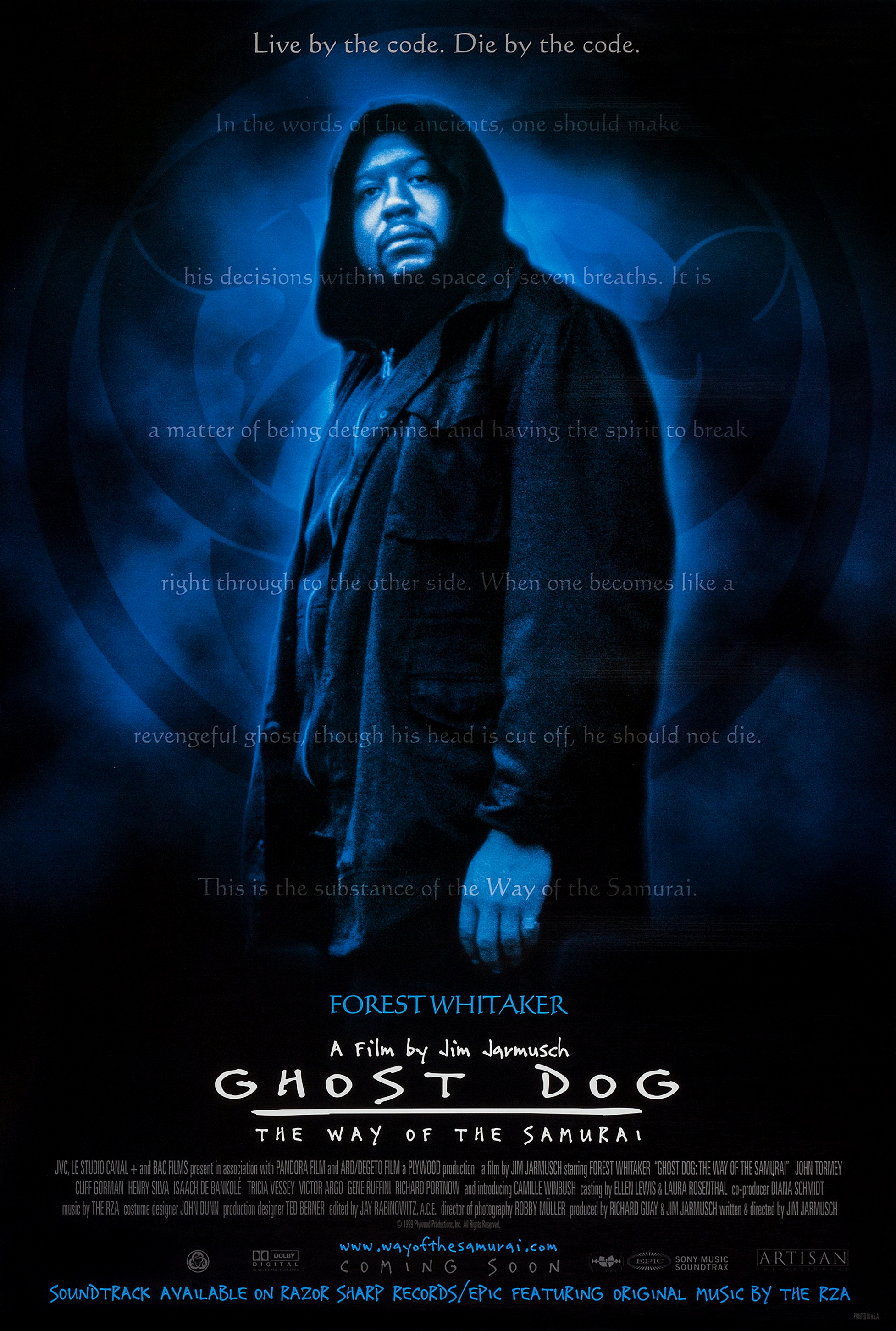 Ghost Dog: The Way of the Samurai(1999)as Sonny Valerio
 The '60s(1999)as Father Daniel Berrigan
 Law & Order(1990)as Trial Judge Gary Feldman
 9th Annual Screen Actors Guild Awards(2003)as Self - In Memoriam
 Bicentennial Minutes(1974)as Self - Narrator
 The 26th Annual Tony Awards(1972)as Self - Winner
 Review(1969)as Self
 Making the Boys(2011)as Emory