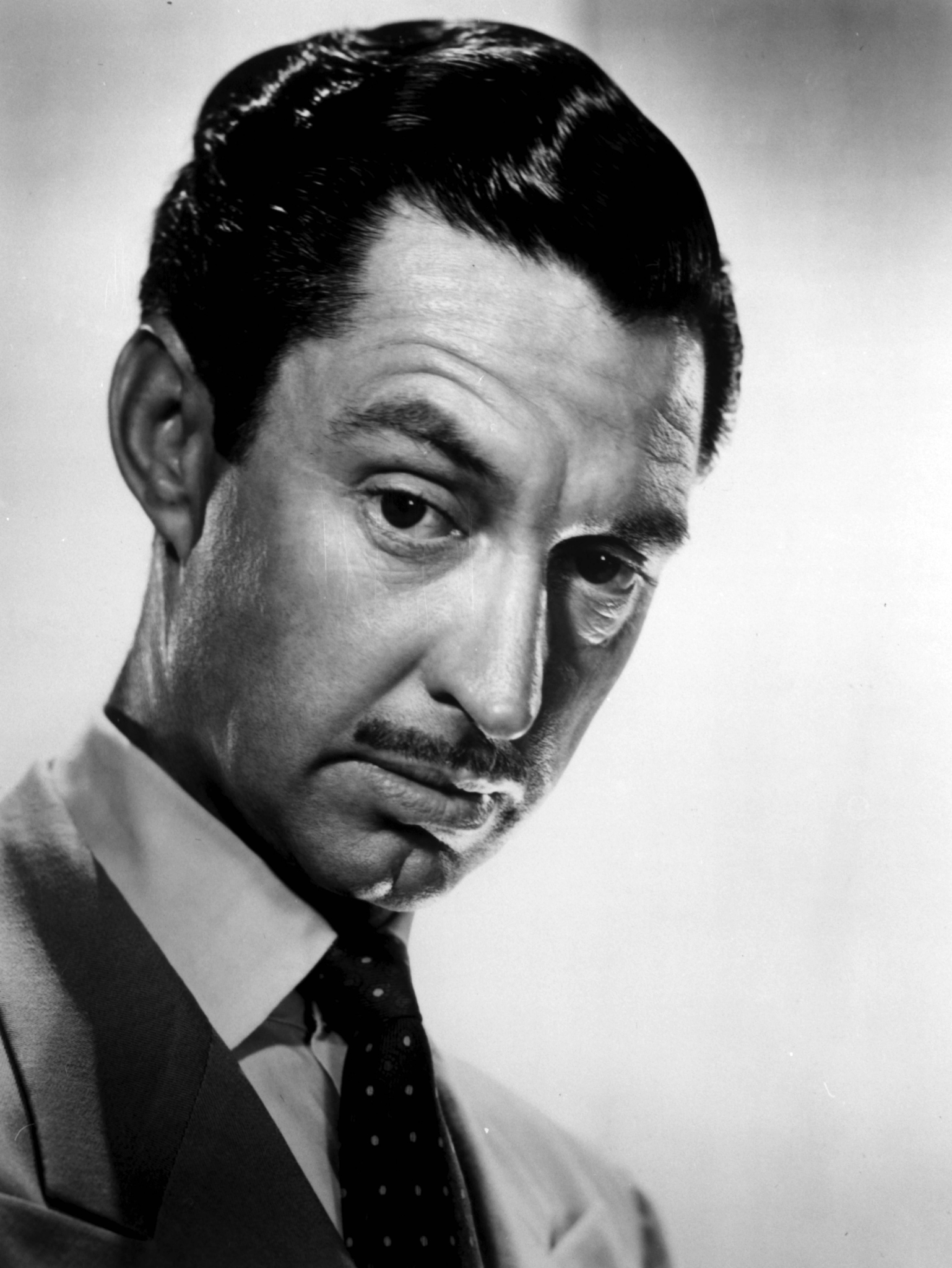
Ideal for playing swarthy villains, James Griffith's tall, dark and
gaunt features and shady countenance invaded hundreds of film and TV
dramas (and a few comedies) throughout his career on-camera.
Highlighted by his arched brows, hooded eyes and prominent proboscis,
heavy character work would be his largest source of income for nearly
four decades.
He was born James J. Griffith, of Welsh ancestry, on February 13, 1916,
in Los Angeles. He and sister Dorothy were raised in the Santa Monica
area. An early interest in music led to his learning to play several
instruments, including the clarinet and saxophone. He got his first
taste of entertaining audiences by performing in local bands while
arranging music for them as well. An interest in acting came about
participating in school plays and continued when he found parts to play
in small theatre houses in such productions as "They Can't Get You
Down" in 1939.
Unable to consistently pay the bills, however, Griffith found steadier
work at Douglas Aircraft in Santa Monica. Enlisting in the Marine
Corps. in 1941, he served his country until 1947. Eventually married
with a newborn, a chance meeting with bandleader
Spike Jones while working as a gas
station attendant led to a six month traveling gig with Jones' City
Slicker Band playing tenor saxophone.
Griffith finally broke into "B" films with a smarmy but showy role as
an insurance agent in the murder drama
Blonde Ice (1948). He continued to
sniff out work in both drama and occasional comedy usually as
unsympathetic or shady characters, sometimes billed and sometimes not.
Some of his bigger, noteworthy parts in the early years came with the
pictures
Alaska Patrol (1949),
Indian Territory (1950) and
Double Deal (1950). He also took on
some famous and infamous figures of history as in
Fighting Man of the Plains (1949)
(as William Quantrill),
Day of Triumph (1954) (as Judas
Iscariot),
Jesse James vs. the Daltons (1954)
(as outlaw Bob Dalton),
The Law vs. Billy the Kid (1954)
(as Pat Garrett), and
Masterson of Kansas (1954) as
Doc Holliday. He provided the voice of Abraham Lincoln in the
Rod Cameron western
Stage to Tucson (1950).
TV took much of the mustachioed actor's time from the 1950s on, notably
in westerns such as "The Lone Ranger," "Annie Oakley," "Gunsmoke," "The
Big Valley," "Bonanza," "Death Valley Days," "The Gene Autry Show,"
"Wagon Train," "Rawhide," "Maverick," "Little House on the Prairie,"
"B.J. and the Bear" and "Dallas." Elsewhere on the small screen he
played cold-hearted villains twice on "Batman" in support of the
nefarious Ma Parker and Catwoman. Not to be pegged in just oaters, he
also appeared in less dusty TV fare such as "The Streets of San
Francisco," "Fantasy Island" and Emergency!" Griffith made his final
acting appearance on a 1984 "Trapper John" episode.
A gifted raconteur, his later years were spent writing theatre plays
and movie scripts, and attending film festivals. Two of his earlier
movie scripts that found releases were
Russ Meyer's Lorna (1964) (in which he also appeared),
Shalako (1968) and
Catlow (1971). Griffith died of cancer on
September 17, 1993, at age 77.
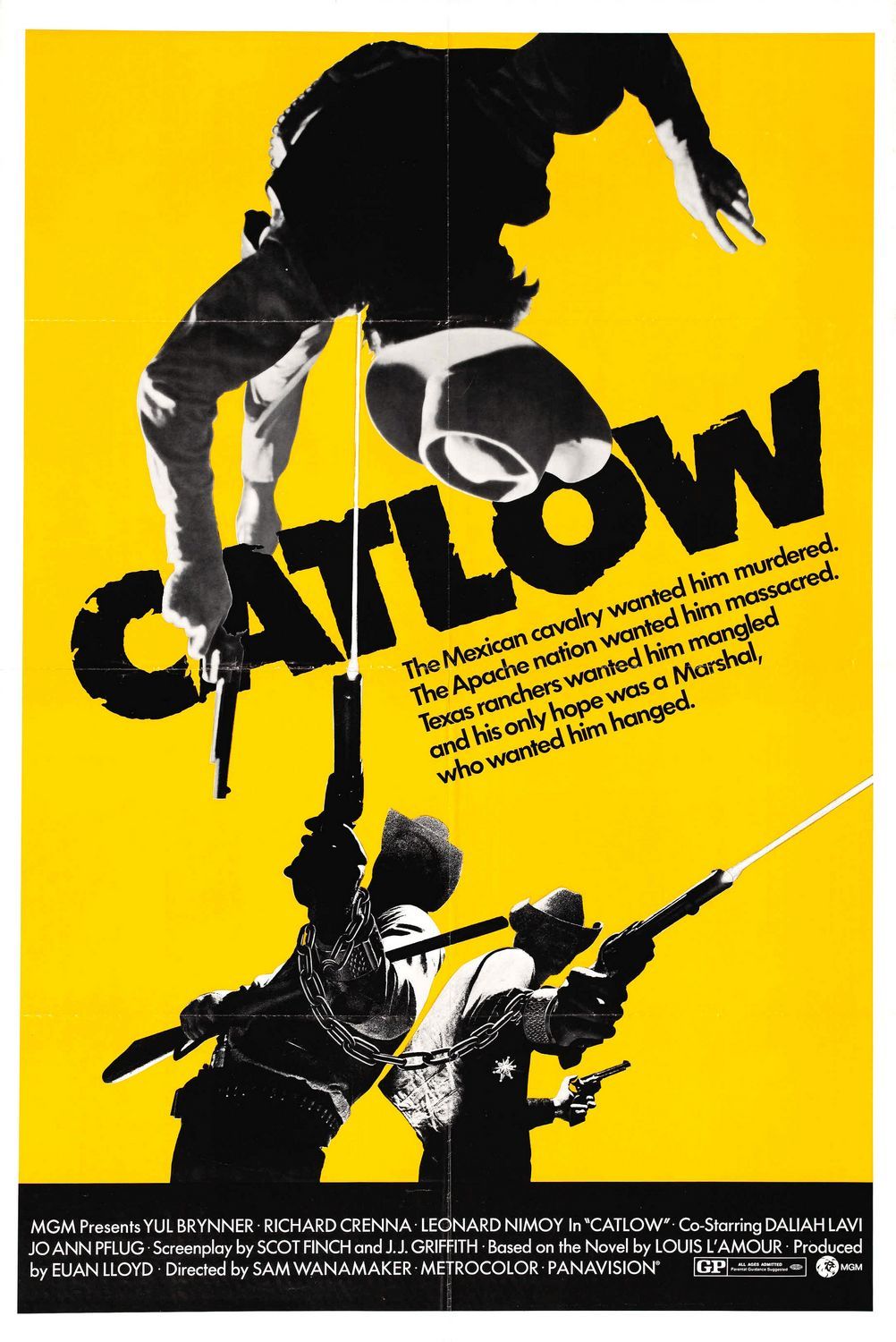 Catlow(1971)
 Shalako(1968)
 Mission: Impossible(1966)
 Motorpsycho!(1965)
 Russ Meyer's Lorna(1964)
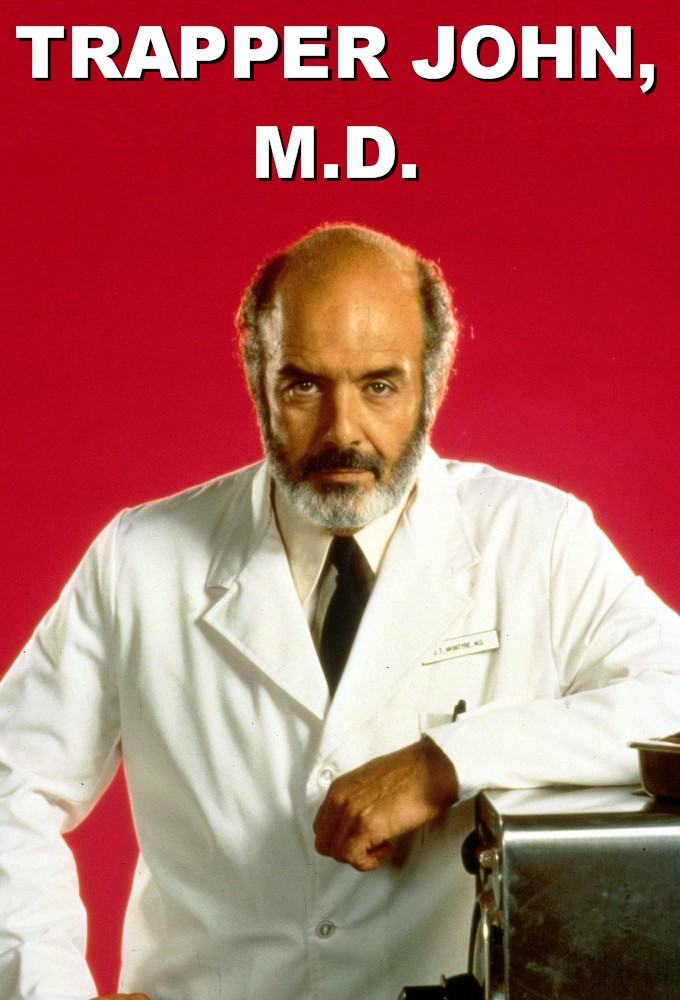 Trapper John, M.D.(1979)as Mr. Garrett
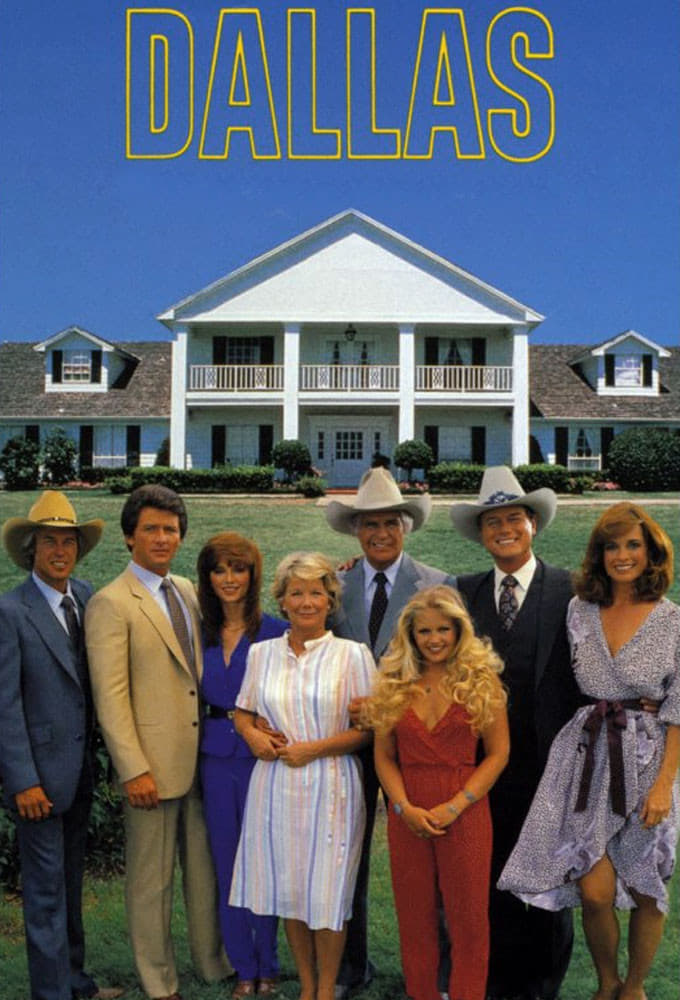 Dallas(1978)as Drunk in Bar
 Little House on the Prairie(1974)as Dandy Davis, Preacher Bob
 The Adventures of Huckleberry Finn(1981)as Uncle Silas
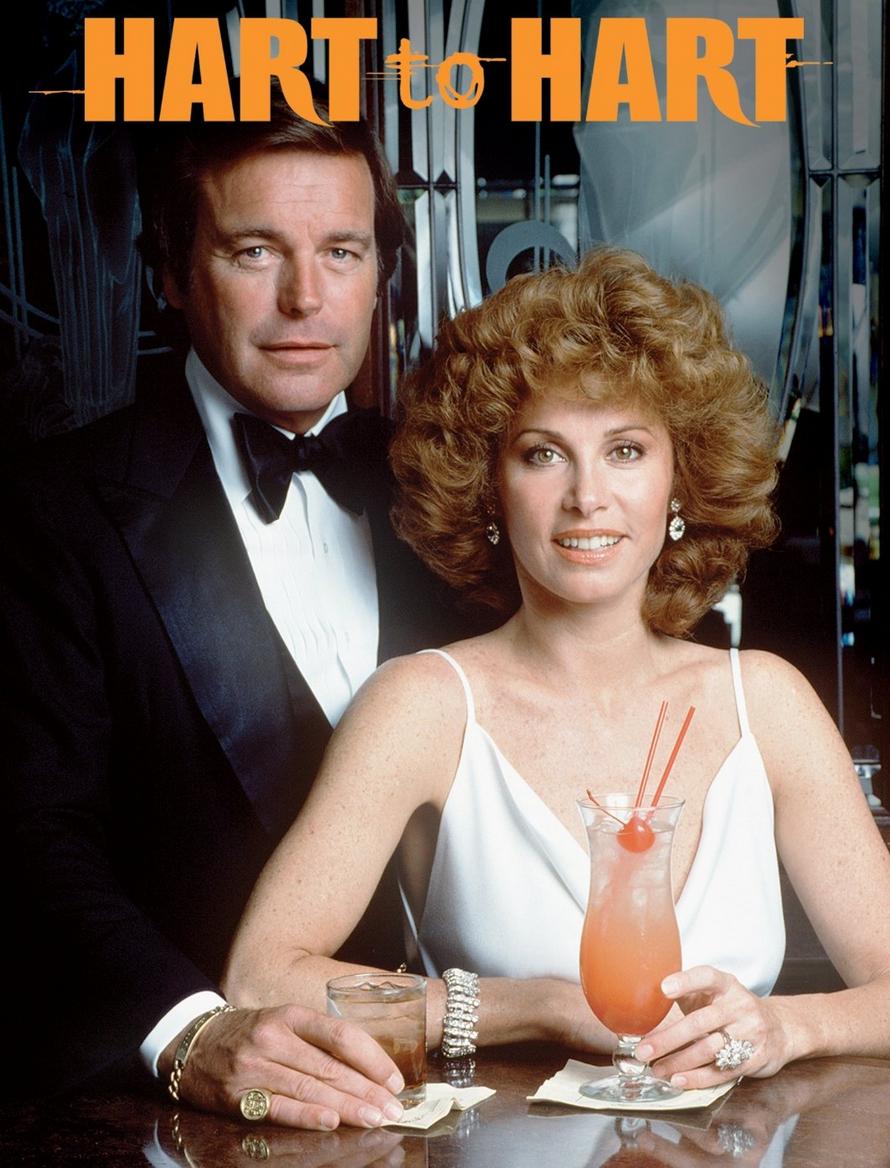 Hart to Hart(1979)as Prospector
 Stand Tall(1997)
 Bullwhip(1958)
 Los Angeles Plays Itself(2003)as Jesse Quinn in Dragnet
 TV's Western Heroes(1993)
 Manhunt in Space(1956)as Ken - Cassa 7 Air Controller


