American motion picture editor, who, in 1977, was voted by 100 of his
peers as the best his profession had ever produced. Hornbeck began his
distinguished career in the industry, aged fourteen, as a film winder
with the New York Motion Picture Company on 42nd Street and Broadway.
In 1916, he joined
Mack Sennett's Keystone
Film Company and worked for twelve years as chief editor on numerous
two-reel comedies. In 1934, Hornbeck went to England and became
supervising editor for
Alexander Korda's London Films,
where he worked on such classics as
The Scarlet Pimpernel (1934),
Things to Come (1936) and
The Thief of Bagdad (1940).
He was known to be a meticulous craftsman, always wearing white gloves
on both hands when handling celluloid.
In 1941, Hornbeck returned to America to collaborate with
Frank Capra on the 'Why We Fight' series of
documentaries in the Army Signal Corps Photographic Unit. After the
war, he edited Capra's classic
It's a Wonderful Life (1946)
and MGM's
State of the Union (1948).
From 1949 to 1953, he was under contract to Paramount and won an
Academy Award in for
A Place in the Sun (1951). His
other outstanding contributions during this decade include
Shane (1953),
The Barefoot Contessa (1954)
and
Giant (1956), in which his editing
effectively disguised James Dean's untimely demise prior to completion
of the picture.
After briefly free-lancing, Hornbeck joined Universal as supervising
editor in 1960 and remained in that capacity until his retirement in
1976.
 Suddenly, Last Summer(1959)
 A Hole in the Head(1959)
 I Want to Live!(1958)
 The Quiet American(1958)
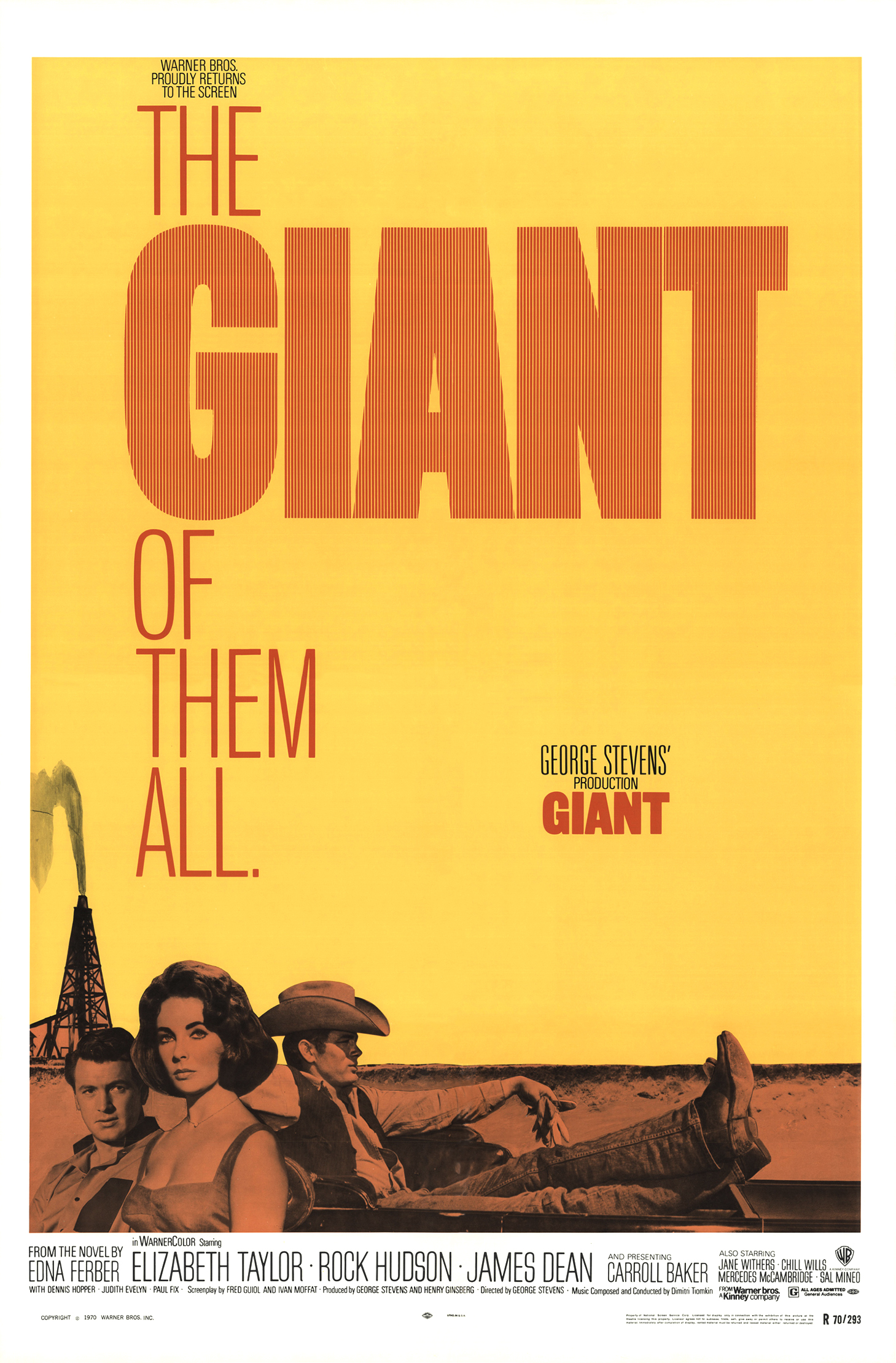 Giant(1956)
 Magic Town(1947)
 The Jungle Book(1942)
 Lydia(1941)
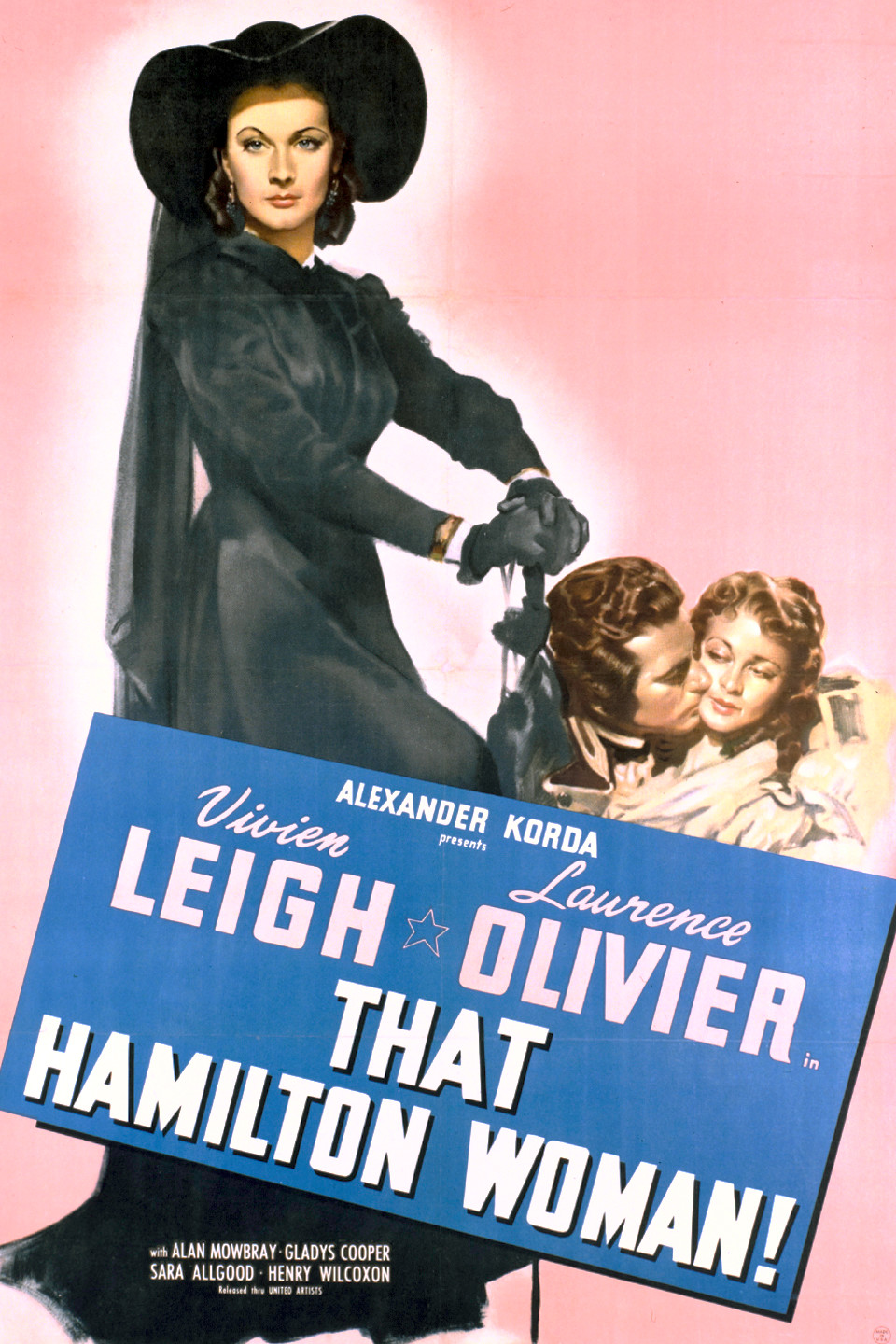 That Hamilton Woman(1941)
 Here Is Germany(1945)
 AFI Life Achievement Award(1973)as Self
 Hollywood(1980)as Self
 Talking Film(1978)as Self
 The Moviemakers(1984)as Self