A tragic end belies a life led with purpose. The son of a successful
filmmaker, Juzo Itami made his name acting in television and films
before making a late career shift into screenwriting and directing at
age 50. Known to choose the subjects of his films through everyday
observations, he often followed up significant events in his life with
films depicting idiosyncrasies that he felt were unique to the evolving
Japanese culture. He was the definition of an iconoclast who took the
great
Molière's words to heart, "castigat
ridendo mores" (criticise customs through humour).
Attributed as a key figure in the re-emergence of the latest wave of
Japanese films that marked their presence outside of Japan, Itami
proved to be a force of energy and originality that revived the
country's stake in international cinema during the 1980s. Critics and
audiences alike were simpatico when it came to his clever and keenly
entrenched satires of his country's societal misgivings and he quickly
became the most famous modern director of his generation. Throughout
his directorial oeuvre of 10 films (list at the end), which stretched
from 1984 to his final film in 1997, they were popular both
domestically and maintained a staunch international following.
Every so often, Itami was compared to his then recently deceased French
counterpart,
Jacques Tati, who utilised
similar styles of critiquing their society's cultural transition while
crafting films with trenchant distinctions in humour and sadness. They
also had almost similar, brief numbers of films that they directed and
wrote before their death and they also used similar elements in the
majority of their films. Itami cast his wife,
Nobuko Miyamoto in every one of his 10
films. She was synonymous with Itami's fans across the world. Her
versatility with melodrama and her impeccable comic timing proved
invaluable to her husband's unique blend of the two genres as she
portrayed characters that have been labeled as an "Everywoman" role.
These roles laid the groundwork for a much more diverse representation
of genders in Japan's films as Itami's women were usually strong, smart
and gifted with moral fortitude when faces with tremendous adversity.
A common misconception outside of Japan would be that
Tampopo (1985) was Itami's career-making
debut. And although
Tampopo (1985) is his
most successful and critically acclaimed to date, his first feature was
actually a humourous look at the Japanese attitudes towards death in
The Funeral (1984), which touched on the
generational gap opposing the stringently revered traditional values of
the elders and the often-callous modernism of their children.
Tampopo (1985) followed it to immense and
unexpected success outside of its native land. The gastronomic "noodle
western" as Itami himself had coined it, was an episodic venture (which
formed the structure of his other films) of a restaurateur determined
to create the best possible noodle for the best possible noodle eatery.
Consumed with quirky characters and their own respective obsessions, it
was a surreal fusion of wink-wink ribald imagery that was obstinately
Japanese and a cheeky lampoon on the Leone "spaghetti westerns" that
showed early signs of his development to an auteur. The public was now
aware of Itami's established comedic style and free-wielding use of the
narrative and they wanted more.
After a string of successful hits such as
A Taxing Woman (1987) (A Taxing
Woman) and its sequel came one of Itami's most intriguing films to date
in Minbo also commonly held as
Minbo (1992) (The
Anti-Extortion Woman). It was scathing attack on the pride of the
Japanese Yakuza through the film's story of a spirited female
protagonist skewering and training feeble men to fight back against the
criminal elements through courage and determination instead of
resorting to violence. The film's realistic content apparently hit a
sore spot with real gang members who waited outside of Itami's home and
slashed him across his face that left him in the hospital. During his
recuperation at the hospital, he found material for his next feature in
The Last Dance (1993) about a dying film
director accepting with his illness amidst an uncaringly cold
healthcare system with an ironic look at infidelity and suicide that
was a precursor to the rest of Itami's life. Still haunted and suitably
outraged by the attack following Minbo, Itami's final film in 1997 was
the black comedy
Woman in Witness Protection (1997). It was
his ode to freedom of expression that revolved around an actress
witnessing a cult murder and becomes a target, both in the media and
for hired guns.
On December 20, 1997, the 64-year-old Itami was found seriously injured
on the street below his office and later died in the hospital. A
suicide note was left behind by Itami that expressed innocence to a
tabloid's accusation of his infidelity with a younger woman. Itami's
energy and aversion to jadedness in his long career in films would have
no doubt been still at use to this day if he was alive.

 Woman in Witness Protection(1997)
 Supermarket Woman(1996)
 A Quiet Life(1995)
 The Last Dance(1993)
 Minbo(1992)
 Sweet Home(1989)as Kenichi Yamamura
 Bumpkin Soup(1985)as Professor Hirayama
 Haru no hatô(1985)
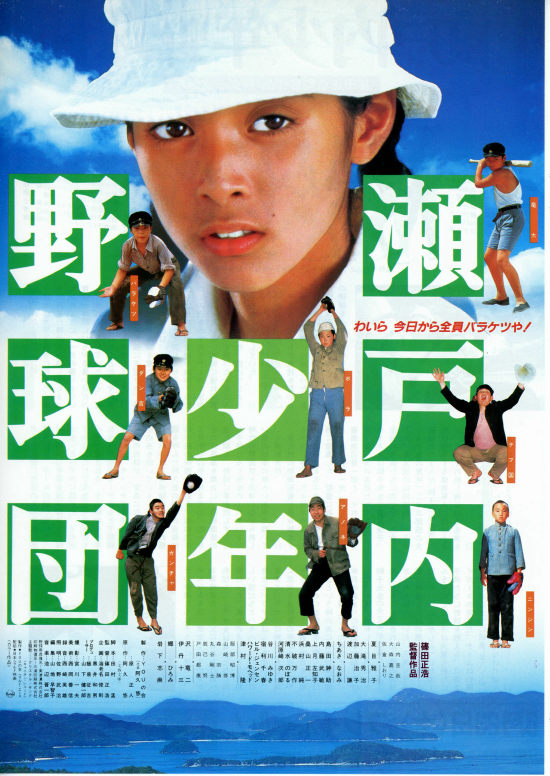 MacArthur's Children(1984)as Admiral Hatano
 Make-Up(1984)as Kumakura
 Tales of a Golden Geisha(1990)
 Sweet Home(1989)
 Marusa no onna(1989)
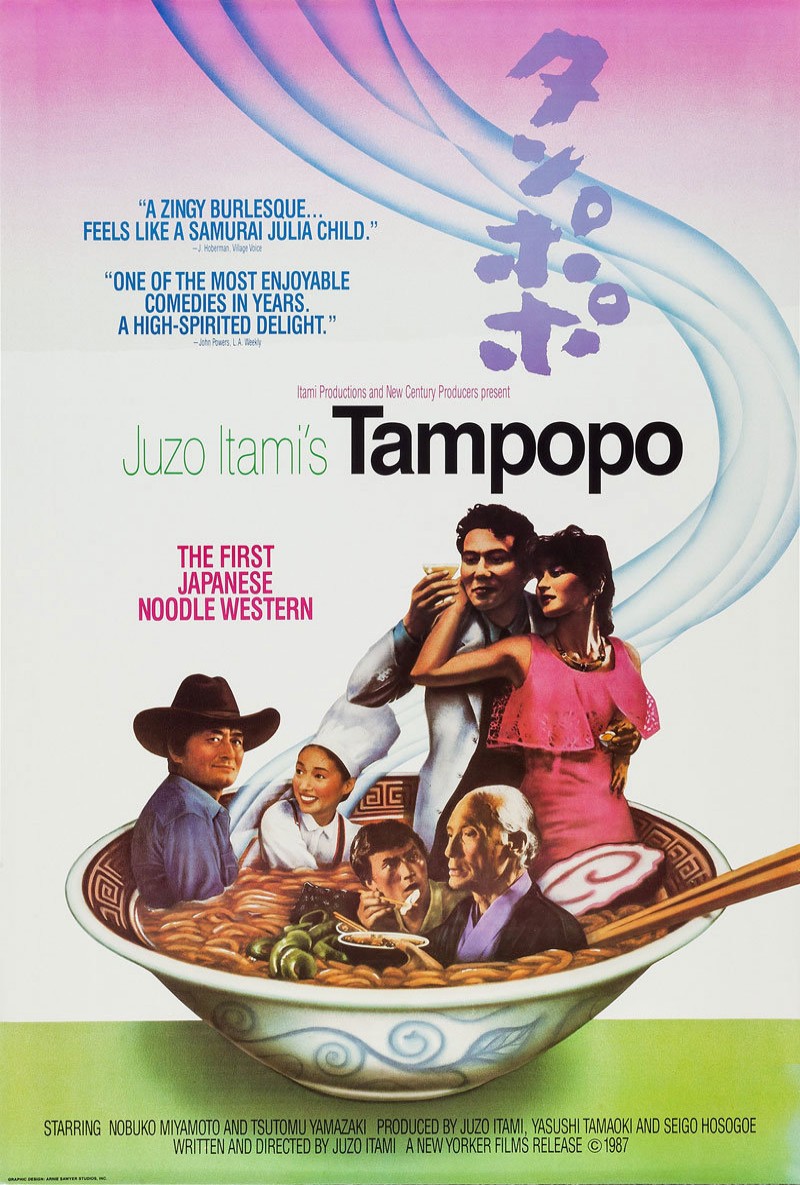 Tampopo(1985)
 Sutajio pâku kara konnichiwa(1995)as Self
 Great SFX Adventure: Take Me to 'Sweet Home'(1989)as Self