Vaudevillian, song-and-dance man, tent show magician and juggler Bert
Kalmar turned to writing parodies for the stage after a knee injury put
an end to his performing career. However, at the urging of composer
Ted Snyder, he soon put his talents
to better use as a writer of popular songs. A chance encounter with
pianist cum
'song plugger'
Harry Ruby at
Snyder & Waterson, a Tin Pan Alley publishing firm, led to what was to
become a famous partnership. From 1918, Kalmar & Ruby turned out
numerous hit songs, including "Three Little Words", "I Want to Be Loved
By You" (famously warbled by
Marilyn Monroe in
Some Like It Hot (1959)), "Who's
Sorry Now" (from
A Night in Casablanca (1946),
also a huge 1958 hit for
Connie Francis),
"A Kiss to Build a Dream On" (featured in
Sleepless in Seattle (1993),
and many, many more.
Before moving to Hollywood in 1930, the team turned out prodigious
sketches for Broadway shows, such as
Earl Carroll's Vanities, as well as
providing scores for musical comedies. They formed a particularly
gainful association with
The Marx Brothers, beginning with
Animal Crackers (1930) (both
stage and screen versions). The song "Hooray for Captain Spalding" was
to become
Groucho Marx's personal anthem
over the next four decades and a valuable source of royalties for
Kalmar & Ruby. In addition to their songs, the duo also concocted the
madcap plots for
Horse Feathers (1932),
Duck Soup (1933) and the
Eddie Cantor farce
The Kid from Spain (1932).
Though the partnership endured well into the 1940's, it had undoubtedly
suffered its ups and downs. These were in part detailed in the musical
biopic
Three Little Words (1950), in
which Kalmar (who had died three years earlier) was played by
Fred Astaire and Ruby by
Red Skelton. Production values were tops,
the musical numbers were superbly staged. As to the story - well, that
was pure Hollywood fiction. From the supposed split-up over a
triviality, to the reconciliation affected by Kalmar's and Ruby's
wives, it was all strictly formula material. Not to mention the dancing
(brilliantly, as always) by Astaire (which the real Kalmar with his bum
knee would have been hard pressed to do).
In the end, all that really matters is the enduring popularity of the
songs and the fortuitous combination of talent which created them.

 Look for the Silver Lining(1949)
 Ship Ahoy(1942)
 Everybody Sing(1938)
 The Life of the Party(1937)
 Walking on Air(1936)
 Confidential Agent(1945)as Man at Table
 Cocoanut Grove(1938)
 Bright Lights(1935)
 Kentucky Kernels(1934)
 Happiness Ahead(1934)
 Hips, Hips, Hooray!(1934)
 That's Entertainment, Part II(1976)
 That's Entertainment!(1974)
 Dark Winds(2022)
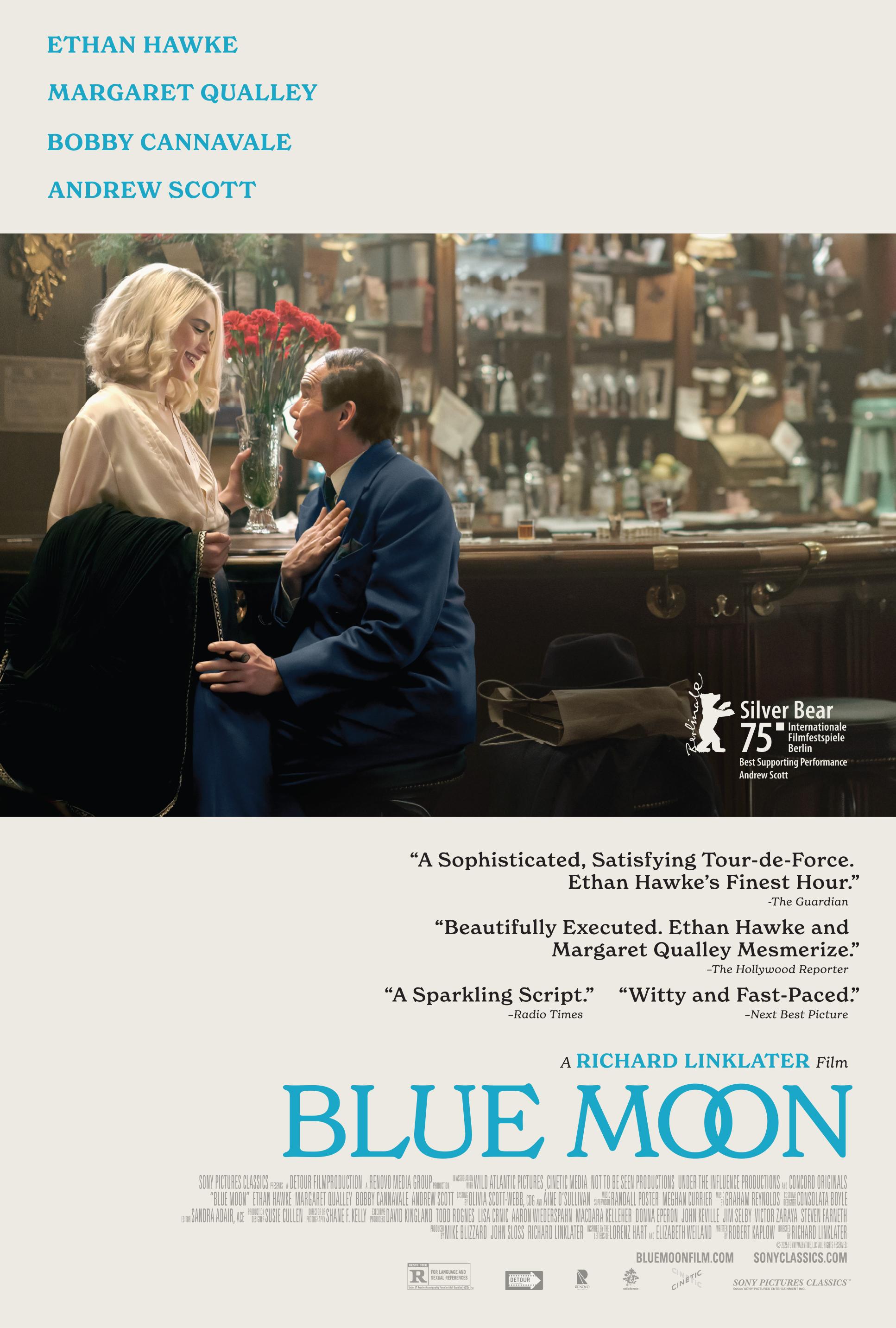 Blue Moon(2025)
 Poymay menya, esli smozesh(2024)
 Dead Boy Detectives(2024)
 DogMan(2023)
 Screen Snapshots, Series 10, No. 6(1931)as Self
 Two Swell Guys(2006)as Self