Lev Konstantinovich Knipper was born on December 3, 1898, in Tbilisi,
Russia. He grew up in a bilingual family and spoke perfect Russian and
German. His German father, named Konstantin Knipper, worked as a
Railroad Engineer. Lev Knipper was the nephew of actress
Olga Knipper-Chekhova, the
wife of
Anton Chekhov, and a junior brother of
Olga Tschechowa, the wife of
Michael Chekhov.
Lev Knipper studied piano from childhood and received an excellent
private education. He also played good tennis and was an avid
mountain-climber.
Lev Knipper was an officer in the White Army of Baron Vrangel, fighting
against the Bolshevik communists during the Russian Civil War in the
Ukraine and in the Crimea. He briefly emigrated and lived in Germany,
but after some time he was rehabilitated by the Soviet secret service
and returned to the Soviet Russia. There he worked for the secret
service under
Lavrenti Beria, being attached to the propaganda department of
the Red Army. He completed his music education at the Moscow Gnesin
Institute, where his teachers were
Mikhail Gnesin and
Reinhold Glière. He composed
patriotic songs and contributed music scores for several Soviet films.
He also collaborated with Stanislavsky and
Vladimir Nemirovich-Danchenko at the Moscow Art
Theatre.
In 1934 Lev Knipper wrote the famous song 'Polyushko Pole' on the
commission from the Red Army. The song was officially dedicated to the
Red Army Commander Field Marshall
Kliment Voroshilov. The lyrics to the song were
written by
Viktor Gusev. 'Polyushko Pole' became one of the official Red
Army marches and also was a popular hit in the repertoire of the Red
Army Choir. At that time he was married to a Secret Service agent named
Mary (or Margaret) who reported directly to the office of
Lavrenti Beria in
Kremlin.
Prior to the Second World War Lev Knipper was reportedly on a secret
mission in Germany, with the task of assassinating
Adolf Hitler. There he
was associated with his sister
Olga Tschechowa, who was a famous film-star and
a close personal friend of
Adolf Hitler. Lev Knipper received instructions
from Moscow to use one of Olga's visits with Hitler for a suicide
attack on the Nazi Fuhrer.
Olga Tschechowa was kept oblivious to the plan,
which was aborted by an order from
Joseph Stalin, who became paranoid about
the possibility of Germany's alliance with Britain, if Hitler were
killed.
Later Lev Knipper spent some time at a German war prisoner's camp,
where he survived due to his perfect German. At the end of the war Lev
Knipper accompanied his famous sister in Moscow to take part in the
Celebration of the Soviet Victory in May of 1945. They attended the
Moscow Art Theatre performance of 'The Cherry Orchard', a play by
Anton Chekhov starring
Olga Knipper-Chekhova, the aunt of
Olga Tschechowa and Lev Knipper. For a
few years Lev Knipper continued his work in Germany for the KGB
identifying anti-Communist Russian immigrants.
Back in Moscow, Lev Knipper had immunity from the attacks on
intellectuals, which were led by
Andrei Zhdanov under
Joseph Stalin. While
Sergei Prokofiev
and other prominent Russian composers were censored, Lev Knipper
enjoyed a career as a composer and ethnomusicologist. He traveled to
Turkmenistan, Kazakhstan, and Tajikistan, where he researched local
ethnic traditions and folk music. By the end of his musical career he
composed 20 symphonies and 5 operas, including 'The Little Prince'.
Lev Knipper was decorated and received numerous awards from the Soviet
government. He was honored with the title of the People's Artist of the
Russian Federation. He died on July 30, 1974, in Moscow.
 8(2019)
 Russkaya sovetskaya zhivopis'. Vypusk I (Khudozhniki Leningrada i Moskvy)(1957)
 God 19-yy(1938)
 Peter Vinogradof(1935)
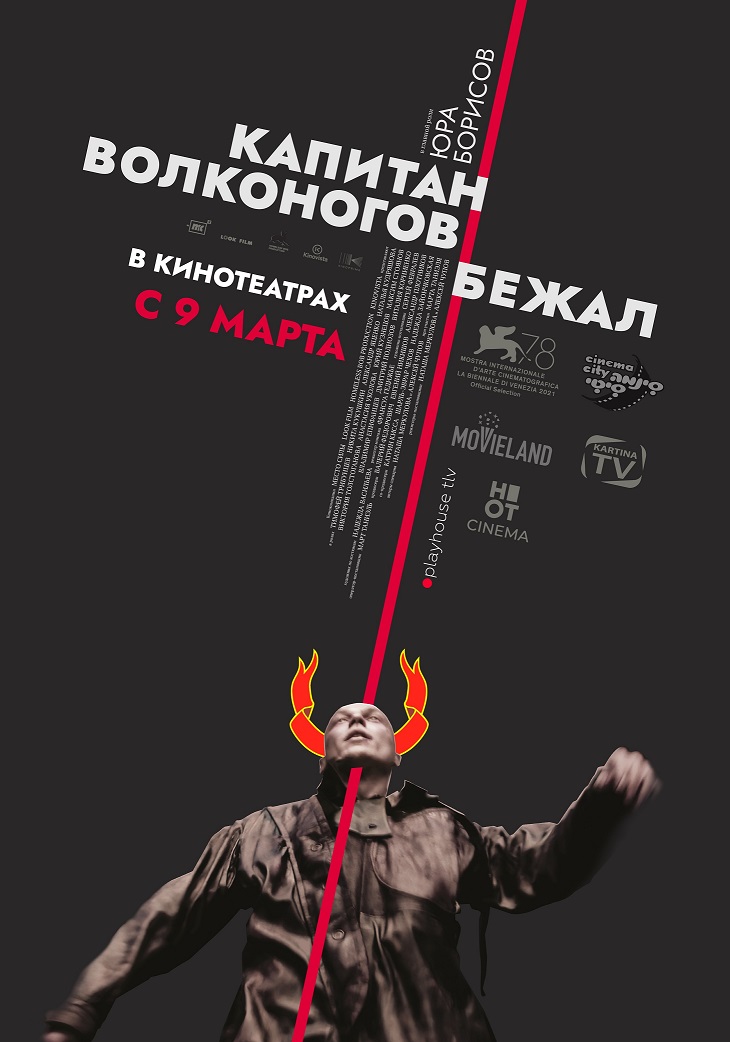 Captain Volkonogov Escaped(2021)
 OSS 117: From Africa with Love(2021)
 The Americans(2013)
 Gemma Bovery(2014)
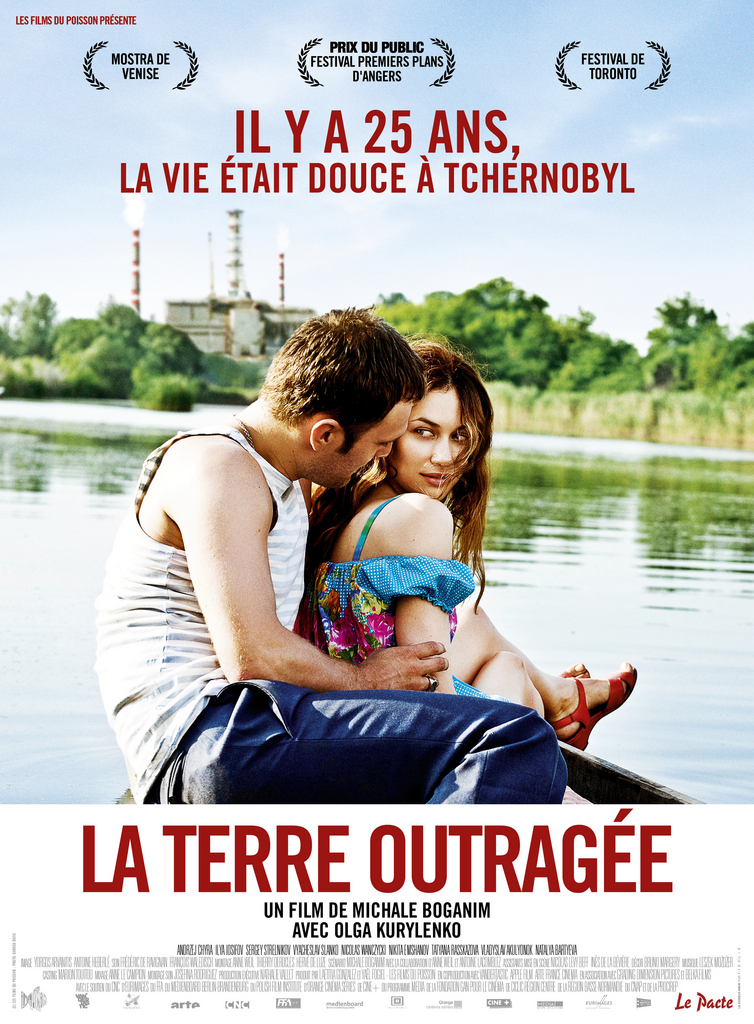 Land of Oblivion(2011)