Mean, miserly and miserable-looking, they didn't come packaged with a
more annoying and irksome bow than Charles Lane. Glimpsing even a bent
smile from this unending sourpuss was extremely rare, unless one
perhaps caught him in a moment of insidious glee after carrying out one
of his many nefarious schemes. Certainly not a man's man on film or TV
by any stretch, Lane was a character's character. An omnipresent face
in hundreds of movies and TV sitcoms, the scrawny, scowling,
beady-eyed, beak-nosed killjoy who usually could be found peering
disdainfully over a pair of specs, brought out many a comic moment
simply by dampening the spirit of his nemesis. Whether a Grinch-like
rent collector, IRS agent, judge, doctor, salesman, reporter, inspector
or neighbor from hell, Lane made a comfortable acting niche for himself
making life wretched for someone somewhere.
He was born Charles Gerstle Levison on January 26, 1905 in San
Francisco and was actually one of the last survivors of that city's
famous 1906 earthquake. He started out his working-class existence
selling insurance but that soon changed. After dabbling here and there
in various theatre shows, he was prodded by a friend, director
Irving Pichel, to consider acting as a
profession. In 1928 he joined the Pasadena Playhouse company, which, at
the time, had built up a solid reputation for training stage actors for
the cinema. While there he performed in scores of classical and
contemporary plays. He made his film debut anonymously as a hotel clerk
in
Smart Money (1931) starring
Edward G. Robinson and
James Cagney and was one of the first to
join the Screen Actor's Guild. He typically performed many of his early
atmospheric roles without screen credit and at a cost of $35 per day,
but he always managed to seize the moment with whatever brief bit he
happened to be in. People always remembered that face and raspy drone
of a voice. He appeared in so many pictures (in 1933 alone he made 23
films!), that he would occasionally go out and treat himself to a movie
only to find himself on screen, forgetting completely that he had done
a role in the film. By 1947 the popular character actor was making $750
a week.
Among his scores of cookie-cutter crank roles, Lane was in top form as
the stage manager in
Twentieth Century (1934); the
Internal Revenue Service agent in
You Can't Take It with You (1938);
the newsman in
Mr. Smith Goes to Washington (1939);
the rent collector in
It's a Wonderful Life (1946);
the recurring role of Doc Jed Prouty, in the "Ellery Queen" film series
of the 1940s, and as the draft board driver in
No Time for Sergeants (1958).
A minor mainstay for
Frank Capra, the famed
director utilized the actor's services for nine of his finest films,
including a few of the aforementioned plus
Mr. Deeds Goes to Town (1936),
Arsenic and Old Lace (1944)
and
State of the Union (1948).
Lane's career was interrupted for a time serving in the Coast Guard
during WWII. In post-war years, he found TV quite welcoming, settling
there as well for well over four decades. Practically every week during
the 1950s and 1960s, one could find him displaying somewhere his
patented "slow burn" on a popular sitcom -
Topper (1953),
The Real McCoys (1957),
The Many Loves of Dobie Gillis (1959),
Mister Ed (1961),
Bewitched (1964),
Get Smart (1965),
Gomer Pyle: USMC (1964),
The Munsters (1964),
Green Acres (1965),
The Flying Nun (1967) and
Maude (1972). He hassled the best
sitcom stars of the day, notably
Lucille Ball (an old friend from the RKO
days with whom he worked multiple times),
Andy Griffith and
Danny Thomas. Recurring roles on
Dennis the Menace (1959),
The Beverly Hillbillies (1962)
and
Soap (1977) made him just as
familiar to young and old alike. Tops on the list had to be his crusty
railroad exec Homer Bedloe who periodically caused bucolic bedlam with
his nefarious schemes to shut down the Hooterville Cannonball on
Petticoat Junction (1963).
He could also play it straightforward and serious as demonstrated by
his work in
The Twilight Zone (1959),
Perry Mason (1957),
Little House on the Prairie (1974)
and
L.A. Law (1986).
A benevolent gent in real life, Lane was seen less and less as time
went by. One memorable role in his twilight years was as the rueful
child pediatrician who chose to overlook the warning signs of child
abuse in the excellent TV movie
Sybil (1976). One of Lane's last
on-screen roles was in the TV-movie remake of
The Computer Wore Tennis Shoes (1995)
at age 90. Just before his death he was working on a documentary on his
long career entitled "You Know the Face".
Cinematically speaking, perhaps the good ones do die young, for the
irascible Lane lived to be 102 years old. He died peacefully at his
Brentwood, California home, outliving his wife of 71 years, former
actress Ruth Covell, who died in 2002. A daughter, a son and a
granddaughter all survived him.

 The Computer Wore Tennis Shoes(1995)as Regent Yarborough
 Acting on Impulse(1993)as Bellhop
 Shannon's Deal(1990)
 Dark Shadows(1991)as Antique Dealer
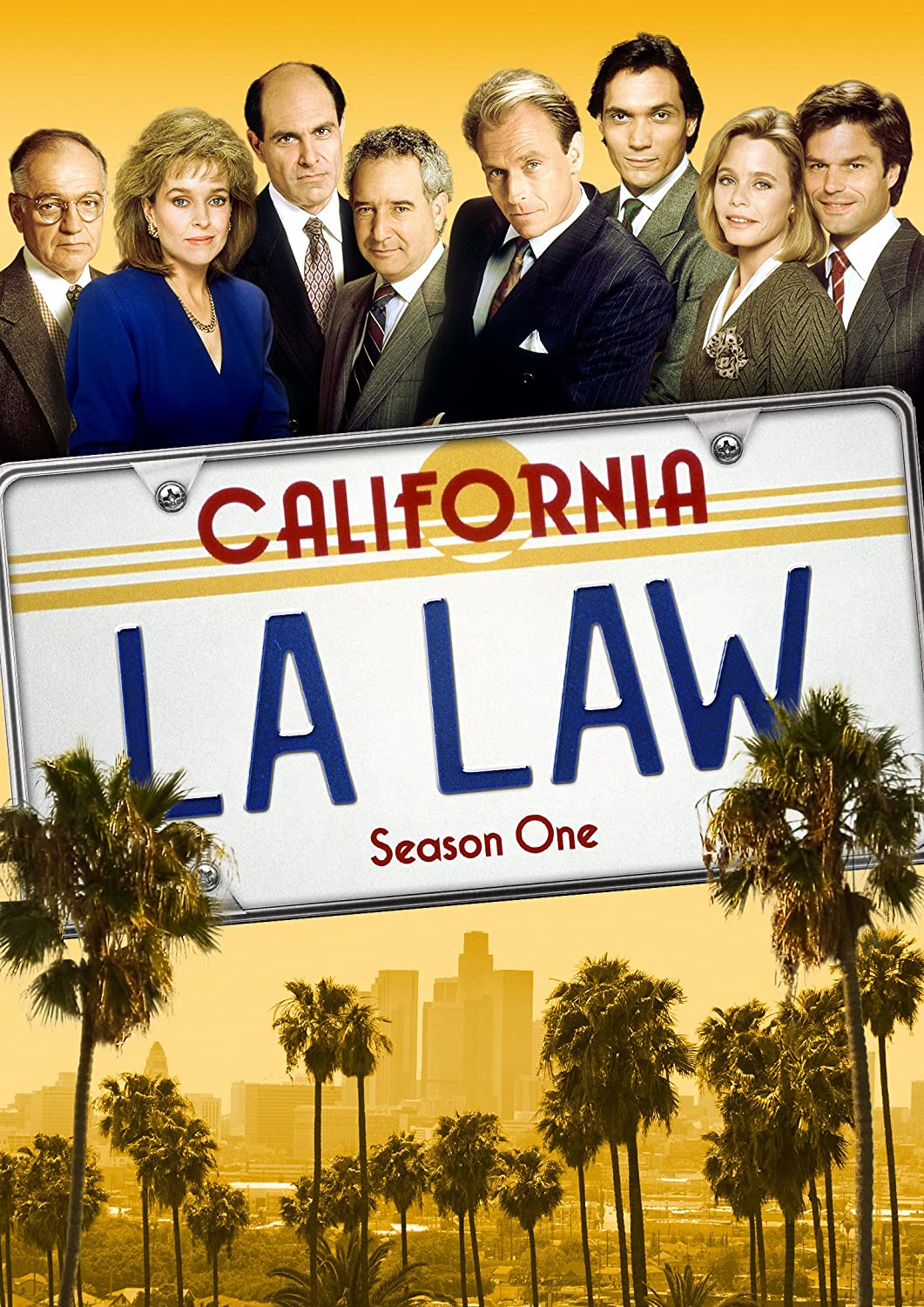 L.A. Law(1986)as Walter Graf
 The Night Before Christmas(2015)
 The Aristocats(1970)
 Petticoat Junction(1963)
 The Many Loves of Dobie Gillis(1959)
 Dennis the Menace(1959)
 The History of Hooterville(2005)as Self
 Paul Henning & The Hillbillies(2005)as Self
 Today(1952)as Self
 11th Annual Screen Actors Guild Awards(2005)as Self - Taped Segment in Honor of 100th Birthday
 Stu's Show(2006)
 WatchMojo(2006)as Self - Lawyer
 Not Quite Hollywood: Deleted and Extended Scenes(2008)as Self
 14th Annual Screen Actors Guild Awards(2008)as Self - In Memoriam


