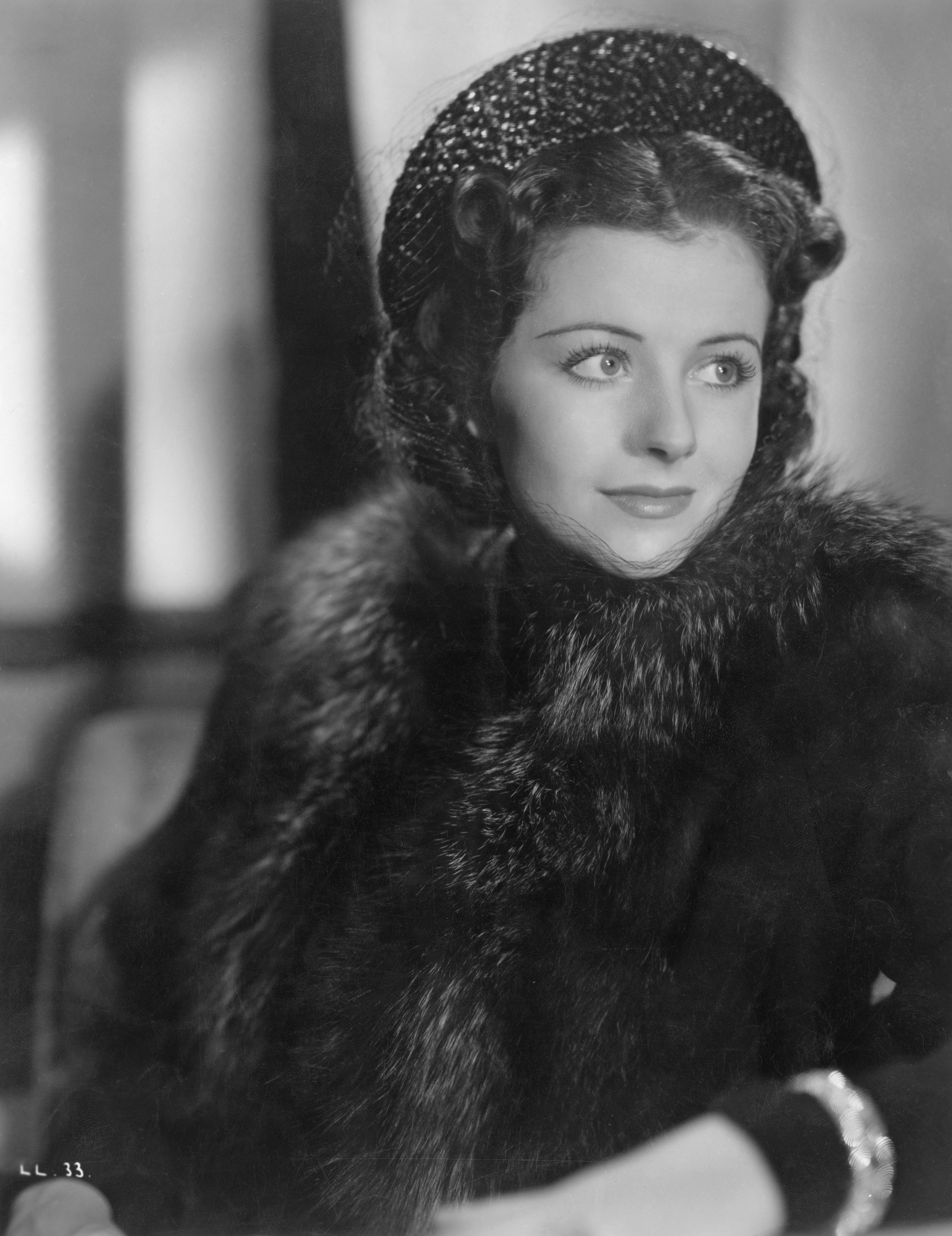
Karachi-born Margaret Lockwood, daughter of a British colonial railway
clerk, was educated in London and studied to be an actress at the
Italia Conti Drama School. Her first moment on stage came at the age of
12, when she played a fairy in "A Midsummer Night's Dream" in 1928. She
had a bit part in the Drury Lane production of "Cavalcade" in 1932,
before completing her training at the Royal Academy of Dramatic Art.
Her film career began in 1934 with
Lorna Doone (1934) and she was
already a seasoned performer when
Alfred Hitchcock cast her in
his thriller,
The Lady Vanishes (1938),
opposite relative newcomer
Michael Redgrave. The film was shot at
Islington studios and was "in the can" after just five weeks in 1937
and released the following year. This was her first opportunity to
shine, and she gave an intelligent, convincing performance as the
inquisitive girl who suspects a conspiracy when an elderly lady
(
May Whitty) seemingly disappears
into thin air during a train journey. Due to the success of the film,
Margaret spent some time in Hollywood but was given poor material and
soon returned home. Back at Gainsborough, producer
Edward Black had planned to pair
Lockwood and Redgrave much the same way
William Powell and
Myrna Loy had been teamed up in the "Thin Man"
films in America, but the war intervened and the two were only to
appear together in the
Carol Reed-directed
The Stars Look Down (1940).
This was the first of her "bad girl" roles that would effectively
redefine her career in the 1940s. In between playing femmes fatales,
she had a popular hit in the 1944 melodrama
A Lady Surrenders (1944) as a brilliant but
fatally ill pianist and was sympathetic enough as a young girl who is
possessed by a ghost in
A Place of One's Own (1945).
However, her best-remembered performances came in two classic
Gainsborough period dramas. The first of these,
The Man in Grey (1943),
co-starring
James Mason, was torrid
escapist melodrama with Lockwood portraying a treacherous,
opportunistic vixen, all the while exuding more sexual allure than was
common for films of this period. The enormous popular success of this
picture led to her second key role in 1945 (again with Mason) as the
cunning and cruel title character of
The Wicked Lady (1945), a female
Dick Turpin. This was even more daring in its depiction of immorality,
and the controversy surrounding the film did no harm at the box office.
Some of Lockwood's scenes had to be re-shot for American audiences not
accustomed to seeing décolletages. Margaret scored another hit with
Bedelia (1946), as a demented serial
poisoner, and then played a Gypsy girl accused of murder in the
Technicolor romp
Jassy (1947).
As her popularity waned in the 1950s she returned to occasional
performances on the West End stage and appeared on television, making
her greatest impact as a dedicated barrister in the ITV series
Justice (1971), which ran from 1971
to 1974.
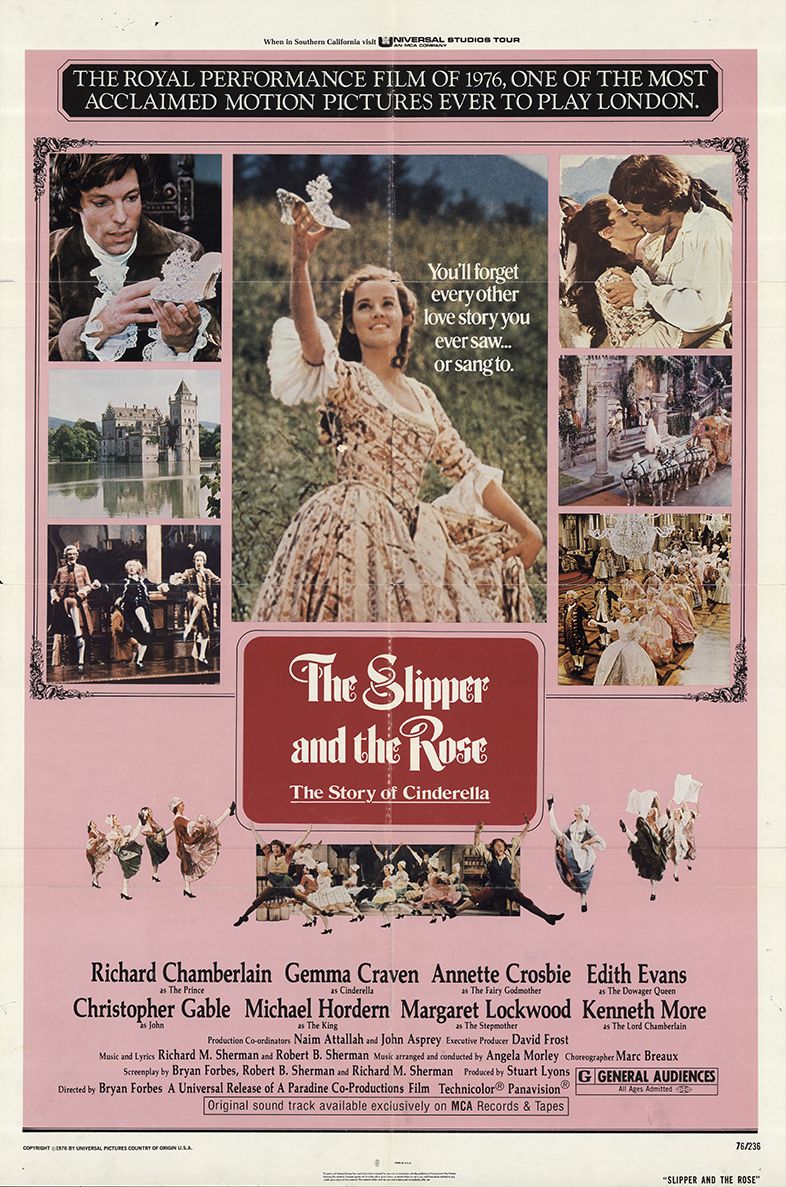 The Slipper and the Rose: The Story of Cinderella(1976)as Stepmother
 Justice(1971)as Harriet Peterson
 BBC Play of the Month(1965)as Louise Harrington
 ITV Playhouse(1967)as Julia Stanford
 The Flying Swan(1965)as Mollie Manning
 I'll Be Your Sweetheart(1945)
 Looks Familiar(1970)as Self - Guest
 Talking Film(1978)as Self - Guest
 Saturday Night at the Mill(1976)as Self
 This Is Your Life(1955)as Self, Self - Filmed tribute
 Compression(1995)as Self
 My Name Is Alfred Hitchcock(2022)as Self
 Best of British(1987)as Self
 James Mason: The Star They Loved to Hate(1984)as Barbara


