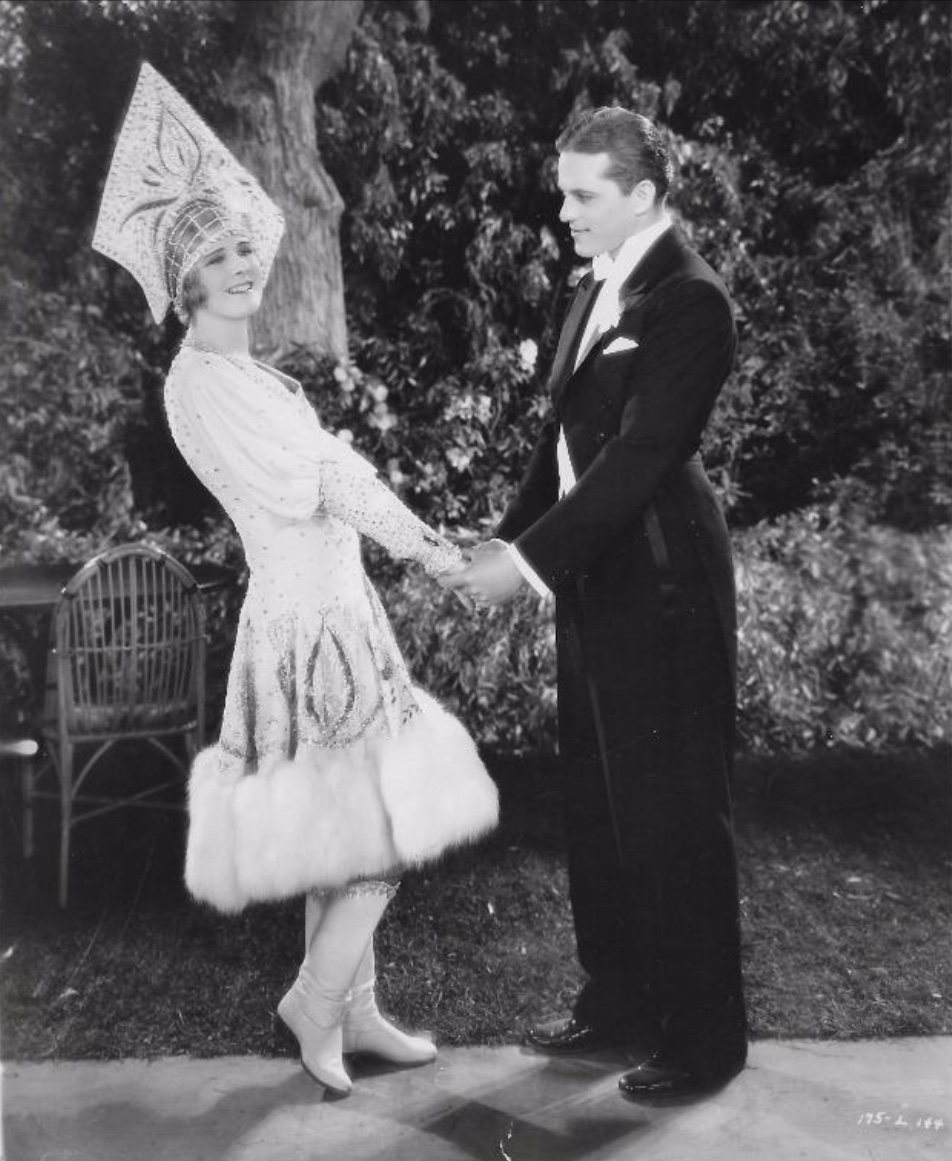
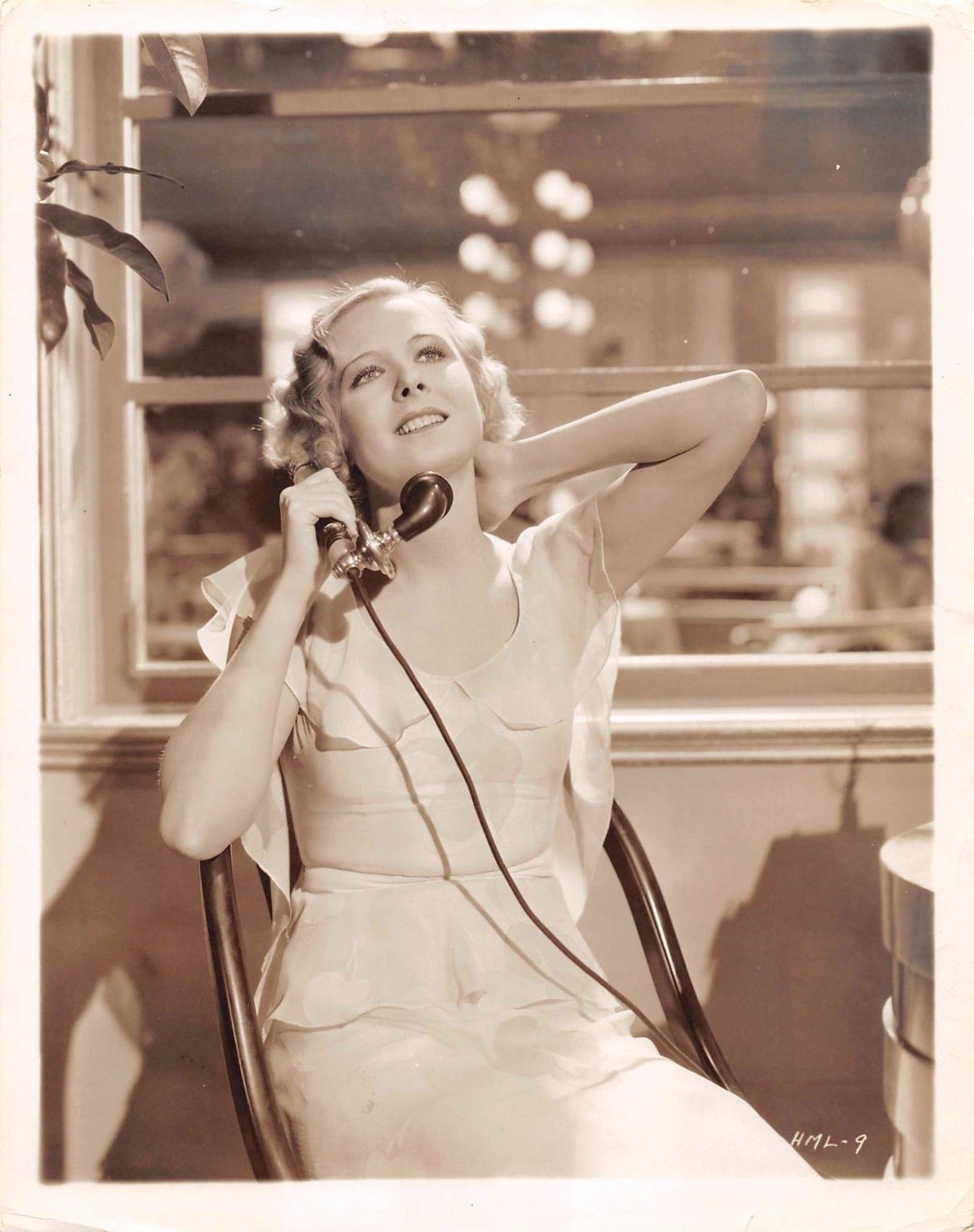
"Look for the Silver Lining" became the appropriate signature song for
one of Broadways's most popular musical stage stars of the 1920s,
Marilyn Miller, for she embodied a vibrant, child-like optimism in her
very best "happily ever after" showcases. Such happiness, however, did
not extend into her personal life.
She was born Mary Ellen Reynolds in Evansville, Indiana, in 1898. Her
father was a telephone lineman and her mother a theater aspirant. Her
parents divorced when Marilyn was a child and she was raised by her
mother and stepfather (last name Miller), who was an acrobat and
song-and-dance man in vaudeville. She joined her family (which included
two sisters) in a family act billed as "The Five Columbians" which
proved popular on the Midwest circuit. They also toured outside of the
country when bookings were slim. When she went out on her own she
abbreviated her first name to Marilyn and adopted her stepfather's last
name of Miller.
While performing in a London club in 1914, she caught the eye of
Broadway producer Lee Shubert, who brought her to New York for his
"Passing Show" revues of 1914, 1915 and 1917. Marilyn became an instant
hit with her vivid, yet delicate, beauty. However, it was her
association with
Florenz Ziegfeld Jr. in 1918 that
put her over the top. Seeing her great potential, he took her under his
wing, expanded her repertoire, focused on her tap and ballet talents
and provided her with singing and acting lessons. She became a top
headliner in his Follies shows of 1918 and 1919. Her first full-out
performance was in Ziegfeld's "Sally" in 1920, where she introduced the
song "Look for the Silver Lining." The show was a monster hit. Their
professional and personal relationship became badly intertwined,
however, and she soon severed the union. Producer
Charles B. Dillingham, Ziegfeld's
rival, signed her on and handed her the title role in "Peter Pan,"
which received lukewarm reviews. Her second show with Dillingham was
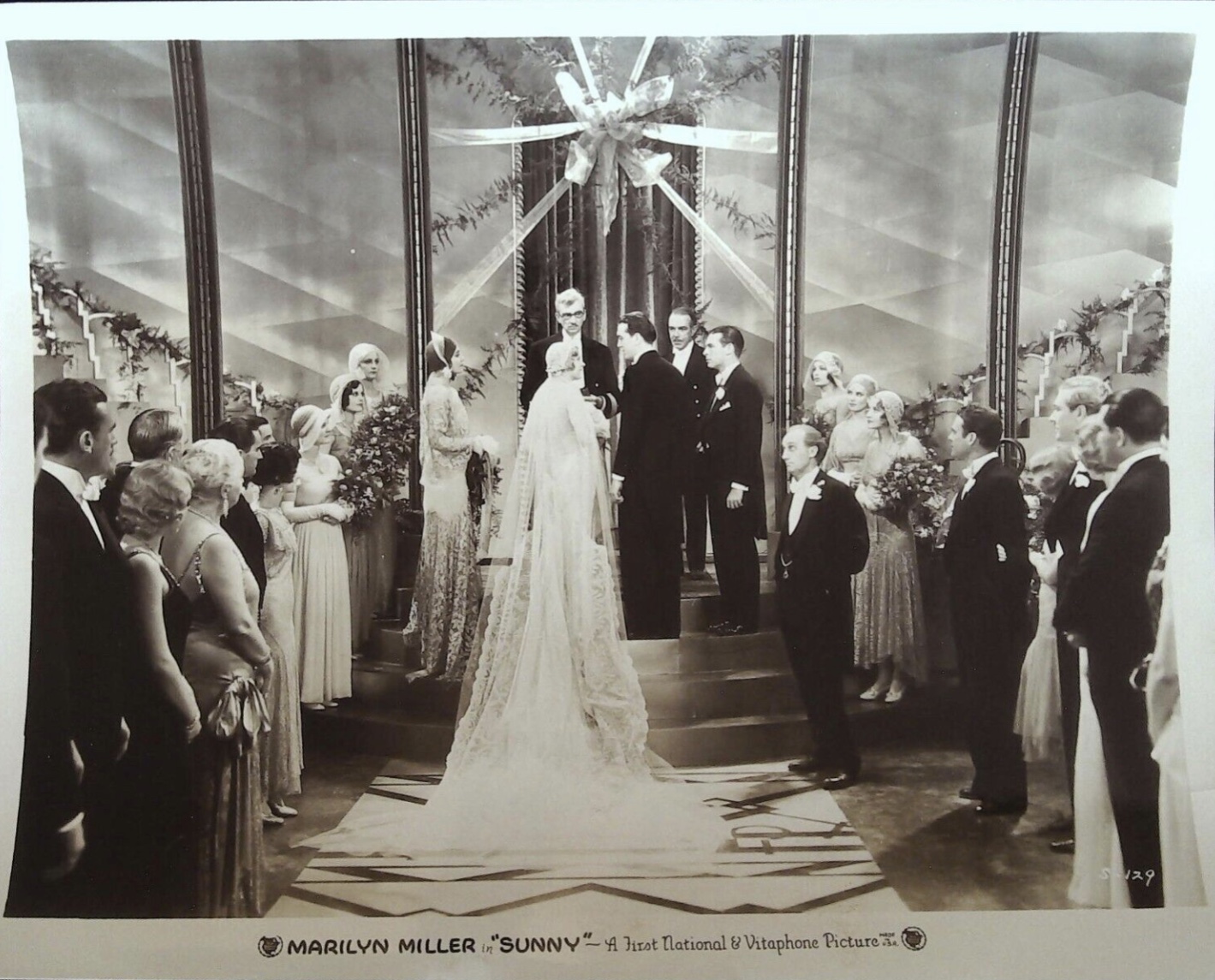
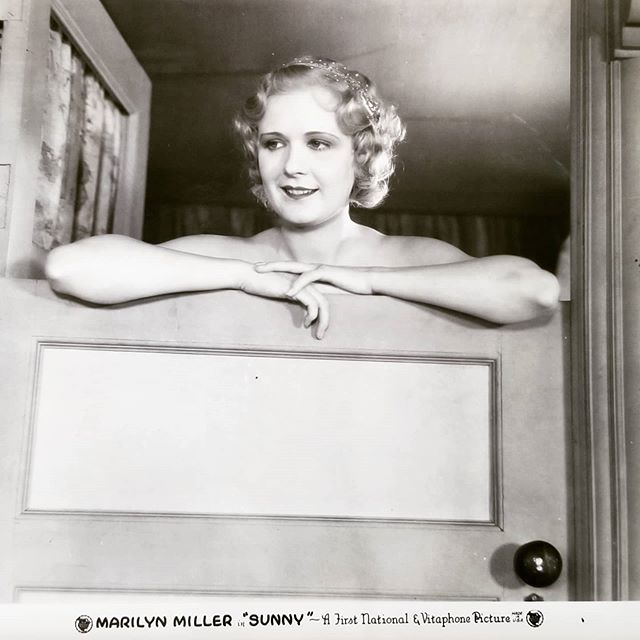
entitled "Sunny," which introduced the soon-to-be standards "Who?" and
"D'Ye Love Me?" Marilyn became the toast of Broadway once again and her
salary soared to $3,000 per week, making her the highest-paid musical
comedy performer in New York at the time.
She reconciled with Ziegfeld in 1928 and performed in the Gershwin
musical "Rosalie" to enthusiastic audiences. Hollywood took an interest
but Marilyn's venture into films would be very brief. She recreated two
of her stage hits to film at the advent of sound.
Sally (1929) and
Sunny (1930) were warmly received, as was
the musical
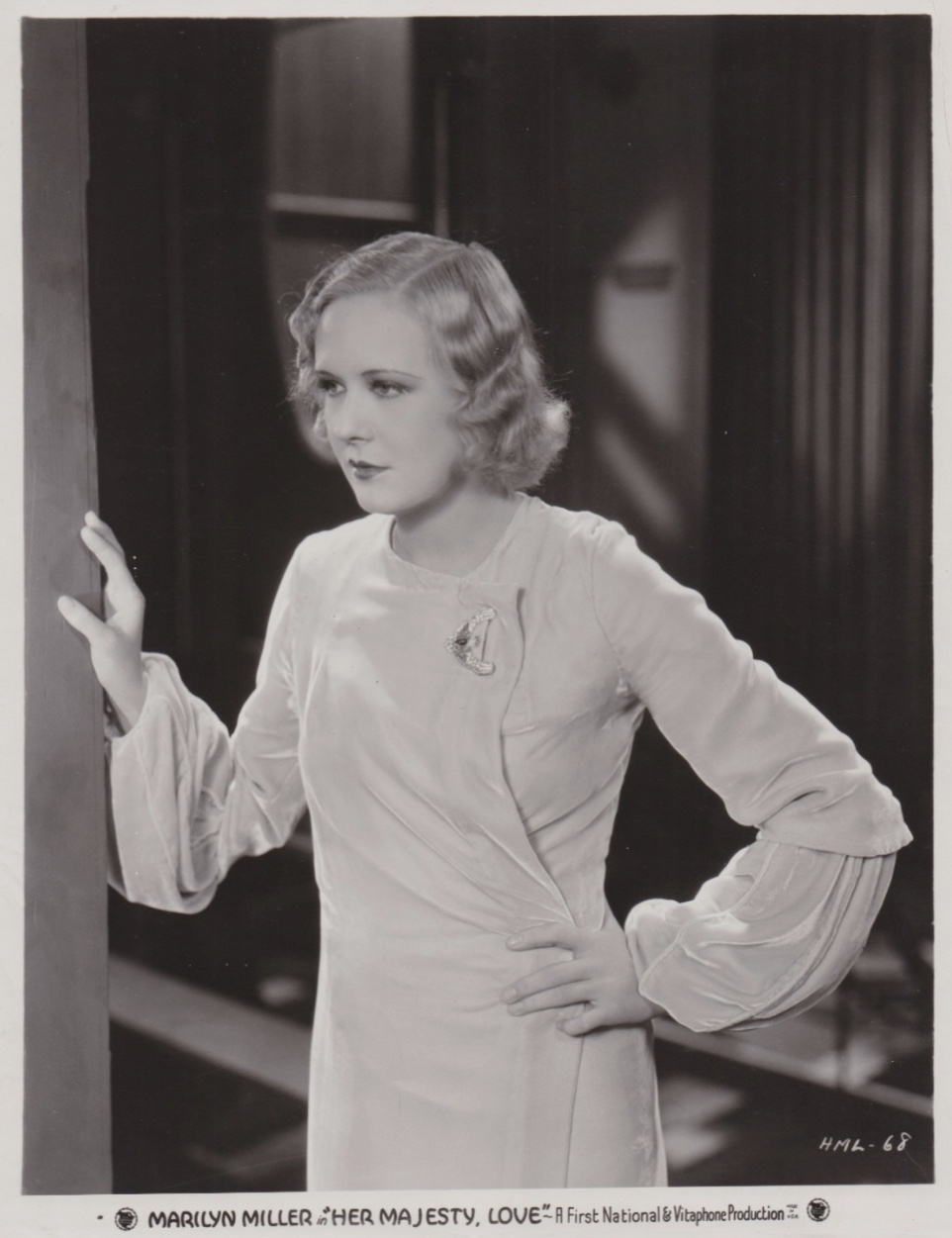
Her Majesty, Love (1931), but
that would be her third and final film. Most of Marilyn's showcases
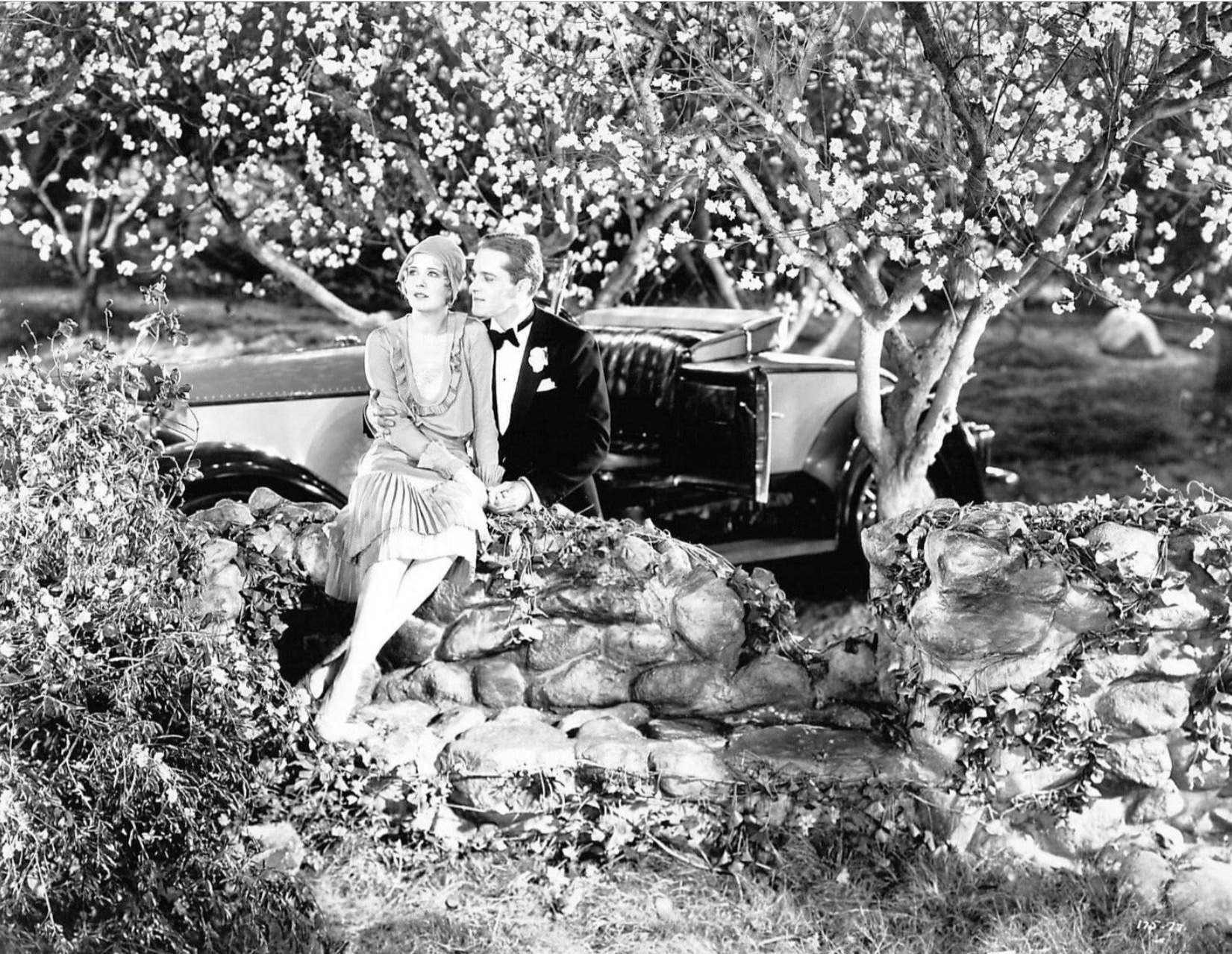
were based on Cinderella-like, poor-girl-meets-rich-boy romances.
Unlike her sweet-natured stage characters, however, Marilyn had an
extremely volatile diva-like demeanor and proved highly difficult to
work with. Her three marriages were also immensely unhappy ones. Her
first husband, stage actor Frank Carter, was killed in a car crash
after only a year of marriage; second husband
Jack Pickford, the brother of silent
screen legend
Mary Pickford, was a drug
and alcohol abuser (they divorced); and third husband, stage manager
Chester "Chet" O'Brien was a ne'er-do-well and opportunist. She died
before they were divorced.
Marilyn's last stage triumph was "As Thousands Cheer" in 1933. Her
health began to deteriorate rapidly after that, aggravated by an
increasing dependency on alcohol. Suffering from recurring sinus
infections, she was in a severely weakened state by the time she died
of complications following nasal surgery at the age of 37. A sad end to
such a bright symbol of hope and youthful exuberance. A superficial,
highly sanitized version of Marilyn's life was made in the form of the
biopic
Look for the Silver Lining (1949)
with
June Haver starring as Marilyn.
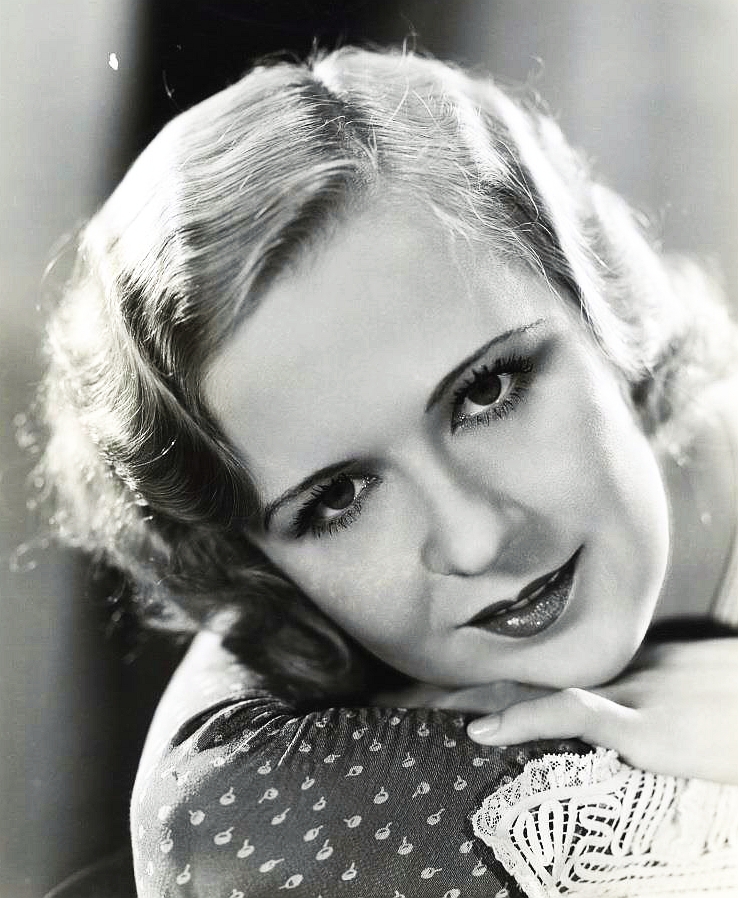
 Her Majesty, Love(1931)as Lia Toerrek
 Sunny(1930)as Sunny
 Sally(1929)as Sally
 Hollywood Singing and Dancing: A Musical History - The 1920s: The Dawn of the Hollywood Musical(2008)
 Hollywood and the Stars(1963)
 Behind the Scenes(1924)as Self
 Broadway: The American Musical(2004)as Sally
 The DuPont Show of the Week(1961)as Self