This actress' two-decade career produced only one single stand-out film
role but that one role as the "good girl" who redeems "bad boy"
Marlon Brando's tough biker in the cult
flick
The Wild One (1953) put Mary
Murphy at the head of the acting class for one brief shining moment. In
others, she proved a lovely distraction amid the male action
surrounding her and also, given the right material, displayed obvious
talent in both Grade "A" and "B" drama as the feminine co-star or
second lead.
The beautiful blue-eyed brunet stunner was born on January 26, 1931, in
Washington D.C. but quickly moved with her family six months later to
Cleveland, Ohio. Her father, James, a businessman, died there in 1940,
and her mother eventually moved Mary and her two brothers and sister
(she was the youngest of the four) West to Southern California where
Mary went on to attend University High School in the Los Angeles area,
graduating in 1949. A one-time employee of Saks Fifth Avenue in Beverly
Hills, the fresh-faced beauty was "discovered" at a café and signed by
Paramount Studios.
Following insignificant bit/extra work in such movies as the
Bob Hope's vehicles
The Lemon Drop Kid (1951) and
My Favorite Spy (1951), the
sci-fi feature
When Worlds Collide (1951),
and "Best Picture"
The Greatest Show on Earth (1952),
Mary won the female lead opposite relative newcomer
Tommy Morton in the show business drama
Main Street to Broadway (1953).
The film was ill-received and both stars were rather dwarfed by the
huge names that surrounded them --
Tallulah Bankhead,
Lionel Barrymore,
Ethel Barrymore,
Shirley Booth,
Mary Martin and even Rodgers and
Hammerstein. Her second lead in a film was a different story. the
legendary
The Wild One (1953)
opposite
Marlon Brando. Mary managed to
hold her own in this biker classic but it did not, however, necessarily
lead to better films. She continued in the demure ingénue mode in the
Vincent Price sub-horror
The Mad Magician (1954) and the
routine western
Sitting Bull (1954)
which starred future husband
Dale Robertson. The June 1956
marriage to Robertson was very short-lived; it was annulled by
Christmas time.
Mary went on, however, to give earnest leading lady perfs opposite
Tony Curtis in
Beachhead (1954),
Ray Milland's debut as a director,
A Man Alone (1955) and
Hell's Island (1955) with
John Payne. She also appeared to good
advantage in
The Desperate Hours (1955)
but was slightly overshadowed by powerhouse star cast of
Humphrey Bogart,
Fredric March,
Arthur Kennedy,
Gig Young and
Martha Scott. From then on it was fairly
dismal for Mary in such lesser features as
The Maverick Queen (1956),
The Electronic Monster (1958) and
Live Fast, Die Young (1958),
a lowbudget "Wild Ones" delinquent crimer as a girl who tries to save
her sister from a life of crime.
Mary left the screen for a time but resumed her career in the 60s and
early 70s primarily on TV with a number of episodics and mini-movies
playing matronly wives and mothers and had a small but noticeable role
in the film
Junior Bonner (1972).
Remarried in 1962, Mary retired completely by the late 70s and turned
to environmental causes. She also worked in a Los Angeles art gallery
for a time and has been seen on occasion in nostalgia conventions. She died on May 4, 2011, of heart disease, in Beverly Hills.

 Katherine(1975)as Miss Collins
 Kodiak(1974)
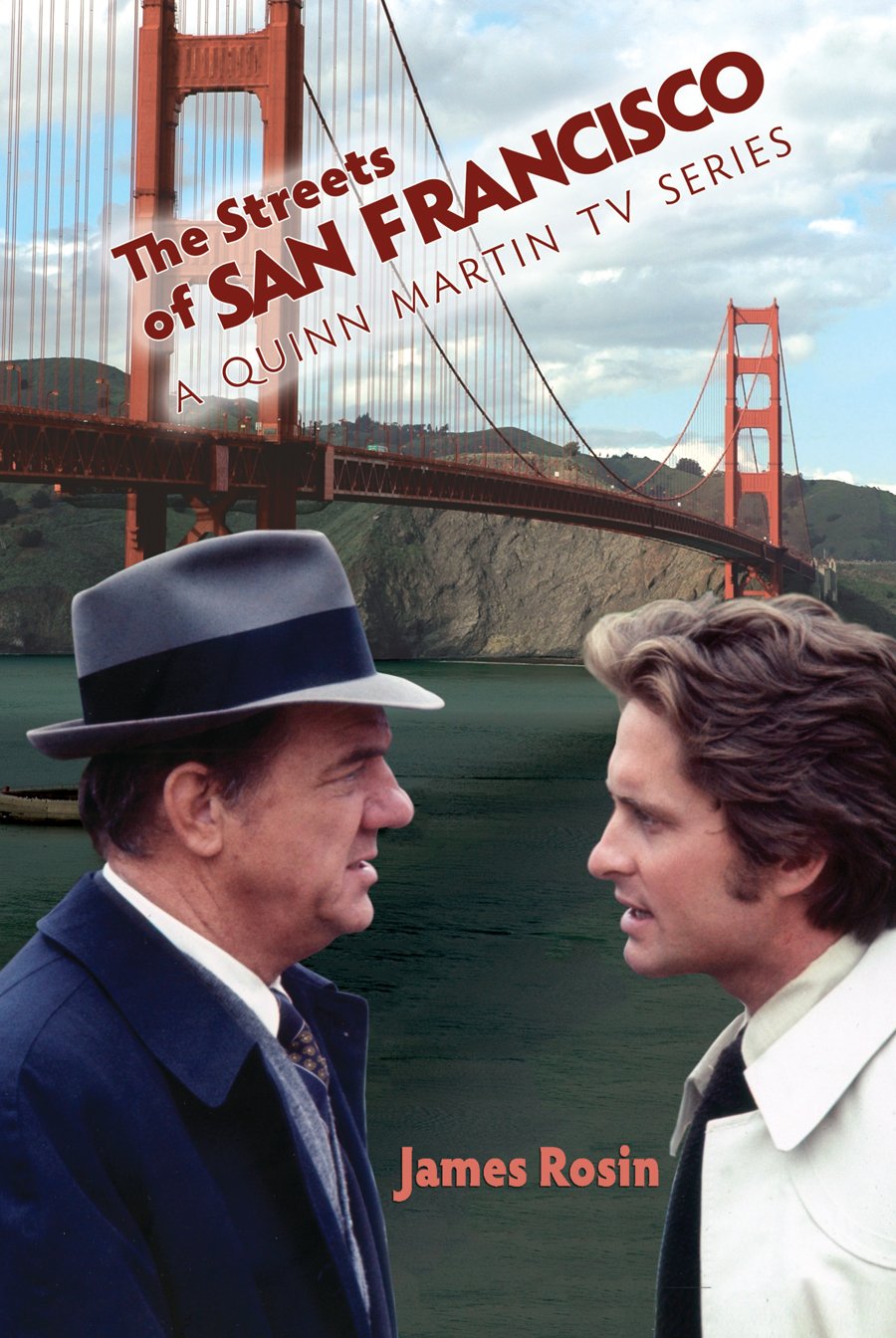 The Streets of San Francisco(1972)as Paula Cooper
 Ironside(1967)as Carrie Thomas, Cindy Wile
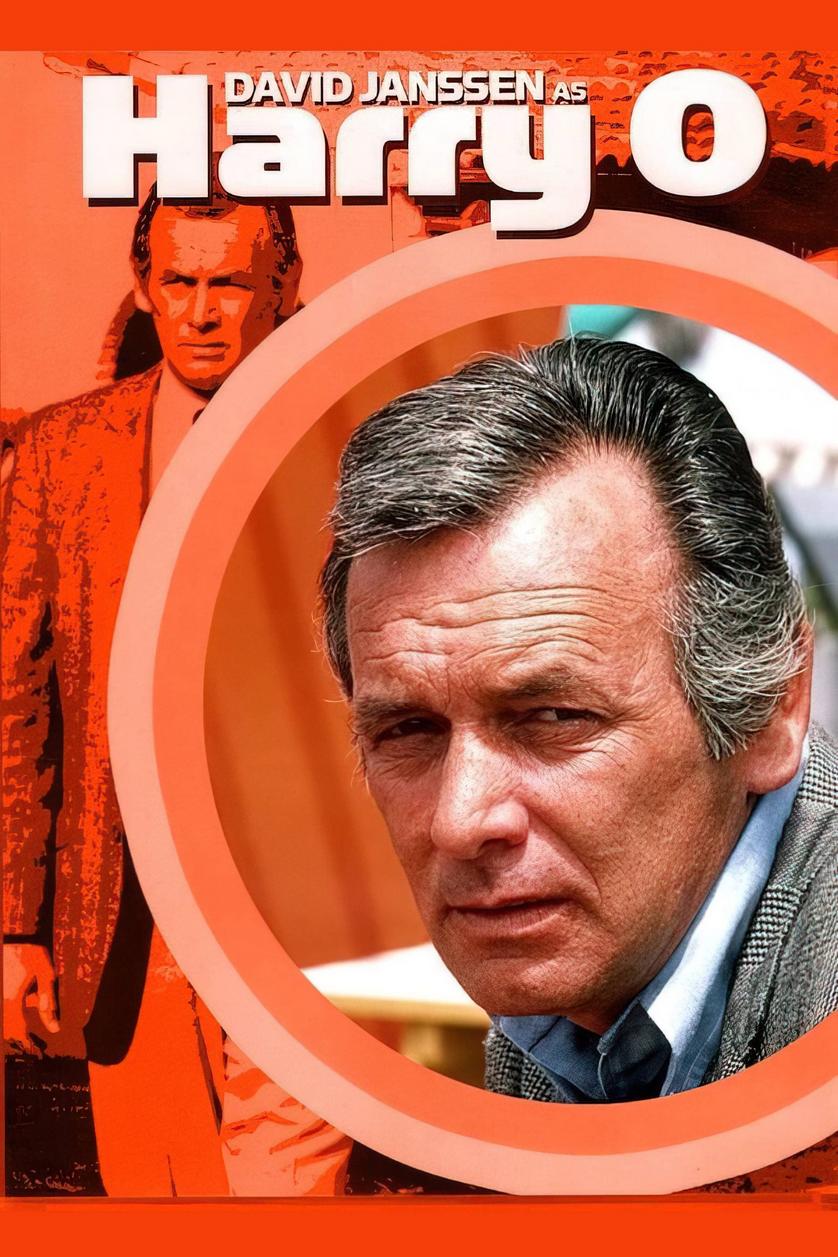 Harry O(1973)as Joyce Greenbaum
 Dear Ruth(1947)
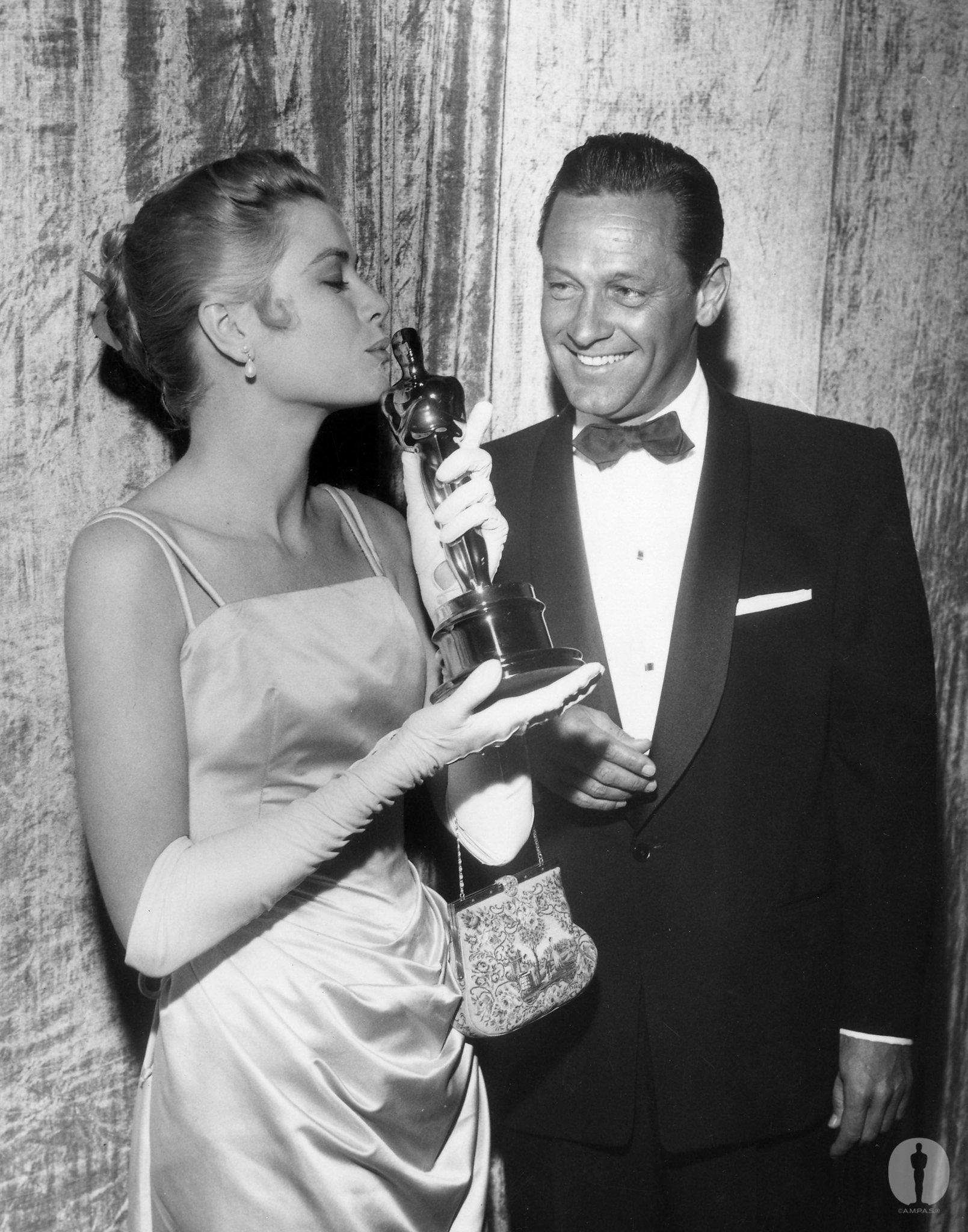 The 27th Annual Academy Awards(1955)as Self - Audience Member
 Histoire bruyante de la jeunesse(2020)as Self
 Ban the Sadist Videos! Part 2(2006)as Self
 Heavy Petting(1989)


