Andrei Pavloich Petrov was born on September 2, 1930, in Leningrad,
Russia. His father was a medical doctor, his mother was an artist, his
grandfather was the famous Russian artist Petr Vaulin. Petrov graduated
from the Leningrad Conservatory of Music (1954). His early film music
for 'Chelovek-Amfibia' (The Amphibian Man 1962) and 'Ya shagayu po
Moskve' (I Step Through Moscow 1963) became very popular in Russia and
brought him international recognition.
Dmitri Shostakovich promoted Andrei Petrov to Chairman of the Leningrad Composer's
Union in 1963. At that time the cultural revival in the Soviet Union
known as the "Thaw" was initiated by
Nikita Khrushchev. Andrei Petrov was the
leader among composers of his generation. He set higher standards and
influenced many young talented professionals who contributed to art and
culture. Petrov was the Chairman of the Leningrad (St. Petersburg)
Composer's Union for over forty years. He was also the founder and
director of the Leningrad/St. Petersburg Music Spring Festival. Petrov
made a remarkable career as a film composer. He worked with such film
directors as
Eldar Ryazanov,
Georgiy Daneliya,
George Cukor,
Daniil Khrabrovitsky,
Leonid Menaker, and
Aleksei German
among many others. He composed music scores for over 80 films and was
the Member of the Jury at the Cannes Film Festival (1981). His ballet
"The Creation of the World" had its international premiere in London
and earned international critical acclaim. His opera "Peter the First",
symphonic and chamber pieces, choral music and popular songs are
performed worldwide. Petrov orchestrated the "Patriotic Song" by
Mikhail Glinka, which served as Russian national anthem after the breakup of
the Soviet Union, until the Soviet-era anthem was brought back in 2001.
Petrov's last ballet "Master and Margarita", based on the eponymous
book by
Mikhail A. Bulgakov, shows the conflict between good and evil through the
language of music, theater and dance.
Andrei Petrov's music is loved by millions in Russia and
internationally. His music recordings were among the bestsellers. Many
of his popular hits from the 60s and 70s are still hot today. Petrov
recently orchestrated his own film themes for symphonic performances,
which became an instant success, proving Petrov to be the classic of
Russian music. He died of a cerebral hemorrhage on February 15, 2006,
in St. Petersburg, Russia. He was laid to rest in the "Literatorskie
Mostki" in the Volkovskoe Cemetery, in St. Petersburg, next to
Nikolai Leskov,
Ivan Turgenev,
Ivan Goncharov, and other Russian culture luminaries.
 Golubyye goroda(1985)as Composer
 Nebesnaya zhizn(2005)
 Chernyy prints(2004)
 Bednyy, bednyy Pavel(2003)
 Klyuch ot spalni(2003)
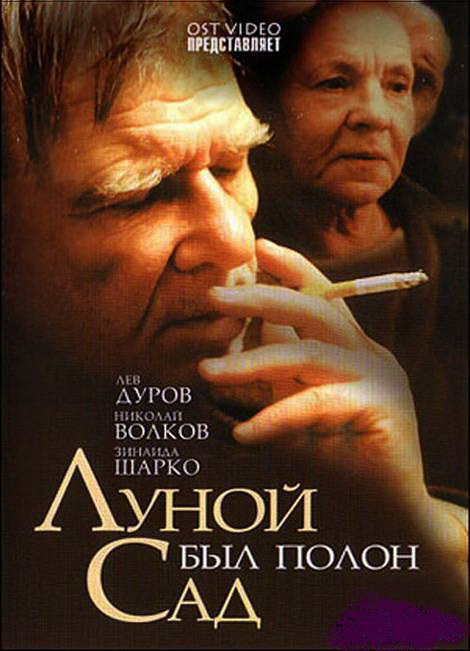 Lunoy byl polon sad(2000)
 Jump(2018)
 Svet moy(2008)
 The Blue Bird(1976)
 Vremya(1968)
 The Machine(2023)
 Golos(2012)
 MosGaz(2012)
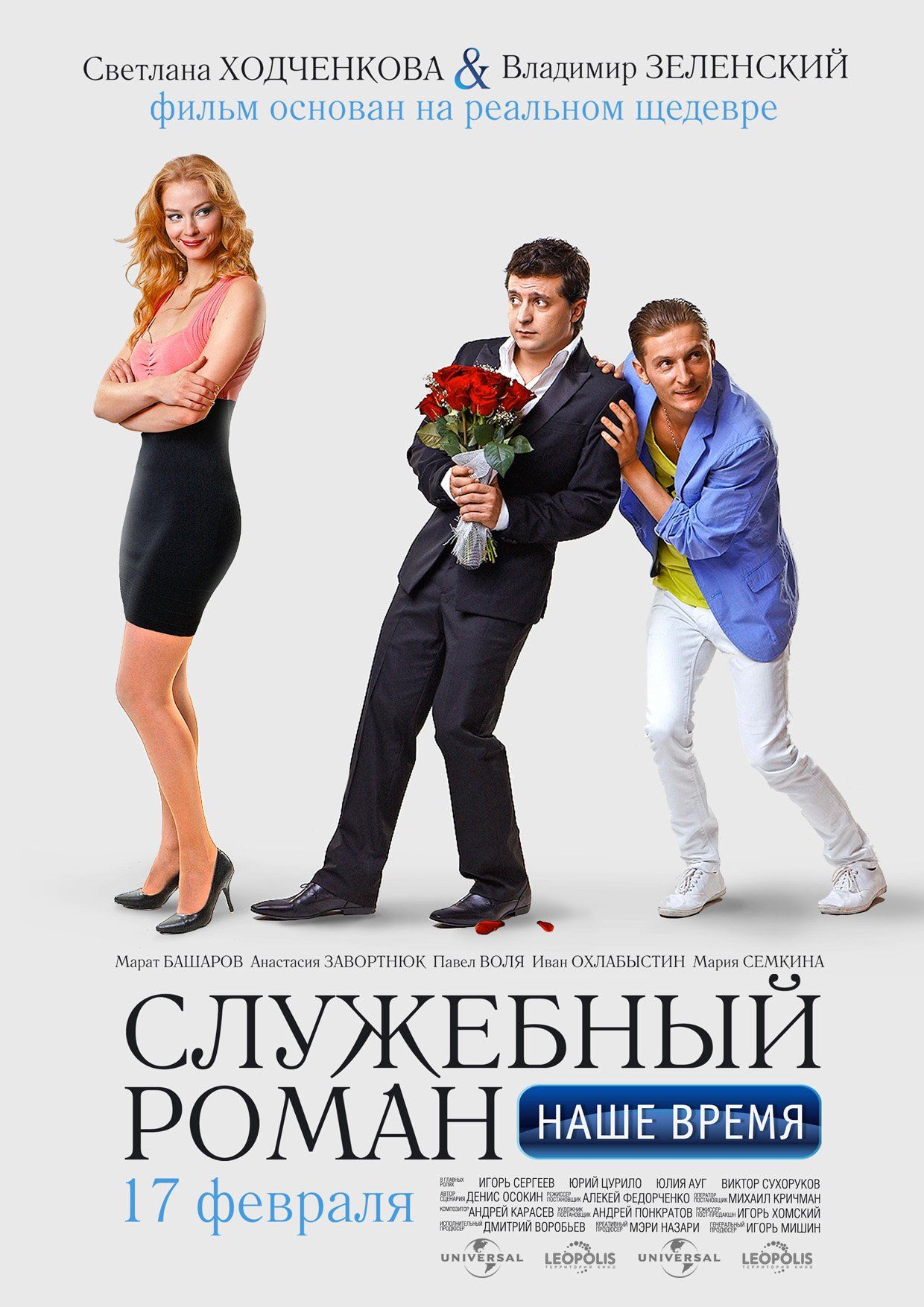 Sluzhebnyy roman. Nashe vremya(2011)
 Bozhestvennaya Glikeriya(2004)as Self
 40 let spustya: intervyu s sozdatelyami i uchastnikami filma Chelovek-amfibiya(2001)as Self - narrator
 Leningrad(1978)as Self - the composer
 Kak ukhodili kumiry(2005)as Self