Years before
Jack Thompson arrived
on the scene, Chips Rafferty was regarded by many as the
personification of the stereotypically rugged, straightforward and
laconic Aussie male. Tall and thin, though not particularly striking in
appearance, Rafferty was a tailor-made star for the austere,
modestly-budgeted dramas made 'down under' in the 1940s and 50s. His
most individual aspect was in not being remotely reminiscent of any
other leading contemporary British or American actor. In his youth,
Chips had learned boxing and the art of horsemanship. He also displayed
an affinity for painting watercolours. By the time he entered the film
industry as an extra with Cinesound Studios in 1939, John William
Pilbean Goffage (nicknamed 'Chips' since schooldays) had already seen a
great deal of life as a sheep-shearer, drover, roo hunter, gold
prospector and cellarman in a wine bar. One of his more exotic
activities also included that of a 'false teeth packer'. On the side,
he also wrote poems and short stories which he sold to several Sydney
publications. His first stint on the stage was as assistant and comic
foil to a magician.
After his inauspicious screen debut in 1939, Chips came to the
attention of film maker
Charles Chauvel
who assigned him a rather more roguish-sounding surname and proceeded
to cast him as a heroic 'digger' in his patriotic wartime drama
40,000 Horsemen (1940). The
resulting box-office success, both at home and abroad, led Chauvel to
repeat the exercise with
The Rats of Tobruk (1944).
After wartime duties with the RAAF, Chips managed to persuade British
director
Harry Watt to star him in the
pivotal role of tough cattle drover Dan McAlpine in
The Overlanders (1946). This
defined the Rafferty screen personae to such an extent, that he
continued to play variations on the theme pretty much throughout the
remainder of his career.
Under contract to Ealing, Chips had a brief sojourn in England opposite
Googie Withers in
The Loves of Joanna Godden (1947),
followed by an integral part in
Eureka Stockade (1949). In the
early
50s, he co-founded - and invested much of his own money in - a short-lived production company, Southern International (in conjunction with the director
Lee Robinson).
They turned out a few unambitious adventure films like
Return of the Plainsman (1953)
and
King of the Coral Sea (1954).
Chips appeared in these as the nominal star. For the most part however, lucrative film work
was to be found only in Hollywood: in feature films, like
Kangaroo (1952),
Mutiny on the Bounty (1962)
and
The Sundowners (1960); or as
guest star in television episodes, ranging from
Gunsmoke (1955) to
Tarzan (1966). He remained for many
years Australia's most popular and quintessential actor, an archetypal
anti-establishmentarian, irreverent in humour, honest and
uncomplicated. His penultimate performance as an outback cop in
Wake in Fright (1971) is often
cited as one of his best.

 Made in Australia(1962)
 Walk Into Hell(1956)
 King of the Coral Sea(1954)
 Spyforce(1971)as Leon Reilley
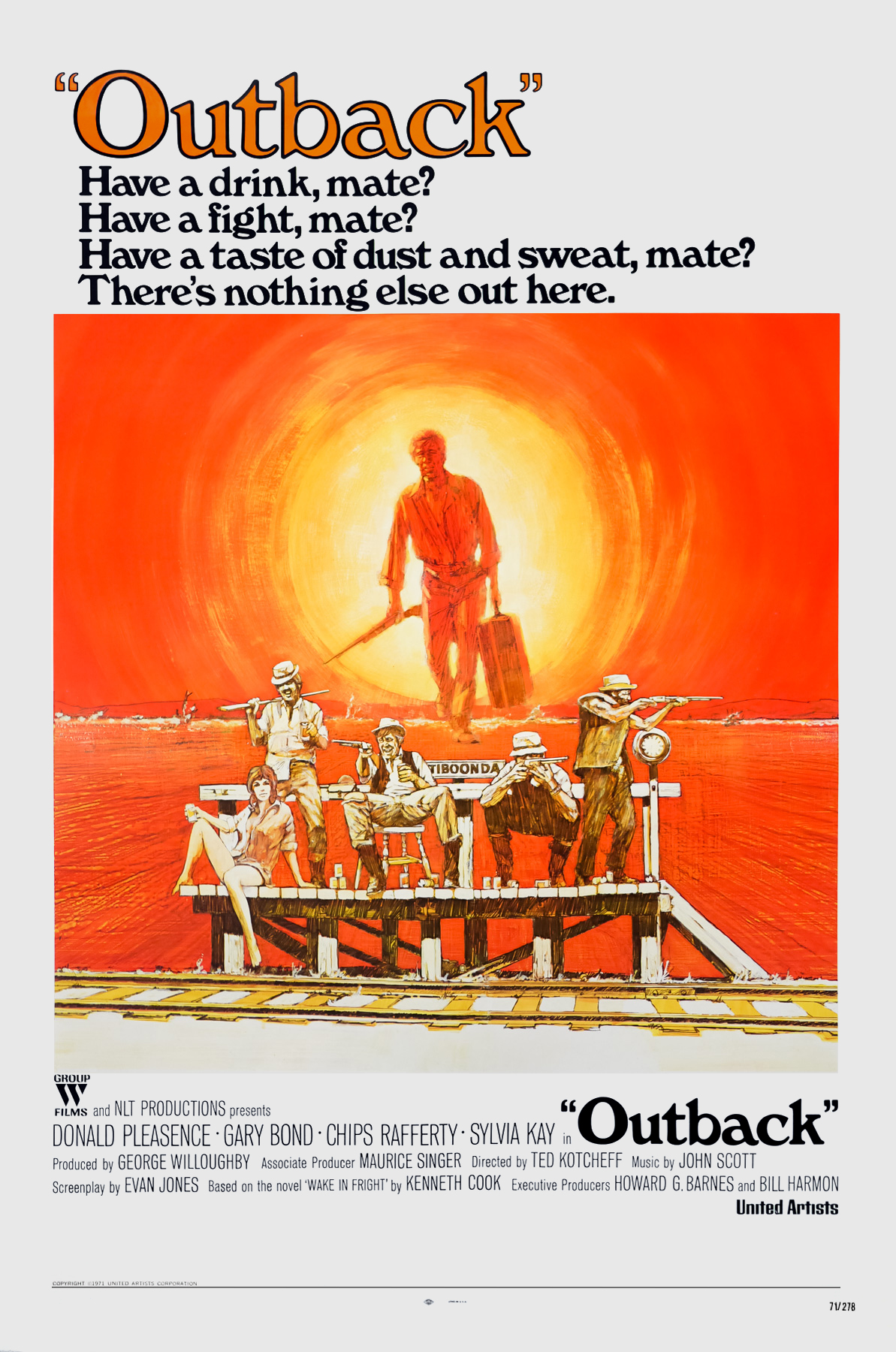 Wake in Fright(1971)as Jock Crawford
 Dead Men Running(1971)
 Skullduggery(1970)as Father 'Pop' Dillingham
 The Restless and the Damned(1959)
 Dust in the Sun(1958)
 The Stowaway(1958)
 The Story of Making the Film They're a Weird Mob(1966)as Self (interviewed)
 Bandstand(1958)as Self
 TV Spells Magic(1965)
 Startime(1962)as Self (guest)
 7.30(2006)as Harry Kelly
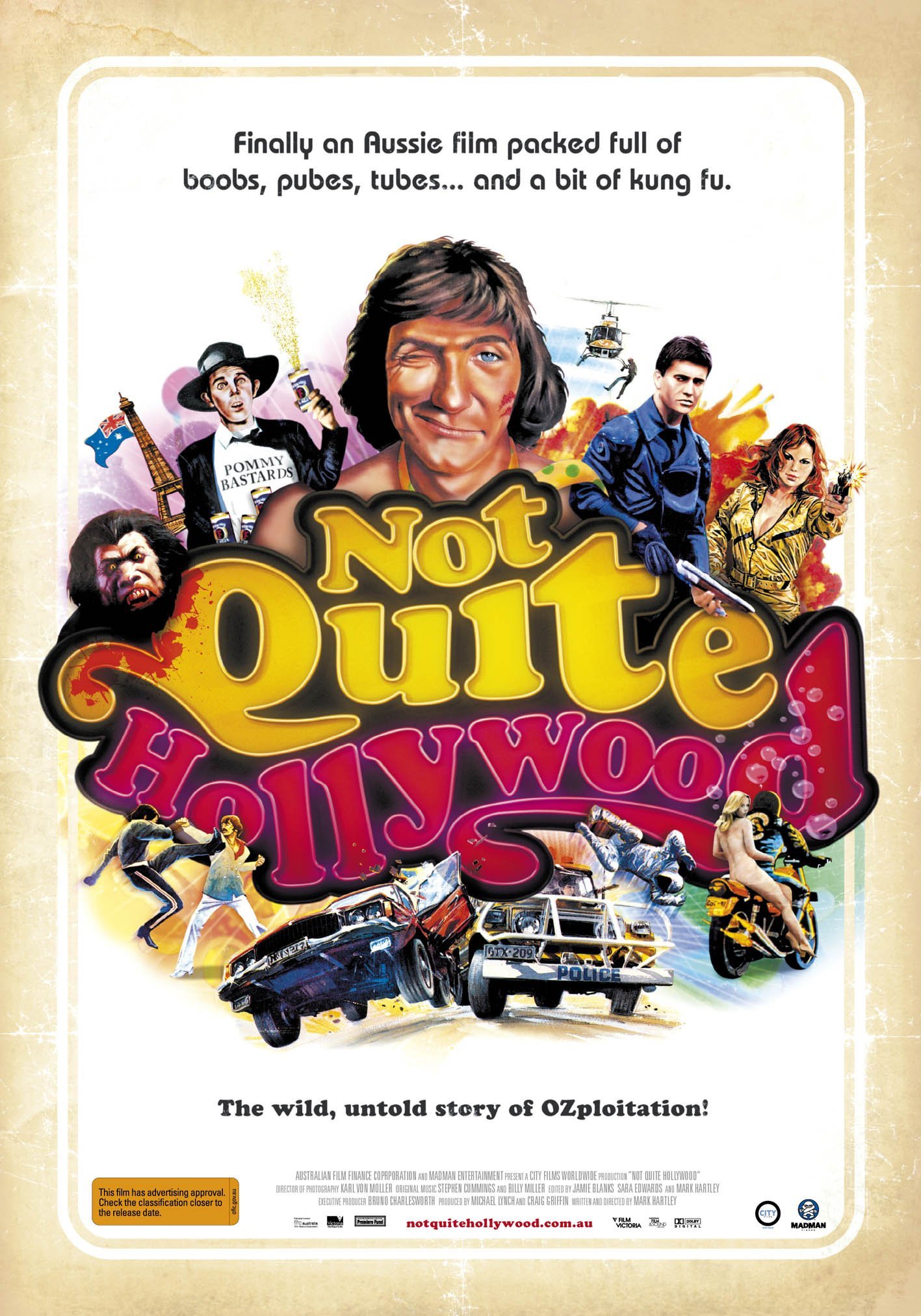 Not Quite Hollywood: The Wild, Untold Story of Ozploitation!(2008)as Self - Actor
 Century of Cinema(1995)as Jim, Harry Kelly
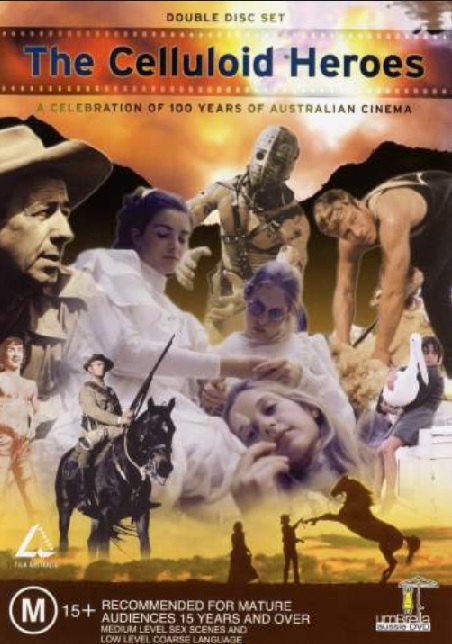 The Celluloid Heroes(1995)as Self


