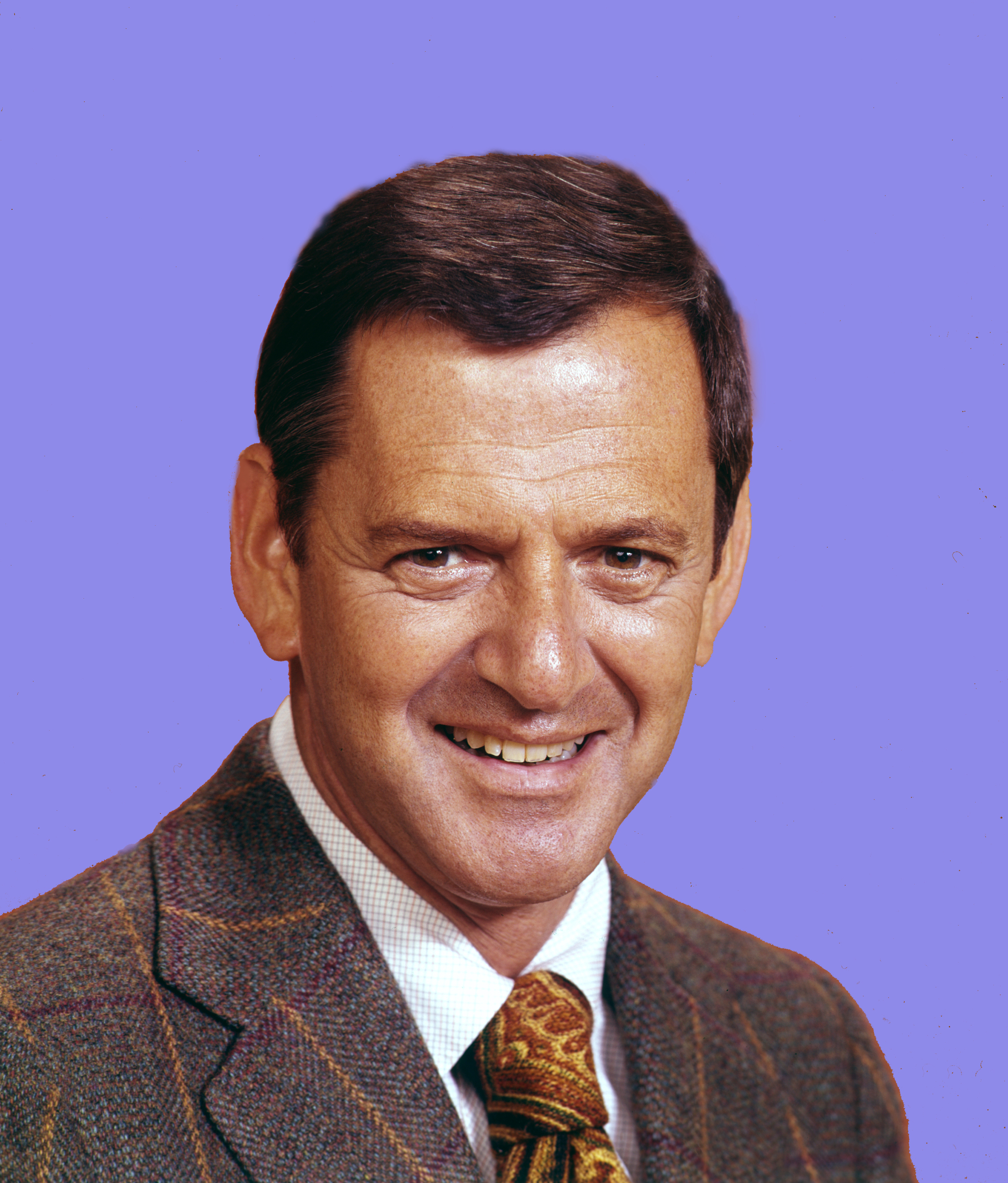
Tony Randall was born on February 26, 1920 in Tulsa, Oklahoma as Aryeh Leonard Rosenberg. He attended Tulsa Central High School and later Northwestern University and New York City's Neighborhood Playhouse School of the Theatre. After graduating, he starred in two plays:
George Bernard Shaw's 'Candida' alongside
Jane Cowl and
Emlyn Williams' 'The Corn Is Green' alongside
Ethel Barrymore. After four years with the United States Army Signal Corps in World War II, Randall found work at Montgomery County's Olney Theatre before heading back to New York City to continue his acting career.
During the 1940s, Randall appeared mostly in supporting roles in Broadway plays. He was given his first leading role in 1955 with 'Inherit the Wind'. Randall managed to nab a Tony Award nomination for his starring role in 1958's 'Oh, Captain!', although the play itself bombed.
His first role in a feature film came about in 1957, playing a supporting character in the
Ginger Rogers vehicle
Oh, Men! Oh, Women! (1957). The same year, he received a Golden Globe nomination for his role as the titular writer for television advertising in the satirical comedy
Will Success Spoil Rock Hunter? (1957). Randall also lent his support to the three famous
Doris Day-
Rock Hudson pairings
Pillow Talk (1959),
Lover Come Back (1961), and
Send Me No Flowers (1964), securing Golden Globe nominations for the former two. Randall worked quite prolifically throughout the 1960s; notable roles include a public relations employee in the
Marilyn Monroe romantic musical
Let's Make Love (1960), seven quite different characters in the oddball
7 Faces of Dr. Lao (1964), iconic detective Hercule Poirot in
The Alphabet Murders (1965), an architect who inadvertently releases a djinn in the fantasy
The Brass Bottle (1964), and a man who lives in an underwater house with his family in the adventure
Hello Down There (1969).
Randall's first major television role was as a history teacher on
Mister Peepers (1952); he joined the cast in 1955. After the series ended, he had numerous guest spots on such shows as
The United States Steel Hour (1953),
The Alfred Hitchcock Hour (1962),
Love, American Style (1969), and
Here's Lucy (1968). He wouldn't return to TV in a major role until 1970, when he played sardonic neat freak Felix Unger in ABC's
The Odd Couple (1970) opposite
Jack Klugman. He earned Emmy nominations for each season, finally winning in 1975 for its last. He later starred in
The Tony Randall Show (1976) as a Philadelphia judge, and
Love, Sidney (1981) as a gay artist. The former earned him one Golden Globe nomination and the latter earned him two. He reunited with Jack Klugman for the 1993 TV movie
The Odd Couple: Together Again (1993).
Both during and after his stints on TV, Randall had small roles in a few well-known films such as
Everything You Always Wanted to Know About Sex * But Were Afraid to Ask (1972),
The King of Comedy (1982),
My Little Pony: The Movie (1986), and
Gremlins 2: The New Batch (1990). He continued to guest-star on television shows, but would never return to the small screen as a leading man. He also continued to work on-stage, albeit infrequently.
Randall passed away in his sleep on May 17, 2004 of pneumonia he had contracted following coronary bypass surgery in December 2003. He is survived by his wife,
Heather Harlan, whom he wed in 1995, and their two children. Randall had previously been married to Florence Gibbs from 1938 until her death in 1992.
 It's About Time(2005)as Mr. Rosenberg
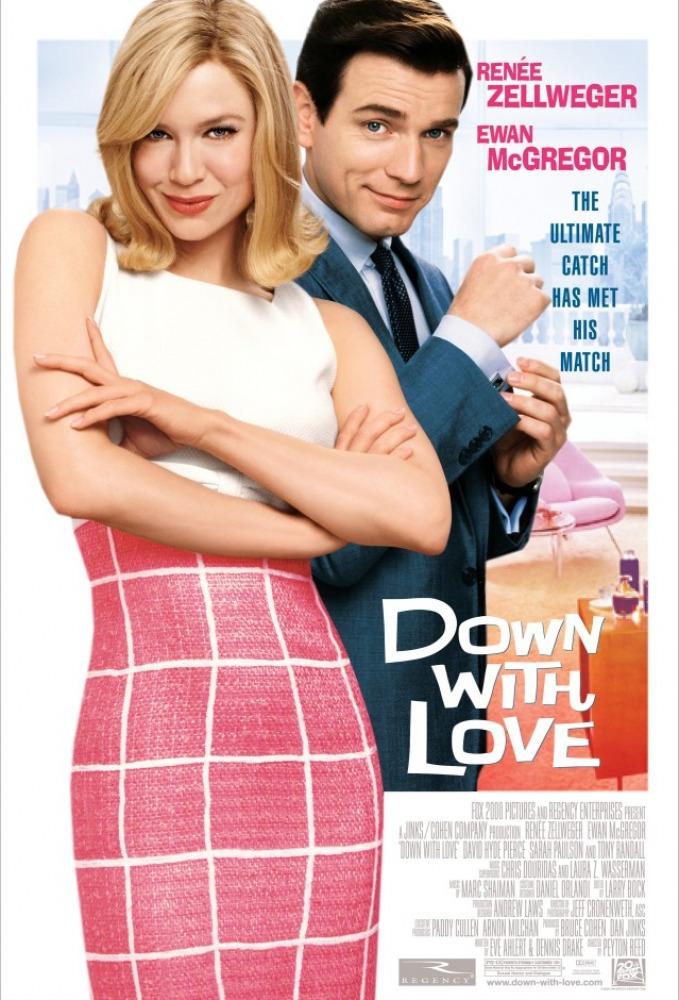 Down with Love(2003)as Theodore Banner
 Brother's Keeper(1998)as Tony
 How the Toys Saved Christmas(1996)as Mr. Grimm
 Late Night with Conan O'Brien(1993)as Travis Bickle
 Gremlins 2: The New Batch(1990)
 The 40th Annual Tony Awards(1986)
 Love, Sidney(1981)
 The 35th Annual Tony Awards(1981)
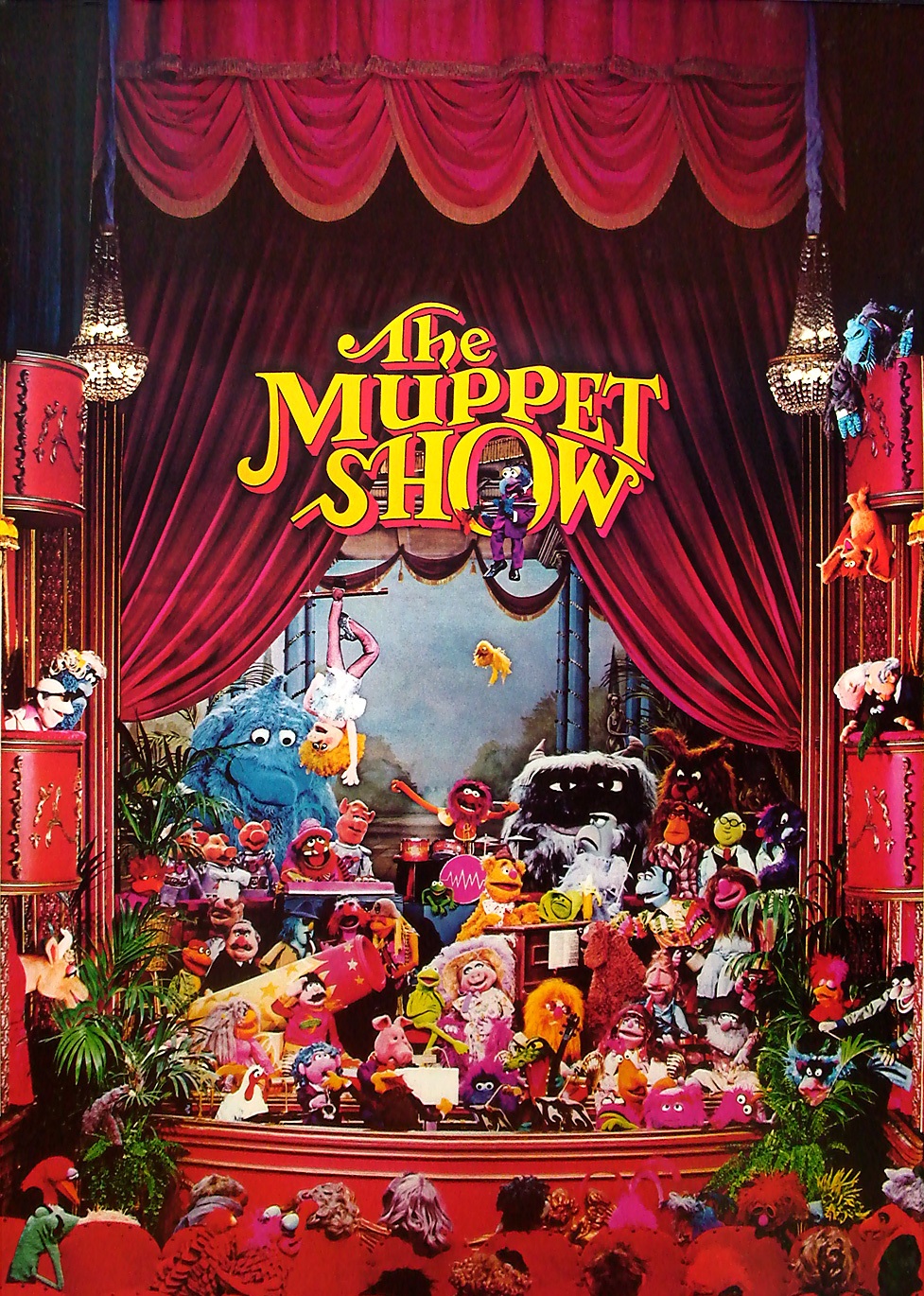 The Muppet Show(1976)
 TV Land Moguls(2004)as Self
 The Making of 'Down with Love'(2003)as Self
 Tribeca Film Festival Presents(2003)as Self
 National Memorial Day Concert(1989)as Self
 TV We Love(2025)as Self
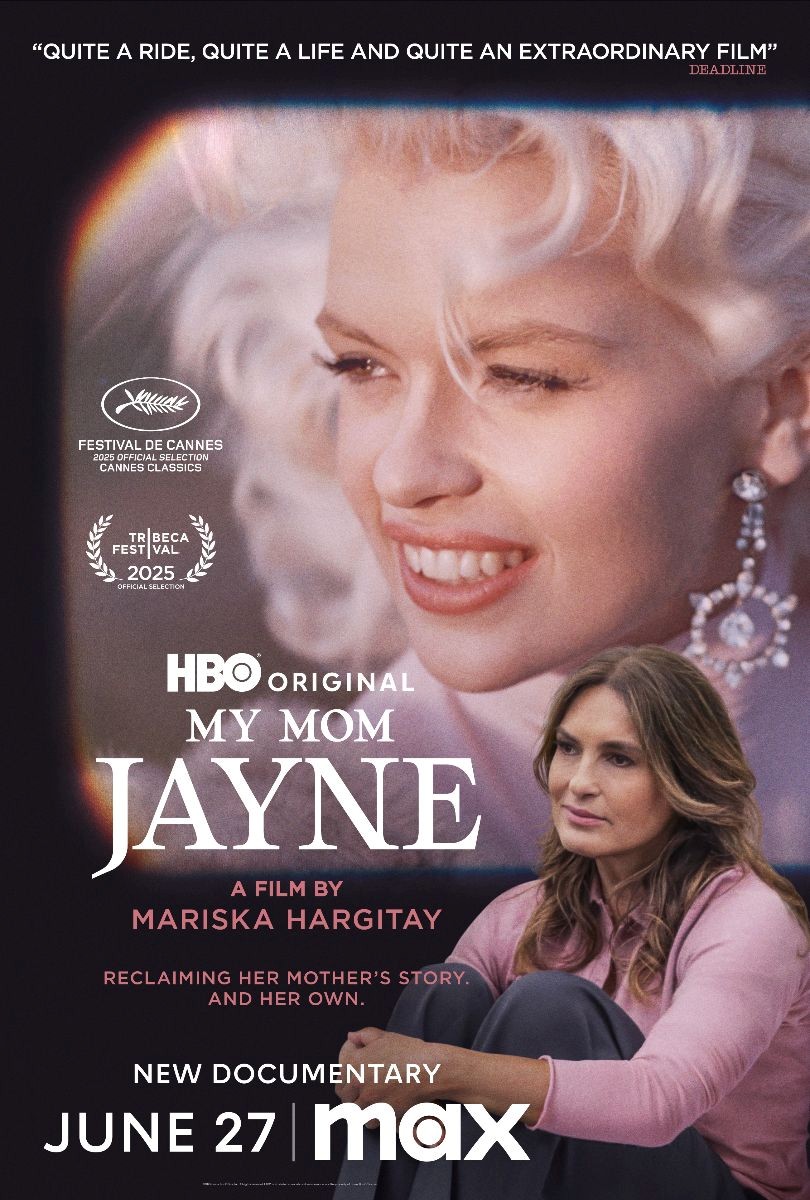 My Mom Jayne(2025)as Self
 TV on the Edge: Moments That Shaped Our Culture(2024)as Self
 The Project(2009)as Self - Actor


