Although he liked to sign his autographs, perhaps jokingly, "Milton
Gaylord Reid" his real name was Milton Rutherford Reid and he was born
in Bombay on 29 April 1917. His father Edgar William Reid was a
Scottish-born Customs and Excise inspector who had married an Indian
lady. Milton moved to London in 1936, settling in Shepherd's Bush, and
during his early career worked as a commercial traveller.
In 1939 he married fashion artist Bertha Lilian Guyett (a marriage that
lasted over 40 years), before war service as a cavalry trooper with the
22nd Dragoons. It was during this period that he first appeared on
film, in the army propaganda feature The Way Ahead (1944). After the
war he trained as a wrestler, turning professional in 1952, firstly as
a Tarzan-like character called Jungle Boy wearing leopard skin trunks.
He also continued to play small parts in films, usually as a tough guy
or bodyguard, often as a cruel henchman such as the Japanese
executioner in
The Camp on Blood Island (1958).
His breakthrough came in 1959 when he was required to shave his head
for the role of Yen the pirate in
Ferry to Hong Kong (1959). He
remained shaven-headed for the rest of his career, also changing his
wrestling image to that of The Mighty Chang, an oriental giant. On
stage he played in pantomime at the London Palladium as the Slave of
the Lamp, and in the Italian epics he usually played exotic roles or
menacing villains in adventures like
The Wonders of Aladdin (1961)
(The Wonders of Aladdin) and
Spartacus and the Ten Gladiators (1964)
(Spartacus and the Ten Gladiators) in which he had a memorable fight to
the death with
Dan Vadis. However, most people
remember Milton Reid as the bodyguard sorting out pretty girls for his
boss in a long-running pipe tobacco commercial. In 1964 Milton
challenged The Great Togo (a.k.a.
Harold Sakata) to a wrestling contest to
decide who would play the coveted role of Odd-Job in
Goldfinger (1964). Unfortunately,
Milton had already been killed off as a henchman in the first Bond
movie
Dr. No (1962), so the producers were
forced to pick Sakata and the "eliminator contest" wasn't needed,
although Milton did land the part of Sandor in a later Bond adventure,
The Spy Who Loved Me (1977).
Although he became a popular and familiar character actor in dozens of
films and television shows, the work did not produce immense wealth and
in 1965 Milton found himself in court for non-payment of a £52 car
repair bill, incurred when he was in Rome shooting spy movie
Desperate Mission (1965).
The kindly judge, however, ordered the debt to be repaid at ten
shillings (50 pence) per month, even inviting Milton to come back and
see him again if he was in any difficulty!
Having retired from wresting and with film parts becoming fewer, Milton
decided to try his luck in "Bollywood" and in 1980 returned to India.
However, various problems arose and in 1981 he was arrested by Indian
police for "trespassing, damaging furniture and disconnecting a
telephone." The trouble started when he visited his mother and sister
in Bangalore, and there was a dispute with tenants at his sister's
bungalow. Police also complained of violence and abuse when they tried
to detain him, and there were accusations of a manservant being
assaulted.
The following year Milton was stated by some reference works to have
died from a heart attack, but that was incorrect. The actor's son (same
name) was still receiving correspondence sent by his father from
Bangalore up to December 1986. Significantly, nothing was heard after
that date, and the present assumption is that Milton Reid died in
obscurity somewhere in India during the early part of 1987, although no
death certificate or confirmation has been received by the family.
Sadly, Bertha died in England in 1997, at the age of 90, still not
knowing what had become of her husband. However, research continues.
Special thanks to Milton Reid (junior) for his kind help in the
preparation of this biography.

 Kala Dhanda Goray Log(1986)as Jabba
 Telephone(1985)
 West Country Tales(1982)as The Beast
 Cannon and Ball(1979)
 A Stitch in Time(1963)
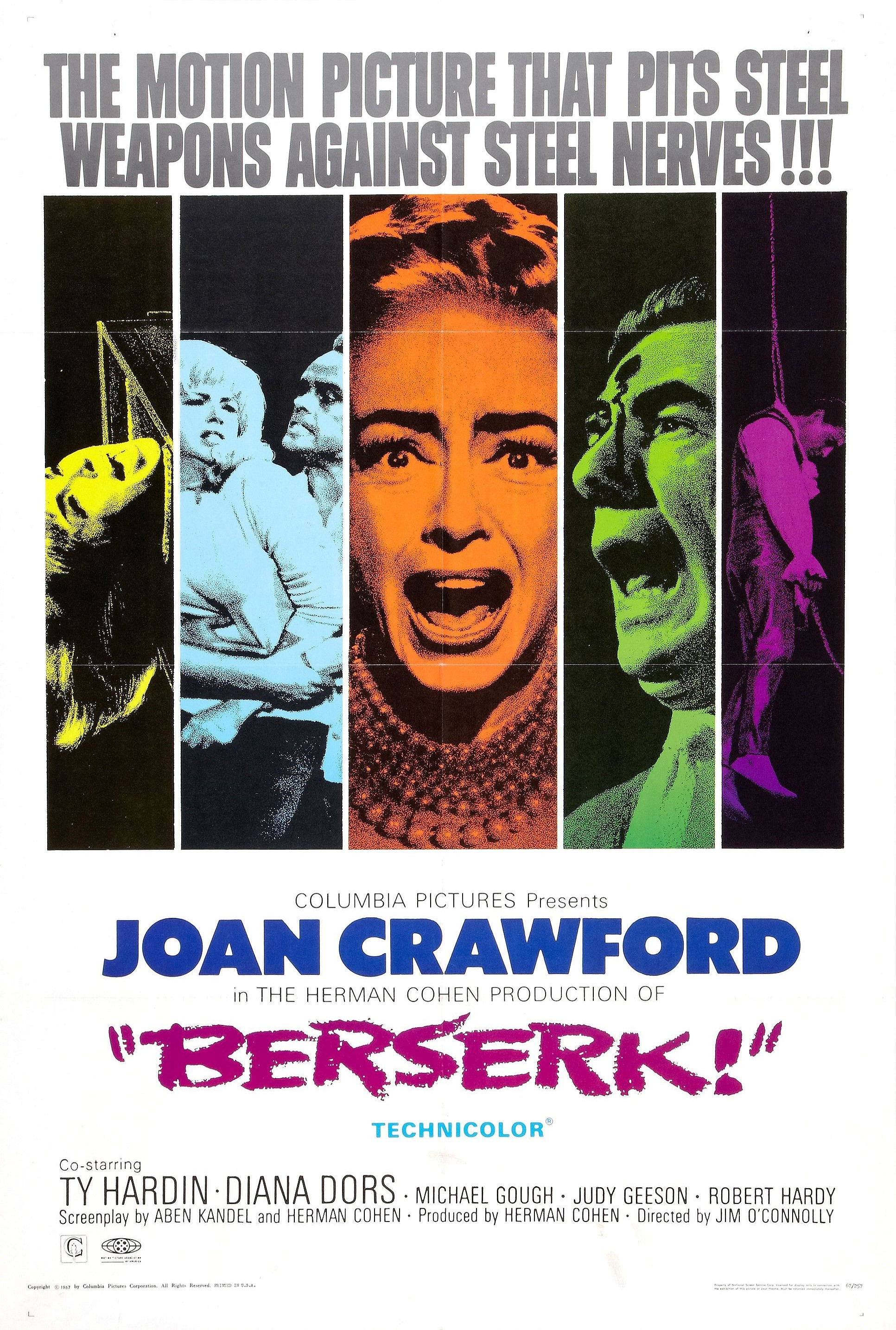 Berserk(1967)
 The Generation Game(1971)as Self - Surprise Guest
 Frost on Sunday(1968)as Self
 World of Sport(1964)as (1964)
 Premium Bond with Mark Gatiss and Matthew Sweet(2015)as Sandor
 James Bond: A BAFTA Tribute(2002)
 The James Bond Story(1999)as Sandor
 The Rolling Stones Rock and Roll Circus(1996)as Strongman


