New York-born William Reynolds was a self-effacing editor with a
distinguished sixty-year career in the motion picture industry, noted
for his unobtrusive, seamless work on movies of every genre, from
romantic melodramas to gangster films. A graduate of Princeton
University, he started in the business, moving props as part of the
20th Century Fox swing gang. Displaying a keen interest in the art of
editing, he was taken under the wing of the experienced
Robert L. Simpson, whom he accompanied
to Paramount as assistant in 1935. After just two years, Reynolds was
promoted to full editor, his most prestigious assignment being
Algiers (1938). In 1942, he moved across
to 20th Century Fox, but wartime service put a temporary halt to his
career. However, he did manage to sustain continuity by editing U.S.
Army training films.
From 1946, Reynolds was part of a top-notch editing team assembled by
Darryl F. Zanuck, himself a former
editor and famous for his hands-on approach to post-production. During
the remainder of his tenure at Fox, Reynolds cut some of the studio's
best films, including the excellent sci-fi classic
The Day the Earth Stood Still (1951);
and glossy romances and musicals like
Three Coins in the Fountain (1954)
and
Love Is a Many-Splendored Thing (1955).
Reynolds was a frequent collaborator and preferred editor for directors
like
Robert Wise and
Joshua Logan. He did some of his
most acclaimed work after free-lancing for three years, back at Fox, on
The Sound of Music (1965) --
winning an Oscar and caustically commenting, "when in doubt, cut to
Julie Andrews" (NY Times, July 22 1997)). Free-lancing again from 1970,
he edited the first half of
The Godfather (1972)
(
Francis Ford Coppola assigned the
second half to
Peter Zinner) and
The Sting (1973) (which Reynolds
regarded as one of his most demanding assignments). However, towards
the end of his career, he was also involved in several significant
commercial failures:
Heaven's Gate (1980) -- on which he
also acted as executive producer,
Pirates (1986) and
Ishtar (1987). In 1977, Reynolds was named
by his peers in a Film Comment poll as one of the three best-ever film
editors.

 Time Limit(1957)
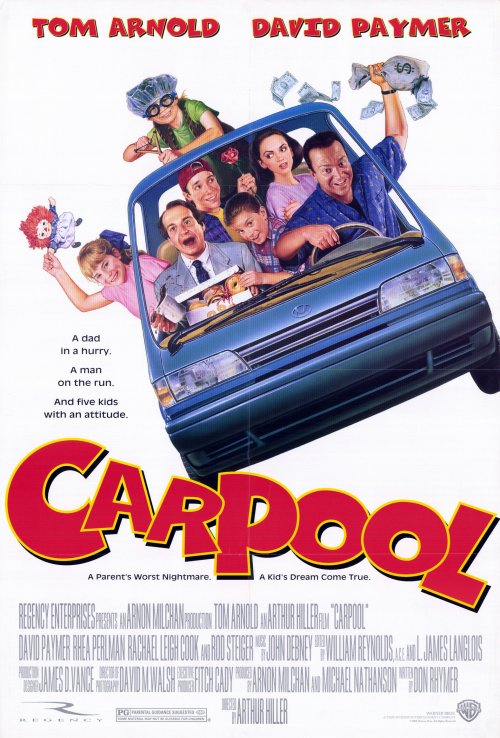 Carpool(1996)
 Gypsy(1993)
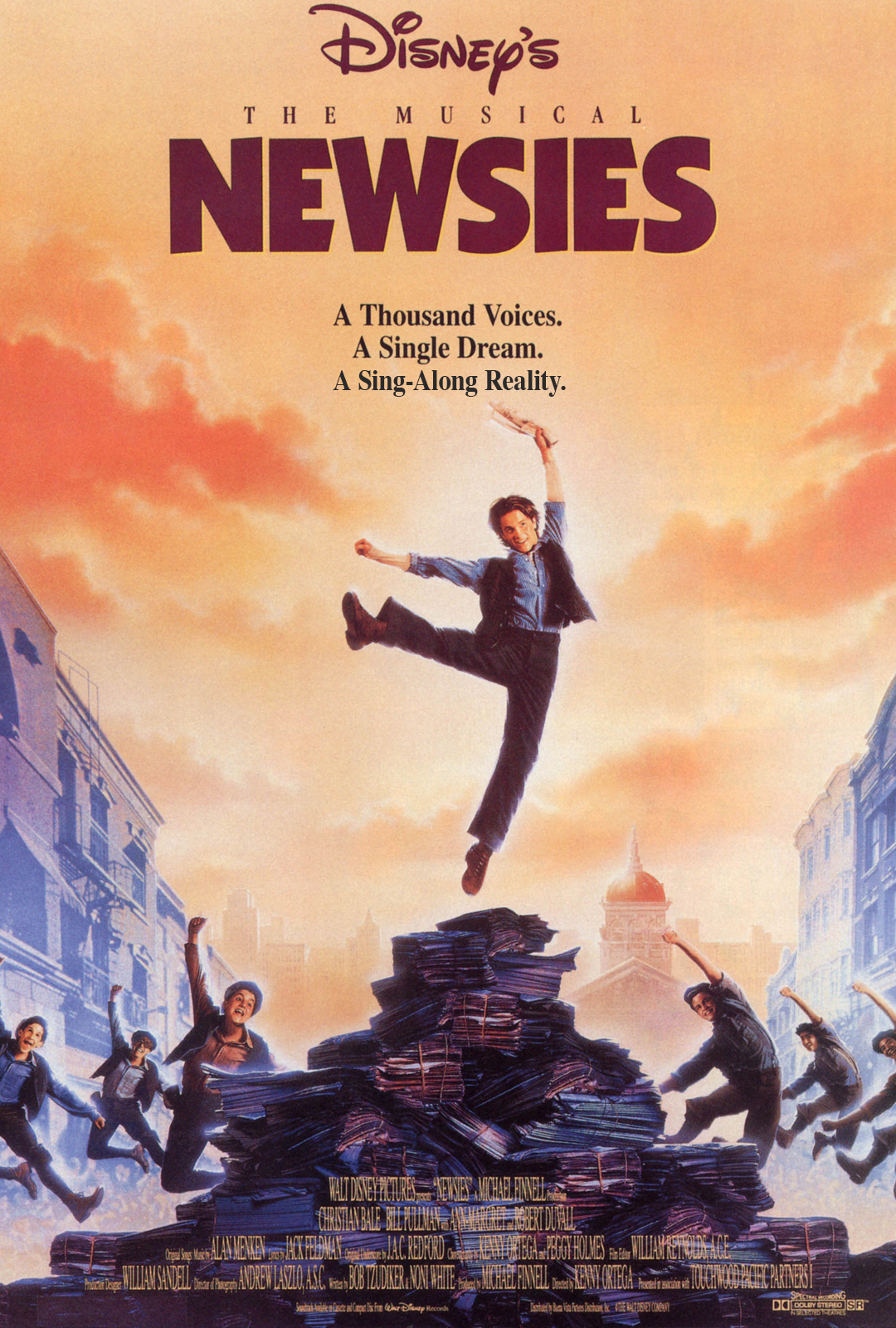 Newsies(1992)
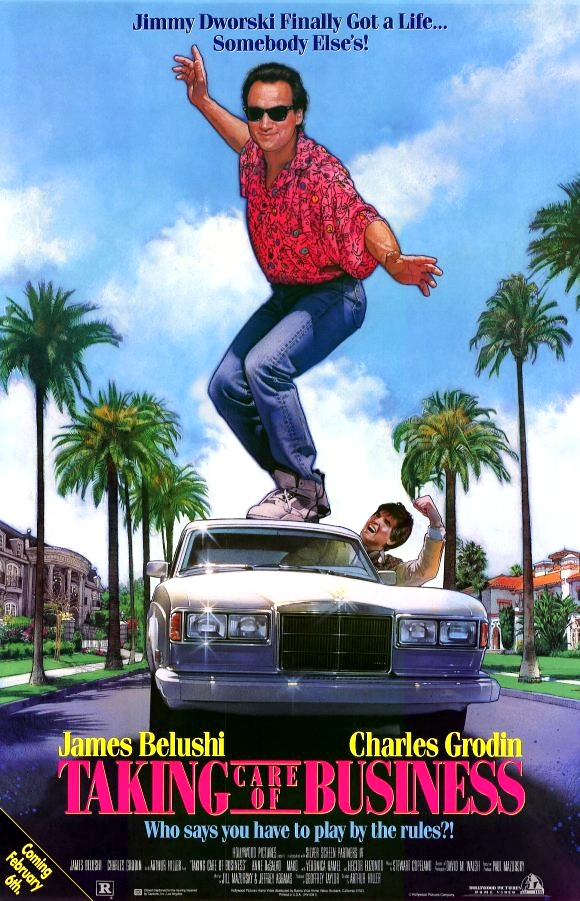 Taking Care of Business(1990)
 Rooftops(1989)
 Heaven's Gate(1980)
 The Seven-Per-Cent Solution(1976)
 Spendthrift(1936)
 Palm Springs(1936)
 Big Brown Eyes(1936)
 Her Master's Voice(1936)
 The Sound of Music: From Fact to Phenomenon(1994)
 Hidden Hollywood: Treasures from the 20th Century Fox Film Vaults(1997)as Self
 20th Century-Fox: The First 50 Years(1997)as Self
 Biography(1987)as Self - Film Editor
 The 70th Annual Academy Awards(1998)as Self (Memorial Tribute)