Svyatoslav Richter, one of the greatest pianist of the 20th century who
was largely self-taught, had survived traumatic events and restrictions
on his concert tours during the Soviet era and was widely recognized as
the leading pianist of his time.
He was born Svyatoslav Teofilovich Richter on March 20, 1915, in
Zhitomir, Russian Empire (now Zhitomir, Ukraine). Young Richter grew up
in Odessa, He took some music lessons from his organist father, but
remained largely self-taught and practiced his piano rigorously. He was
an excellent sight-reader, and was hired as accompanist at opera
rehearsals at Odessa Conservatory and Odessa Opera House. At the age of
22 Richter was already an accomplished pianist; he was admitted to
Moscow Conservatory without an entrance exams, because his talent was
so obvious to Heinrich Neuhaus, the Chair of piano. While a student at
the Moscow Conservatory Richter performed the 5th Piano Concerto by
Sergei Prokofiev - to a sensational success. Richter was not informed by
authorities, that at the same time his father was executed by firing
squad in Odessa, upon the order of the Soviet authorities, in 1941.
After such a painful experience Richter became a very quiet man. He
expressed himself by playing music. He never joined the communist party
or any of its affiliations, and was known for skipping compulsory
political lessons and being expelled from Moscow Conservatory twice.
For political reasons Richter was restricted to concerts only within
the Soviet Union until 1959, when the "Thaw" was initiated by
Nikita Khrushchev.
In 1960 Richter was invited by impresario
Sol Hurok and made eight
sensational concerts in Carnegie Hall. His following world-wide concert
tours brought him international acclaim and unofficial status of the
leading pianist. His regular stage partners were
David Oistrakh, whom Richter
knew from their childhood in Odessa, and
Mstislav Rostropovich. Starting from 1946
Richter often performed with his wife, Nina Dorliak, a mezzo-soprano.
Richter was especially partial to baritone
Dietrich Fischer-Dieskau.
Richter possessed a legendary ability of memorizing new musical
material and playing it flawlessly. In one well-known episode Richter
had only one night to memorize a difficult ninth piano sonata by
Sergei Prokofiev, and he gave an acclaimed premiere performance of the sonata on
the next day. Richter was also highly sought after as an ensemble
player. His sight-reading of a new score was impeccable which also made
him a highly demanded recording artist. He had a special talent for
harmonizing the sound within ensembles he played with, due to his gift
of listening, instant attunement, and complementing the performances of
his fellow musicians.
Svyatoslav Richter was widely recognized as the leading classical
pianist of the 20th century. His live concerts as well as his
recordings belong among the highest achievements in the art of piano
performance. Richter was widely admired for his ability to create magic
with his piano playing and for his special presence on stage, as well,
as for his wit and wisdom off stage. In his numerous concert
performances he demonstrated a rare technical finesse, exquisite
phrasing, and impressive tone control. He was very serious about the
quality of his piano and was known for touring with his own piano which
was maintained exclusively by his technician.
Svyatoslav Richter was the founder of several international music
festivals, such as the famous December Nights Festival at the Pushkin
Museum of Arts in Moscow. He launched the Music Festival in Touraine,
France. In his later years Svyatoslav Richter moved from Russia to
Europe. He died in France in 1997.
 The Loves of Liszt(1970)as Pianist
 Man of Music(1952)as Franz Liszt
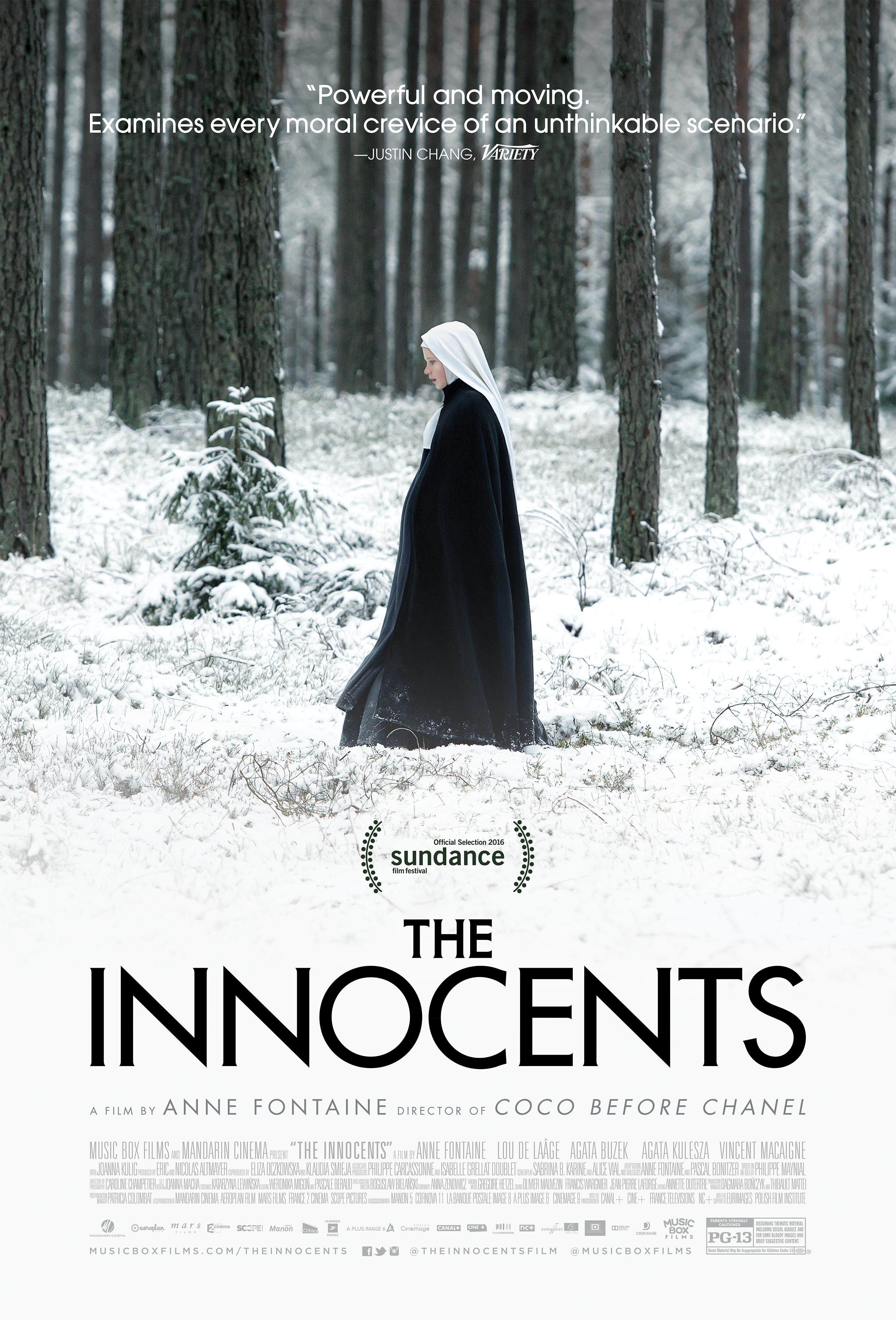 The Innocents(2016)
 Stories from My Childhood(1998)
 Pictures from the Exhibition(1984)
 Diana(2013)
 The Quiet Family(1998)
 Die Nacht(1985)
 Richter: The Enigma(1998)as Self
 M.P. Musorgskiy. Romansy i pesni(1986)as Self - Pianist
 M.I. Glinka. Romansy(1984)as Self - pianist
 The South Bank Show(1978)as Self
 Spoleto 1967(1967)as Self
 Mstislav Rostropovich: The Indomitable Bow(2018)as Self
 The Bruno Monsaingeon Edition, Volume 3: Sviatoslav Richter & Gennadi Rozhdestvensky(2016)as Self
 Britten: Nocturne(2013)as Self
 Kak ukhodili kumiry(2005)as Self