Charlie Rose is the elegant, handsome, fiercely intelligent and inquisitive host of the
self-titled
Charlie Rose (1991).
Rose was born Charles Peete Rose, Jr. on January 5,
1942 in Henderson, North Carolina, the only child of Margaret (Frazier) and Charles Peete Rose, Sr., tobacco farmers. The Rose family lived
near the railroad tracks in Henderson, in rooms above the general store
that his parents owned and managed, and where Charlie helped
out. After graduating from high school, where he starred on the
basketball team, Rose entered Duke University as a pre-med student. His
extra-curricular activities included working with children in a Head
Start program. One summer, he secured an internship in the office of
North Carolina senator B. Everett Jordan. According to him, his
experiences as an intern turned him into a "political junkie" and, upon
returning to college, he changed his major to history. After receiving
an A.B. degree in 1964, he entered the Duke University School of Law
but, sometime before or shortly after earning a J.D. degree in 1968, he
realised that the practice of law held little interest for him.
Inspired by the idea of "building something" as an entrepreneur, he
started taking classes at the New York University Graduate School of
Business (he had moved to New York City in 1968) and accepted a job at
Bankers Trust. Through his wife, who was doing research for the CBS
television show
60 Minutes (1968), Rose became friendly with people employed in
broadcasting and he developed what soon became a passionate interest in
the broadcast media. After his wife was hired by the BBC in the United
States, he handled some assignments for the BBC on a freelance basis.
In 1972, while continuing to work at Bankers Trust, he landed a job as
a weekend reporter for WPIX-TV, in New York City. During his
approximately one-year stint at WPIX, Rose tried several times, without
success, to contact
Bill Moyers for an interview.
In 1974, Moyers
telephoned Rose, after Rose's wife spoke to Moyers about him at a
social gathering. At their first meeting, he and Moyers felt an
"instant chemistry" and, within weeks, he began working as the managing
editor of the PBS series "Bill Moyers' International Report"). (Moyers
has said that Rose served as his "alter ego" as well at that time.) In
1975, Moyers named him the executive producer of
Bill Moyers' Journal (1972), a PBS
documentary and conversation series although, by his own account, Rose
had "no great desire to be on camera". In the following year, he became
the correspondent for U.S.A.: People and Politics, Moyers's new weekly
PBS political magazine series. "A Conversation with Jimmy Carter", one
installment of that series, won a 1976 Peabody Award. Later in 1976,
after Moyers left public television to work for CBS, Rose accepted a
Washington, D.C.-based job as a political correspondent for NBC News.
In the belief that he lacked sufficient training to do a proper job and
that he should "get the maximum amount of on-air experience", as he put
it, he seized opportunities to host interview shows. He first appeared
as a guest host on "Panorama", on WTTG-TV, in Washington, D.C. In 1978,
after leaving NBC, he served as a co-host with AM/Chicago, on WLS-TV. A
year later, Blake Byrne, the general manager of KXAS-TV in Dallas-Fort
Worth, hired him as programme manager and, although the station had no
budget to pay Rose to do a talk show, he also offered him a time slot
for what became
Charlie Rose (1991).
In 1981, with the goal of securing national
syndication, Rose moved
Charlie Rose (1991) to Washington, D.C. where, for the next
two years or so, it was broadcast on the NBC-owned station WRC-TV.
At the same time, he hosted another weekly interview show for WRC-TV. At
the end of 1983, CBS hired Rose to anchor
CBS News Roundup (1982), an interview program
that was taped during the day and was broadcast five times a week
between 2:00 A.M. and 6:00 A.M. Rose has recalled having "a wonderful
time" during his six-and-a-half years as the CBS News Nightwatch host.
Like that of Charlie Rose, the CBS News Nightwatch guest list was not
confined to the world's movers and shakers. Among the other people
whose activities or histories caught Rose's interest was the convicted
murderer
Charles Manson, with whom he talked for three hours. The CBS News
Nightwatch broadcast of Rose's interview with Manson won an Emmy Award
in 1987.
In 1990, Rose left CBS to serve as anchor of "Personalities",
a syndicated programme produced by Fox Television. Angry to find
himself hosting a tabloid-like news show, he broke his contract after
just six weeks. About ten months later, he approached PBS-affiliated
station Thirteen/WNET-TV in New York City, with a proposal for a new
interview show. Charlie Rose premiered on Thirteen/WNET on September
30, 1991. During nine months in 1992, it also on the Learning Channel.
Syndicated nationally since January 1993, it airs on 215 PBS
affiliate stations. The show's premise is simple; engage the best
politicians, thinkers, personalities, celebrities, sports figures,
artists, writers and scientists in one-on-one conversation without any
gimmicks and irritating commercial breaks. The show's simple black
background and round oak table serve to do just that, along with Rose's
intelligent interviewing style and ability to ask pertinent questions,
forcing the essence of the personalities to come out.
Rose has
interviewed the likes of President
Nelson Mandela, President
Bill Clinton,
Salman Rushdie,
Madonna,
Bono of
U2,
Bill Gates,
Meryl Streep,
Warren Beatty and countless
others. According to a conversation he had with
Chuck D of
Public Enemy
fame, he has conducted over 100,000 interviews. Divorced, Rose splits
his time between a rented townhouse in Manhattan (that, according to
him, is filled with an "embarrassing amount" of electronic equipment)
and Bellport, Long Island. On weekends, when not enjoying the rich,
cultural life of New York City or preparing for his show, he travels to
his farm near Oxford, North Carolina or to the upstate New York farm of
a friend.

 Charlie Rose Conversations(2022)
 Charlie Rose(1991)
 House of Cards(2013)as Charlie Rose
 Batman v Superman: Dawn of Justice(2016)as Charlie Rose
 Louder Than Bombs(2015)as Charlie Rose
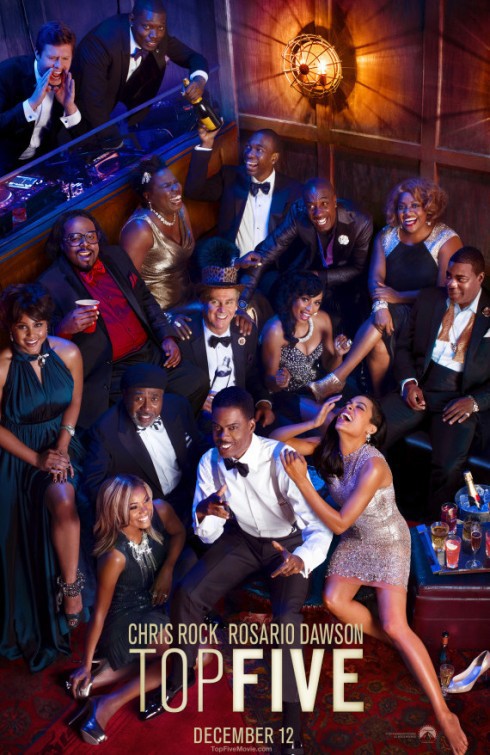 Top Five(2014)as Charlie Rose
 Breaking Bad(2008)as Charlie Rose
 Herb & Dorothy 50X50(2013)
 Everything Is Copy(2015)
 Robert Downey Jr: High Altitude(2023)
 The Many Faces of Jim Carey(2023)
 The Genius of Gianni Versace Alive(2022)
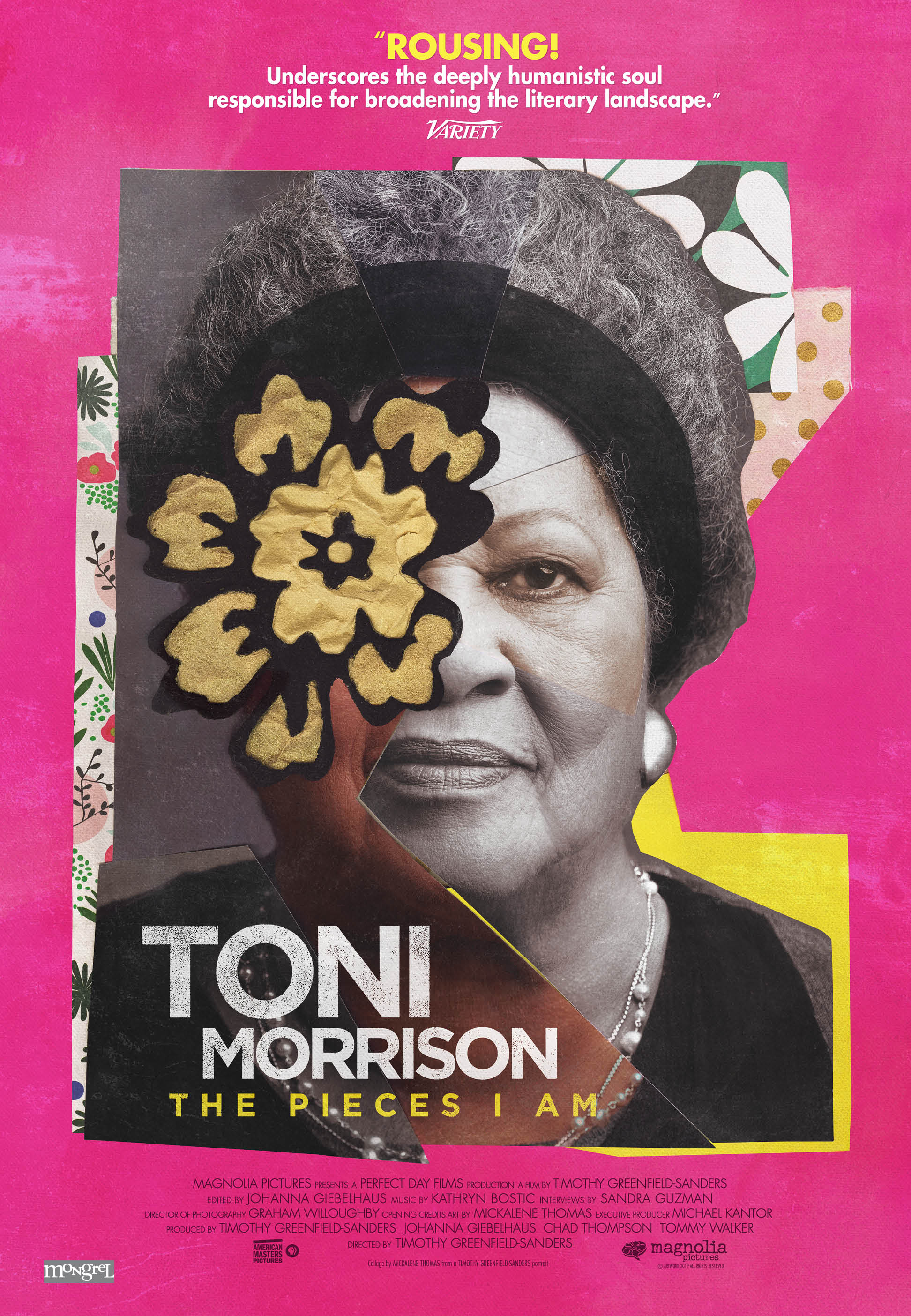 Toni Morrison: The Pieces I Am(2019)as Self
 Dynasty: The Murdochs(2026)as Self - Host, Charlie Rose
 7.30(2006)as Self - Political Broadcaster
 Mel Brooks: The 99 Year Old Man!(2026)as Self
 My Father, the BTK Killer(2025)as Self - Host, CBS This Morning
 Trainwreck: The Cult of American Apparel(2025)as Self - Host, Charlie Rose


