His father was a shipowner. After school, Rosi initially began studying law, which he soon dropped out to work as a broadcast journalist and book illustrator in Naples. From 1944 to 1945 he worked for "Radio Napoli". In the immediate post-war years, Rosi moved to Rome, where he came into contact with the film world. He initially acted as an assistant to several directors and thus played a key role in the development of Italian "Neorealismo". From 1947 to 1948, Rosi assisted Luchino Visconti in the filming of the masterpiece of neorealism "La terra trema". In addition to working on other Visconti films, he also studied with Michelangelo Antonioni. In 1957 Rosi celebrated his directorial debut with "La sfida".
The success led to a long series of films in the following decades, some of which courageously dealt with unpleasant and critical topics in Italian post-war society. Rosi's films such as "Le mani sulla città" (1963), "Cadaveri eccellenti" (1976) and "Cristo si è fermato a Eboli" (1979) are dedicated to the ruthless analysis of events in contemporary Italian history and the present. The director bluntly denounces the grievances resulting from war, crime and corruption as social processes that are tolerated, accepted or even intended by political power. With the film adaptation of the opera "Carmen" (1984) and the novel by Gabriel García Márquez "Cronaca di una morte annunciata" (1987), Rosi approached emotional productions, abandoning his previous materialistic analysis.
However, both films remain connected to the basic theme of Rosi's work, the Italian South, which the director deepened again through the pessimistic study of the global character of the Italian-American mafia in "Dimenticare Palermo" (1989). Rosi received numerous awards for his work. His directorial debut won an award in Venice in 1958. In 1962 he was awarded the Berlin Silver Bear for the film about "Salvatore Giuliano". In 2000 he received the "Grand Prix des Amériques" in Montreal for his life's work.
Francesco Rosi is married to Giancarla Rosi Mandelli and lives in Rome.

 The Truce(1997)
 Neapolitan Diary(1992)
 The Palermo Connection(1990)
 12 Directors for 12 Cities(1989)
 Chronicle of a Death Foretold(1987)
 Carmen(1984)
 Caro Paolo(2013)as Narrator
 Diario senza date(1995)
 Salvatore Giuliano(1962)as Narrator
 Sunday in August(1950)as Lo scrittore con gli occhiali
 Dove sta Zazà(1947)as Domestico dell'Americano
 Many Wars Ago(1970)
 The Moment of Truth(1965)
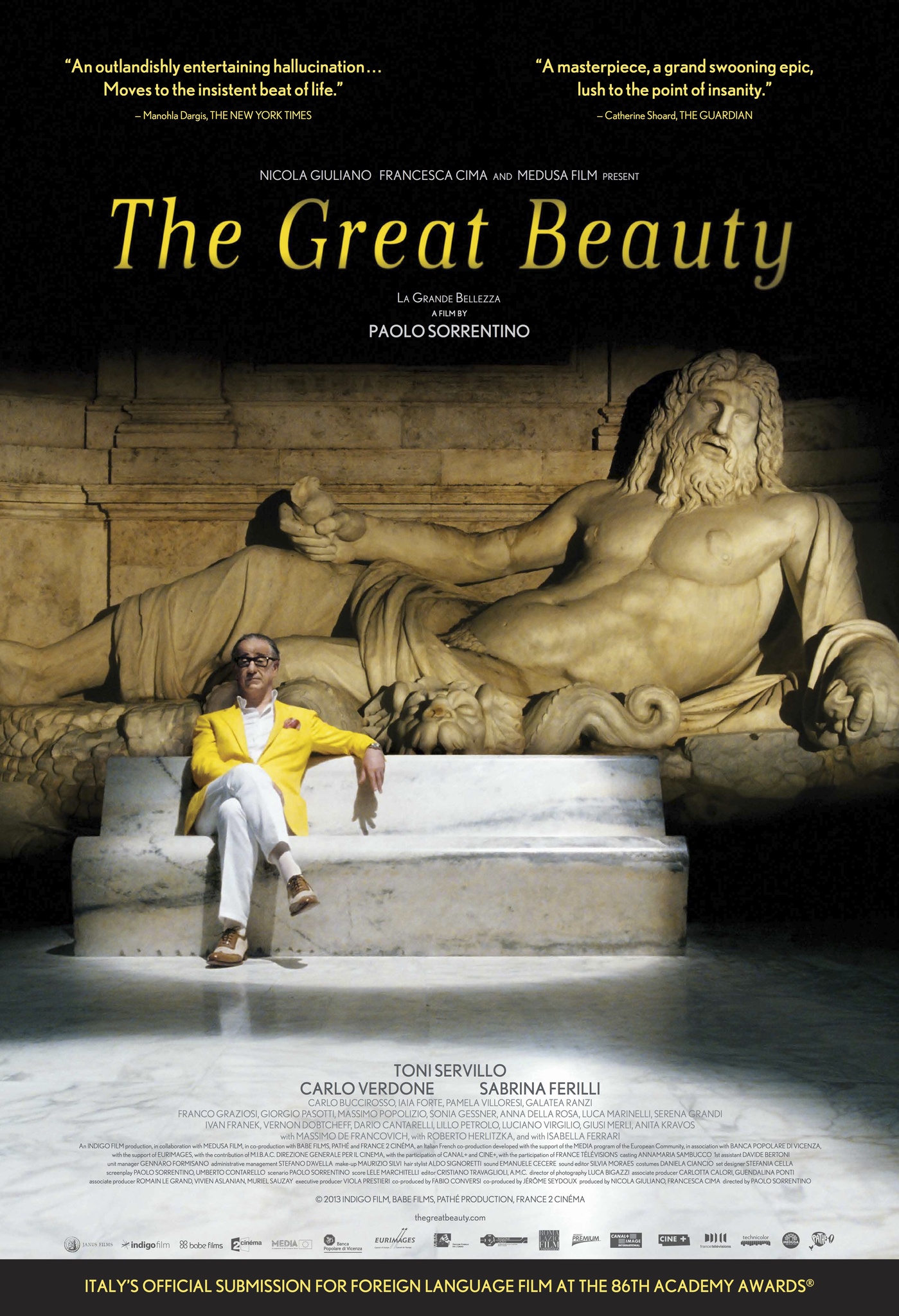 The Great Beauty(2013)
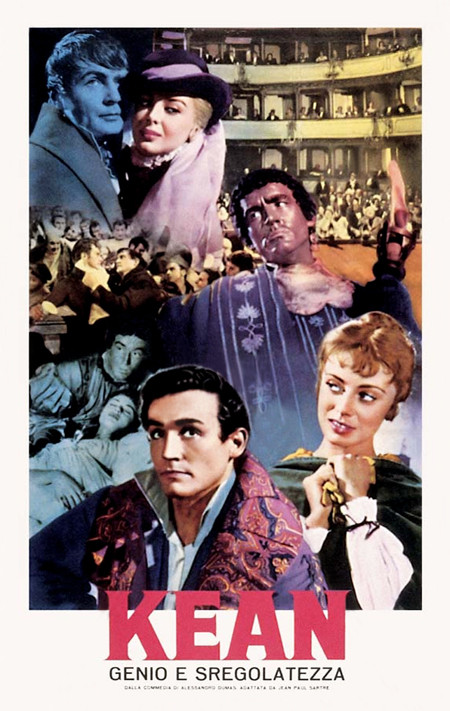 Kean: Genius or Scoundrel(1957)
 The Bigamist(1956)
 Forbidden(1955)
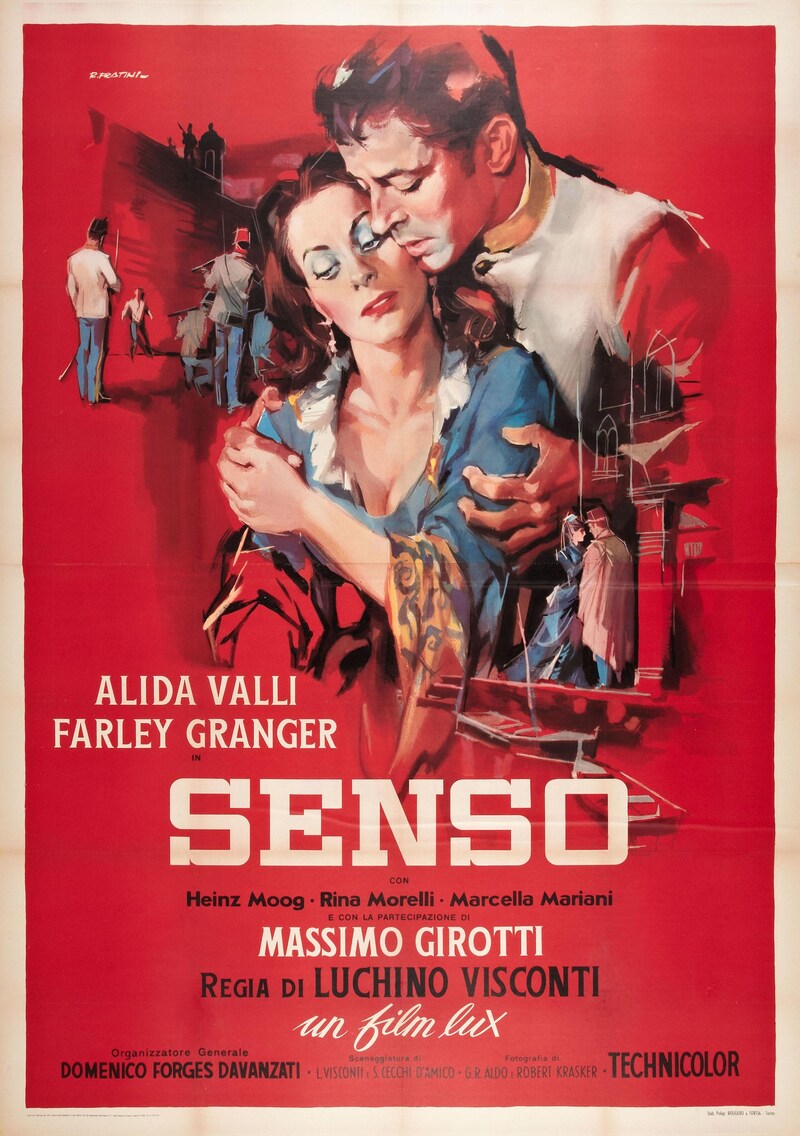 Senso(1954)
 Documenti su Giuseppe Pinelli(1970)
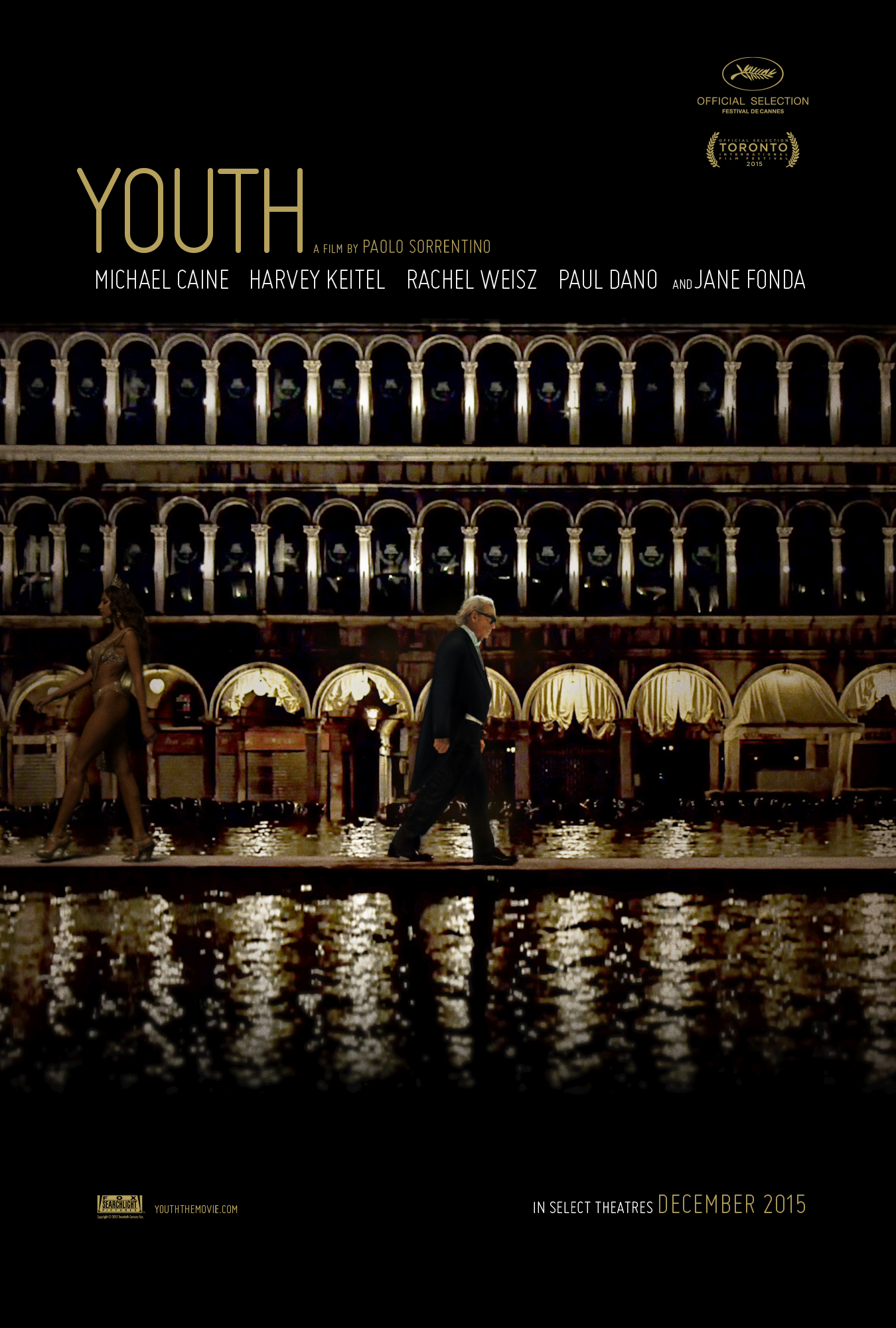 Youth(2015)
 Special Collector's Edition(2010)
 Il Divo(2008)
 Rosi about Eboli(2022)as Self
 Citizen Rosi(2019)as Self
 Water and Sugar(2016)as Self
 A proposito di Franco(2015)
 V.O.S.: Lo que NO te cuentan(2021)as Self
 Morceaux de Cannes(2021)as Self
 Luchino Visconti: Between Truth and Passion(2016)as Self - Movie Director
 Poltrone rosse - Parma e il cinema(2014)as Self
 Les Nuits de France Culture(1994)as Self


