The son of a German father and a Jewish mother, Schünzel was
born in St. Pauli -- the best known, but also the poorest part of
Hamburg. His father started off as an actor but economic circumstances
forced him to turn towards commerce. For a while, the son followed in
his footsteps. He undertook business studies and then began his
professional career in the publishing business. After first acting on stage
in 1912 he became enamoured with the profession,
honing his thespian skills with theatrical companies in
Switzerland and Berlin for another three years. 1916 marked Schünzel's first appearance on screen. Soon
after, he diversified into directing.
Alternating directing with being in front of the camera, Schünzel proved a versatile performer -- equally
at home in light comedy or in dramatic roles, often as irredeemable
villains or as suave, powerful men of a dubious or corruptible nature. As
a director he made his mark with epic historical dramas like
Katharina die Große (1920)
which were popular enough to allow him to set up his own production
company. He was greatly influenced by established film makers
Richard Oswald (a mentor and
frequent collaborator from 1916) and
Ernst Lubitsch (for whom he had worked as
an actor in
Passion (1919)).
Schünzel's satirical, mythologically-themed musical farce
Amphitryon (1935) , in particular, had
all the hallmarks of the ironic, feather-light and slightly risqué
'Lubitsch touch'. It also boasted above-average production values.
"Amphitryon" was Ufa's number one box office hit in its year.
Schünzels other notable directorial efforts included the original
drag comedy
Victor and Victoria (1933) --
a spoof of British music hall impersonators -- and the social satire
Die englische Heirat (1934).
His work was so popular in Germany that the Nazi regime bestowed upon
him the title of 'Ehrenarier' (honorary Aryan) and permitted him to
continue to work despite his Jewish background. This was later to prove
detrimental to his career, even though he did eventually leave Germany in
1937, increasingly frustrated with governmental interference in his
projects. Like so many other exiles, he turned up in Hollywood. Signed
by MGM, he directed three films among which stand out the glossy
operetta
Balalaika (1939), a star
vehicle for
Nelson Eddy (for once, without
Jeanette MacDonald). His other films,
particularly
The Ice Follies of 1939 (1939)
and the romanticised and inaccurate biopic of composer
Franz Schubert,
New Wine (1941) (an independent
production released by United Artists), suffered from a severe case
of miscasting. The former was possibly the biggest flop of
Joan Crawford's long career in the
film business.
As a result of these setbacks, Schünzel returned to acting. He was
predictably typecast as academics or Nazis, his most memorable
performance being the sinister scientist Dr. Anderson in
Alfred Hitchcock's excellent
thriller
Notorious (1946). Sometime
after 1949, he returned to Germany but found work opportunities scarce.
Schünzel died in November 1954 of a heart ailment following a visit to the
cinema.

 New Wine(1941)
 Balalaika(1939)
 The Ice Follies of 1939(1939)
 Rich Man, Poor Girl(1938)
 Victor Victoria(1993)
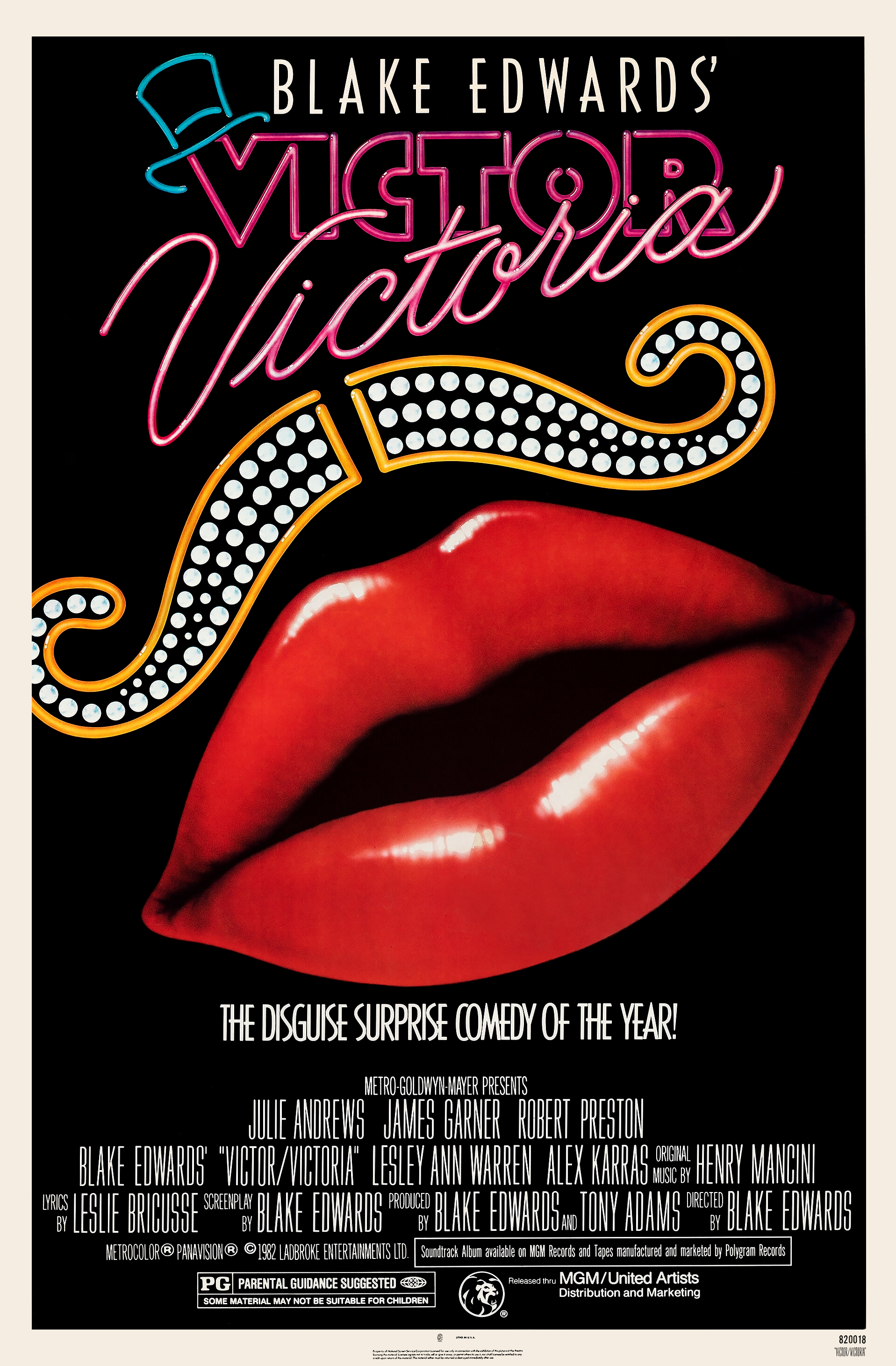 Victor/Victoria(1982)
 Victor and Victoria(1957)
 Wochenend im Paradies(1952)
 Land der Liebe(1937)
 A Love Story(1954)as Schlumberger, Schauspieldirektor
 Meines Vaters Pferde, 2. Teil: Seine dritte Frau(1954)as Konsul Rittinghaus
 Meines Vaters Pferde, 1. Teil: Lena und Nicoline(1954)as Konsul Rittinghaus
 Armstrong Circle Theatre(1950)
 Robert Montgomery Presents(1950)
 Peter der Matrose(1929)
 Aus dem Tagebuch eines Junggesellen(1929)
 From Caligari to Hitler: German Cinema in the Age of the Masses(2014)as Self
 Cinema Europe: The Other Hollywood(1995)as Franz Bollek
 Filmemigration aus Nazideutschland(1975)as Self
 Cabaret(1954)as Silent movie scene


