Augustin Eugene Scribe was the first-- and certainly the most
prolific-- French dramatist/librettist of the European popular theatre.
He was born in Paris on Christmas eve 1791 to a prosperous silk
merchant, who was determined for his son to pursue a career in law.
Scribe's interests were drawn to the theatre and he began writing plays
in his teens. He was undaunted by his first effort, "Le Prétendu sans
le savoir" failing miserably at the Paris Varieties in 1910 and was
determined to find some mechanical plot formula that would appeal to
the Franco middle class across all theatrical genres: comedies, dramas,
operas and tragedies.
He hit on the idea of having a seemingly simple misunderstanding drive
tight plots, events often snowballing into near catastrophic effect
with his characters (more often than not, the modern French
bourgeoisie) having to run a gauntlet of obstacles in hopes of avoiding
embarrassment or earning redemption. His plots often began simply
enough, but quickly became a series of clever twists and turns, and his
audiences loved watching those beyond their social caste brought down
several pegs, with spiraling plot twists leading to an explosive climax
just before the final curtain. Scribe's plot formulas worked well
across all the genres and he welcomed collaboration with numerous
playwrights (most notably 'Ernest Legouvé')
as a means to expand his wealth and influence. He also welcomed writers
capable of transforming his voluminous amount of earlier works into
other forms, primarily operas. He created a think tank plot factory
that employed writers assigned to various aspects of a particular play
working within his mechanical plot parameters: story, dialogue, writing
comic lines for individual characters, grinding out hundreds of works.
Often he discovered one of his writers had inadvertently stolen jokes
from others and it became something of a badge of honor for another
playwright to receive compensation for a "Scribe." Most of the time
these playwrights would be oblivious of the plagiarism. At his peak,
Scribe was a combination Gilbert & Sullivan, Henry Ford and Milton
Berle. A small number of his collaborative works were adapted to
Broadway as early as 1855. Among his most successful plays, "Adrienne
Lecouvreur" remains popular, both in it's original form as a tragedy
and as the basis for the 1902 operatic adaption "Adriana Lecouvreur,"
which has been produced several times for French and Italian audiences.
It was filmed by MGM in 1928 as
Dream of Love (1928) as a silent
starring
Joan Crawford. His
generosity toward collaborators seldom extended to theatrical producers
(in Europe of the day, this was usually the owner of the venue itself),
as he was well aware of his importance in French theatre and placed
hefty financial demands on producers, whom he held in low regard
throughout his lifetime. He died in Paris at age 69.
 La Tempesta - Grand-Opéra in three acts(2022)
 L'elisir d'amore(2021)
 Gounod: La Nonne sanglante(2019)
 Rossini: Le Comte Ory(2019)
 The Metropolitan Opera HD Live(2006)
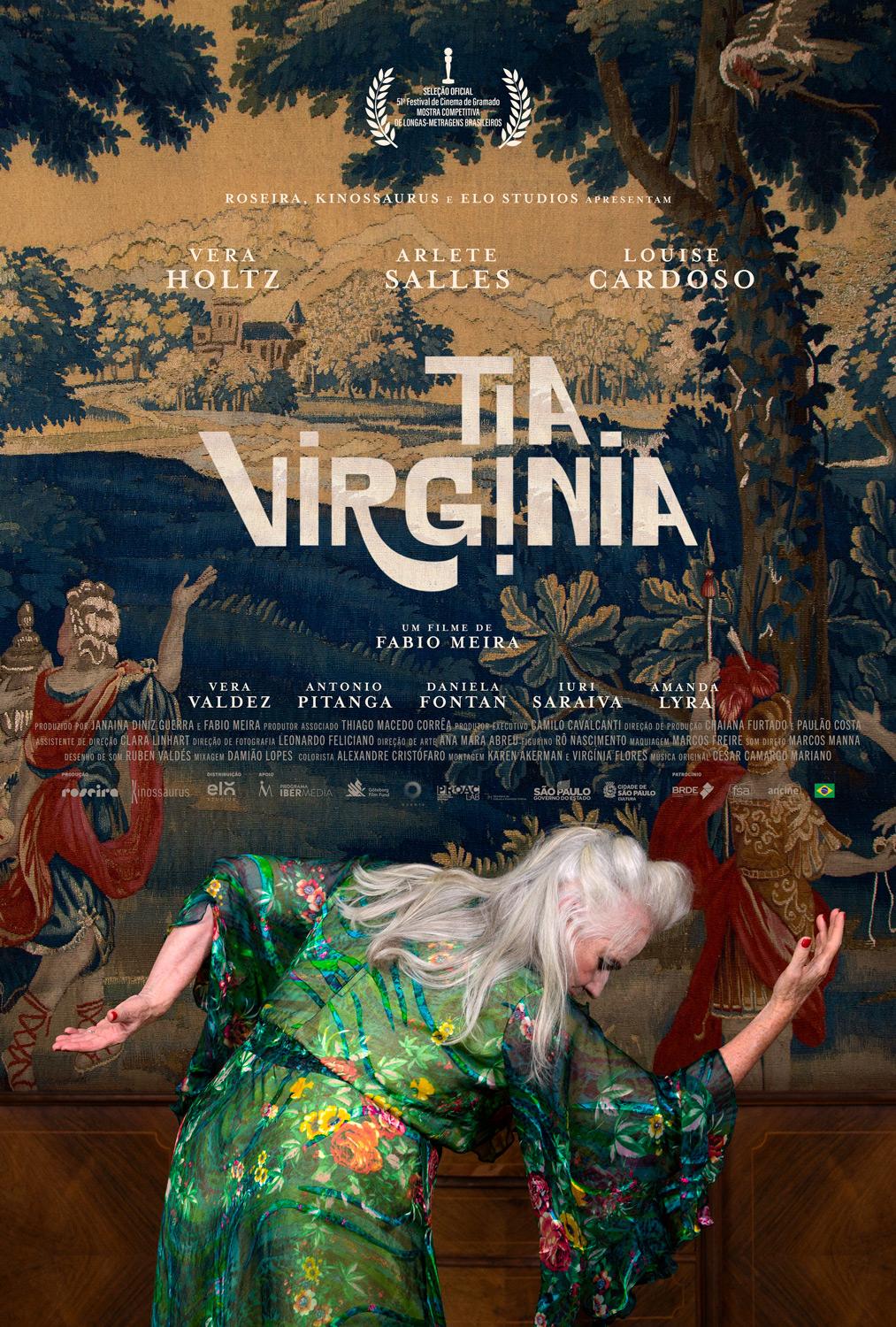 Tia Virgínia(2023)
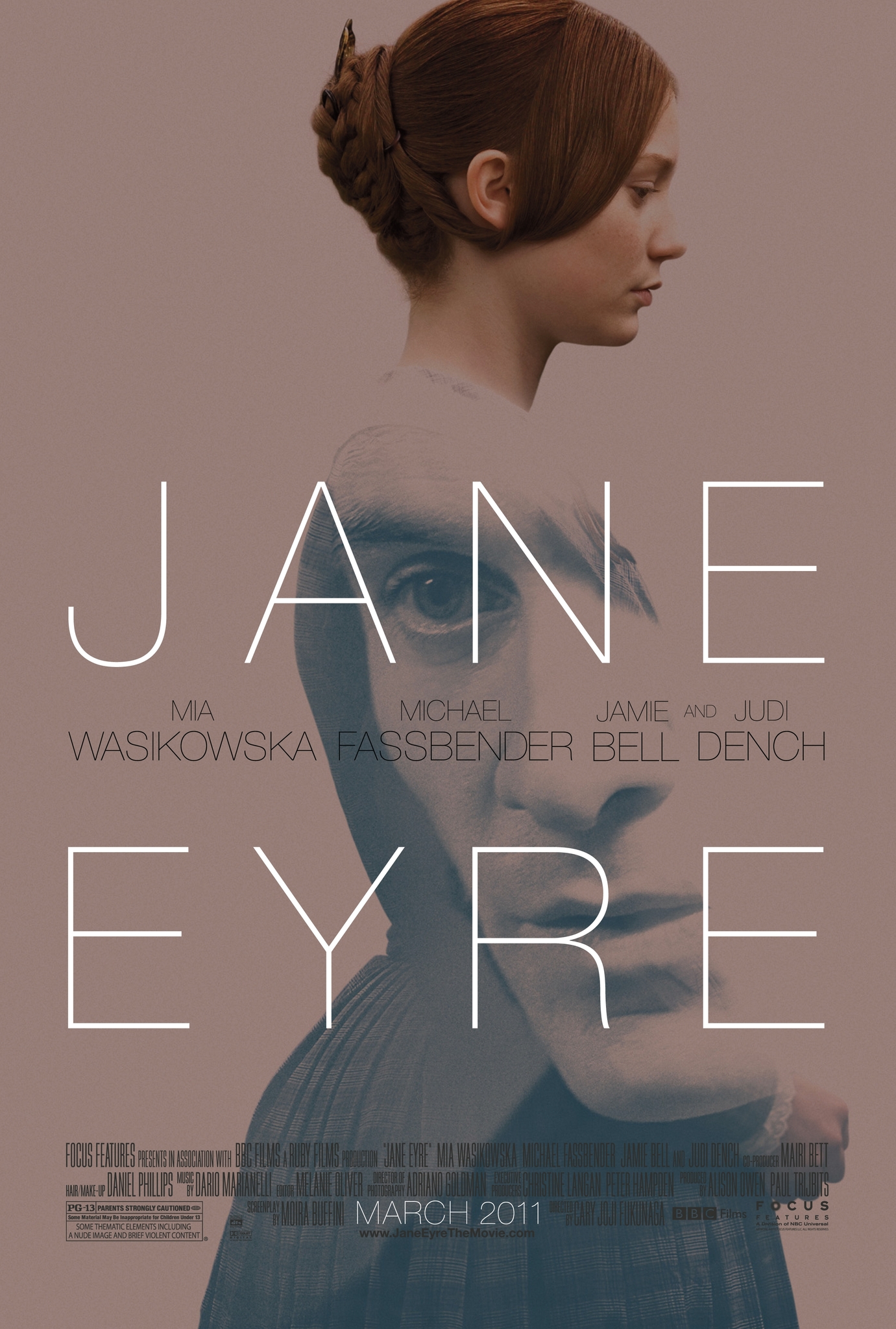 Jane Eyre(2011)
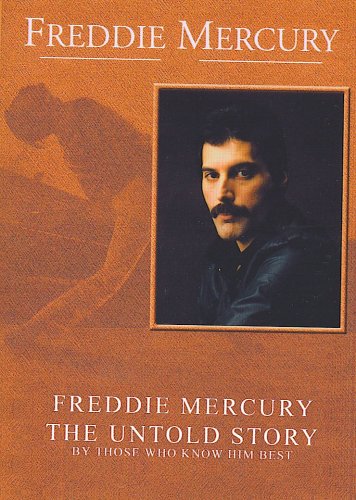 Freddie Mercury, the Untold Story(2000)
 Three Tenors '98 World Cup Paris(1998)
 Serenade(1956)