Joe Shuster was born in Toronto, Ontario, Canada. At age 9 he and his
family moved to Cleveland, Ohio, where he met and befriended his future
partner Jerome "Jerry" Siegel. Siegel and Shuster were both avid
science fiction fans, publishing a fanzine in the mid-1920s. It was
during this period that they read Philip Wylie's book, "Gladiator",
about a mysterious character with superpowers and invulnerability. They
created a strip for their fanzine (Shuster drawing, Siegel writing)
featuring a super-powered villain, but later made him into a hero. In
1936, they tried, unsuccessfully, to turn it into a daily comic strip.
About the same time, both young men got a job working for DC-National
(now DC Comics), working on such titles as Doctor Occult, Slam Bradley,
and Radio Squad.
In 1939, DC editor Sheldon Meyer decided to give the two young men a
chance, and published their character Superman a new comic title,
"Action Comics". Superman was an almost immediate hit, spawning his own
eponymous title within a year, then going on to be featured in
virtually every type of media.
Shuster and Siegel continued working on Superman for many years, but
became increasingly resentful of the profits that DC-National made off
their character (because of the practice at the time, the creators had
signed away all rights to the character to the publisher). In 1946,
Shuster and Siegel sued DC for a share of the rights to Superman (their
lawyer was
Albert Zugsmith). The case dragged on until 1948, when the two men
settled for royalties only on the Superboy character. They were also
required to sign away any future claims to the Superman character.
Shuster was bitter about his treatment, and decided to leave the comics
field. In 1975, after the Superman movie raised new interest in the
character, the two men once again sued DC for recognition and
royalties. DC, with much prodding from publisher/editor
Carmine Infantino,
re-instated Siegel and Shuster's name on the masthead as creators, and
awarded the two men an annual stipend of $35,000. Shuster died in 1992,
nearly blind and still bitter about the treatment he'd received.

 Krypto Saves the Day!(2025)
 Peacemaker(2022)
 Superman(2025)
 Superman 1978: The Birth of the Superhero Movie(2025)
 Secret Origin: The Story of DC Comics(2010)
 De Superman à Spider-Man: L'aventure des super-héros(2001)
 Lego DC Comics: Batman Be-Leaguered(2014)
 The Iron Giant(1999)
 Tiny Toon Adventures: How I Spent My Vacation(1992)
 Titans(2018)
 Stargirl(2020)
 Superman: Man of Steel(2019)
 Triple Feature(2016)
 Arena(1975)as Self
 The Making of Superman: The Movie(1980)as Self
 Death Battle(2010)as Self
 Superpowered: The DC Story(2023)as Self - Artist, Superman
 Minty Comedic Arts(2015)as Self
 Batman & Bill(2017)as Self - Superman Co-Creator
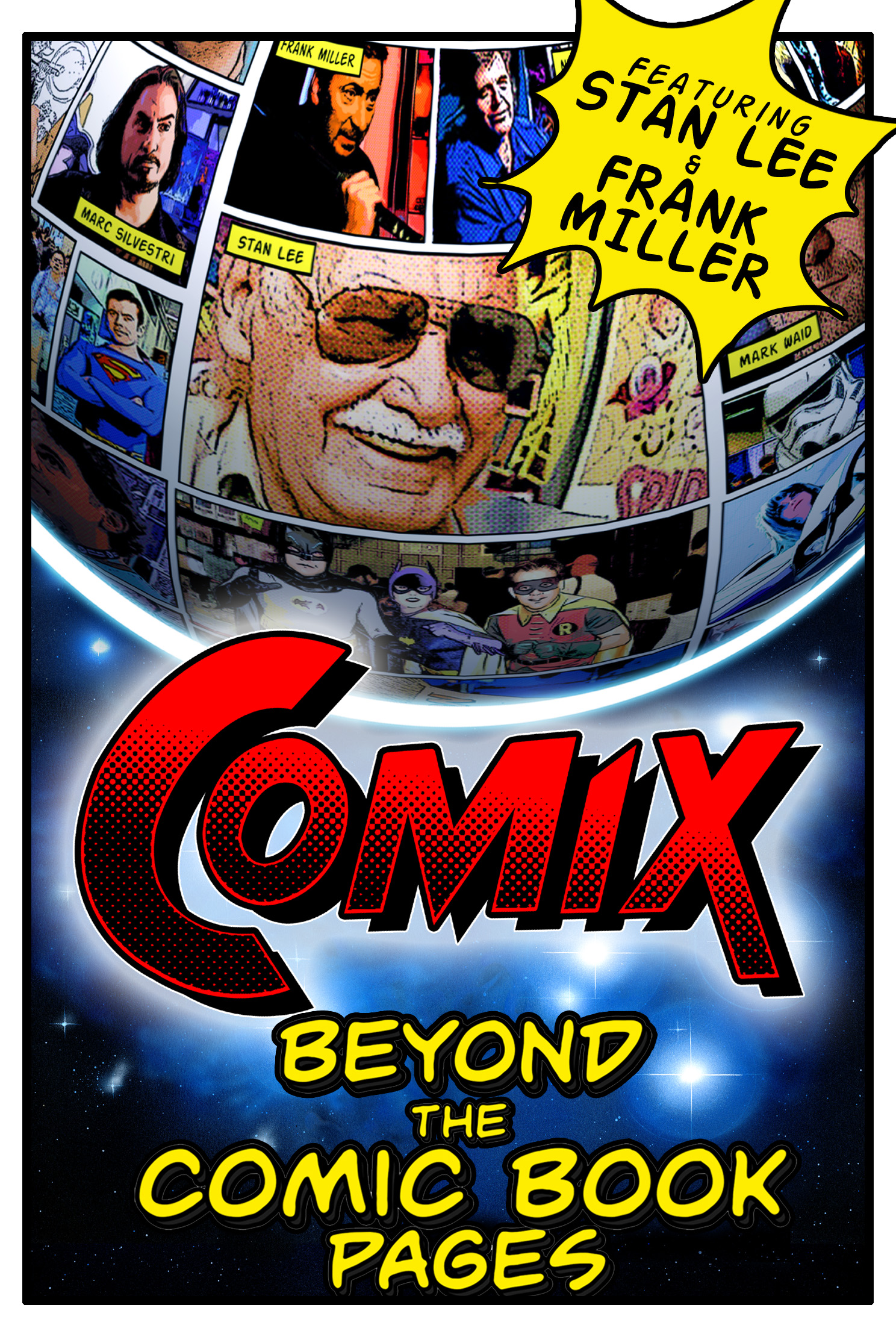 COMIX: Beyond the Comic Book Pages(2016)as Self


