Film producer Edward Small1 was born in February 1891 in Brooklyn, New
York. He had one of the longest and most prolific careers of any
independent producer, his career lasting from the silent era into the
1970s.
In some ways Edward Small's career was the reverse of that of
Myron Selznick, who started out as a
producer at his father
Lewis J. Selznick's film company, and
then became a talent agent. Small became a talent agent at the age of
15, when he opened his own agency in New York City, the Edward Small
Agency (later the Small Company). The slogan of his agency was
"Personality is a Commodity." In 1917 Small moved his agency to
Hollywood. He began producing films in 1924, and that soon became his
full-time occupation. He eschewed publicity and remained largely
unknown to the public.
The first picture produced by Edward Small Productions was the talkie
Song of Love (1929). In 1932 he
co-founded the independent production company Reliance Pictures with
former United Artists chief executive
Joseph M. Schenck and
Harry M. Goetz. Under his own banner of
Edward Small Productions, which like Reliance had a releasing deal with
United Artists, Small personally produced many A-list pictures,
including
I Cover the Waterfront (1933),
Palooka (1934),
The Count of Monte Cristo (1934),
New Faces of 1937 (1937),
The Man in the Iron Mask (1939),
The Corsican Brothers (1941),
Brewster's Millions (1945)
and
The Fuller Brush Man (1948),
among others. After World War II the quality of his output began to
decline. He continued making films until 1970, when he produced his
last movie, the exploitation picture
The Christine Jorgensen Story (1970)Small was a critic of the management of United Artists, and when the
company failed to give in to his demands in 1942, he threatened to
organize a sit-down strike against them. Small later served as chairman
of the TV distribution company Television Programs of America. He has a
star on the Hollywood Walk of Fame for his television activities
located at 1501 Vine Street.

 The Christine Jorgensen Story(1970)
 The Wicked Dreams of Paula Schultz(1968)
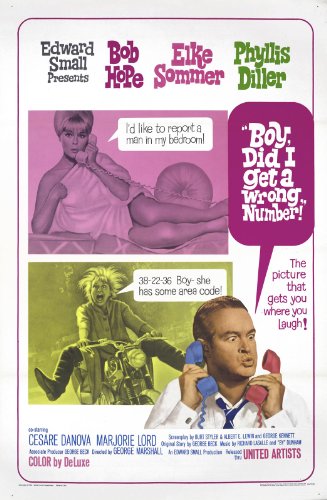 Boy, Did I Get a Wrong Number!(1966)
 Frankie and Johnny(1966)
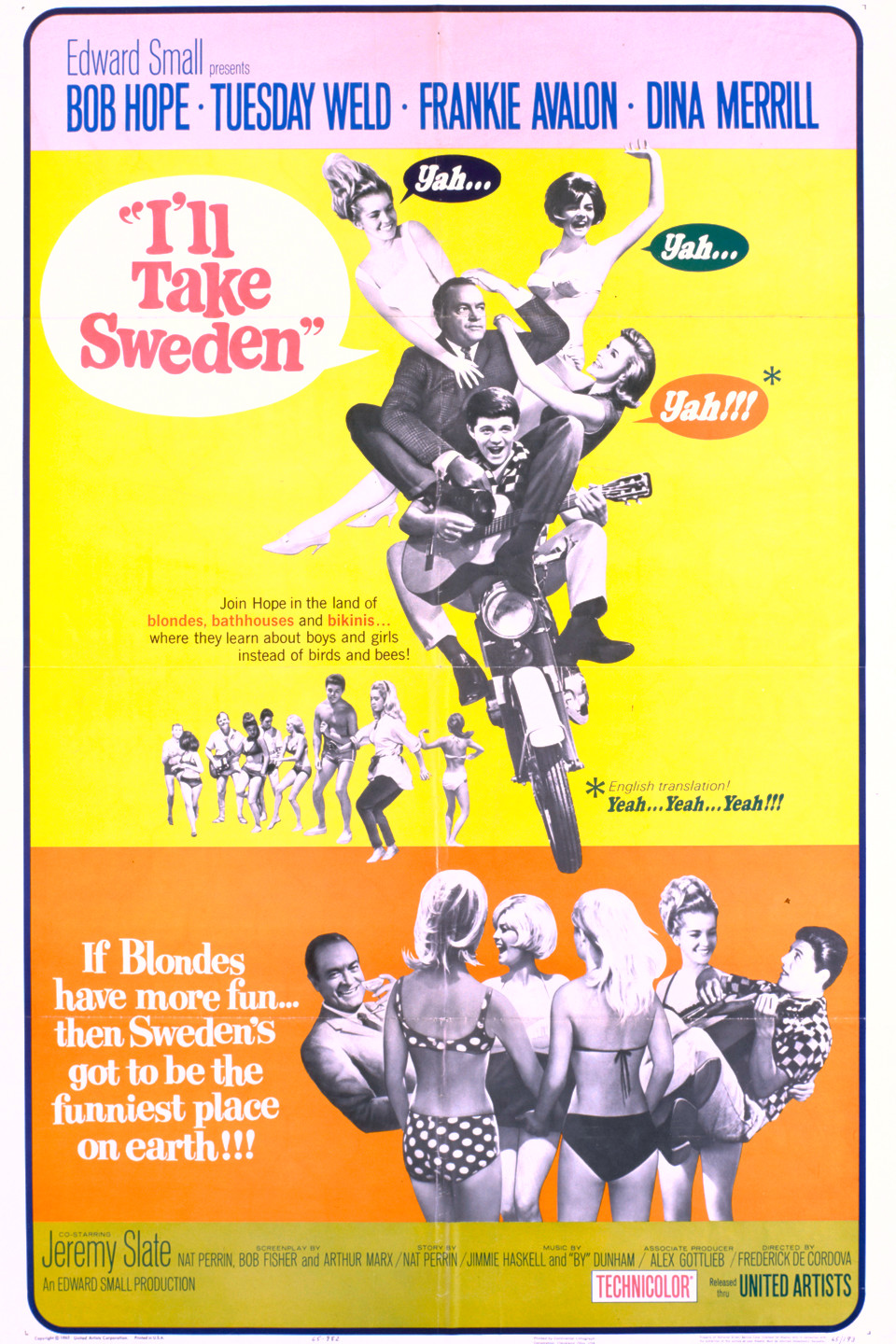 I'll Take Sweden(1965)
 Igloo(1932)
 Clancy in Wall Street(1930)
 The Gorilla(1927)
 The File of the Golden Goose(1969)
 Jack the Giant Killer(1962)
 Solomon and Sheba(1959)