Born William John Hart in 1917, the Pennsylvania-born actor was the
son of a professional ballplayer. He graduated from the University of
Pittsburgh, then worked as a clothing salesman before deciding to give
acting a try. He certainly had the requisite dreamboat looks as
Columbia signed this blue-eyed, black-haired, extraordinary-looking
specimen in 1939. Billed as Robert Sterling as not to confuse anyone
with the silent screen legend
William S. Hart, he was groomed in two-reeled
shorts and bit parts in minor features but nothing much happened.
In 1941, MGM took him on as a possible replacement for another gorgeous
Robert - Robert Taylor - who was about to join the Navy. Sterling
married actress
Ann Sothern in 1943 after meeting her on the set of
Ringside Maisie (1941), one of several programmers in Sothern's "Maisie" series. They
had a daughter, Patricia, who later became the actress
Tisha Sterling. While
at MGM he appeared in slick, "nice guy" second leads in such "A" films
as
Greta Garbo's swan song
Two-Faced Woman (1941),
Johnny Eager (1941) and
Somewhere I'll Find You (1942), the last two
starring
Lana Turner, while starring in "B" rankers that included
The Getaway (1941)
and
This Time for Keeps (1942). Sterling himself would serve during WWII with the Army Air
Force as a pilot instructor and was stationed at one point in London.
His movie persona suggested more than a trace of the dapper playboy,
and his carefree style and tone easily had
Gig Young coming to mind.
Robert's film career, however, lost major momentum in post-war years
with rather pat, colorless parts in such action dramas as
Bunco Squad (1950) and
Column South (1953), and even in the splashy musical
Show Boat (1951). Divorced from Ms.
Sothern in 1949, he was introduced to actress
Anne Jeffreys while making his
Broadway debut in "Gramercy Ghost" down the block from where she was
starring in the musical "Kiss Me Kate." The couple wed in 1951 and
produced three sons. Robert and Anne (who was also having a down time
in films by this point) decided to revive their faltering careers with
a singing club act. Not only was their pairing a success, it led
directly to their starring roles in the classic
Topper (1953) comedy series
on TV. As wry, debonair ghost George Kirby, he and Anne (playing his
equally "spirited" wife Marion) expertly took over the jet-setting
roles established on film by
Cary Grant and
Constance Bennett. The couple soon
became household names engaging audiences week after week with their
delightfully capricious antics and disappearing acts, much to the
chagrin of bemused mortal
Leo G. Carroll in the title role. Robert and Anne
continued to perform together on stage ("Bells Are Ringing") and even
top-lined another sitcom
Love That Jill (1958) which lasted only a few months. After
another failed series
Ichabod and Me (1961), which was a solo effort, and a couple of
pedestrian parts in the movies
Return to Peyton Place (1961) (as Dr. Michael Rossi) (1961),
Voyage to the Bottom of the Sea (1961) and
A Global Affair (1964), Robert slacked off considerably. He made only one
return to Broadway with the 1961 light comedy "Roman Candle"
co-starring
Inger Stevens and
Julia Meade. The show folded quickly. By the late
1960s, Sterling was pretty much out of the picture.
He entered into what would become a lucrative computer business, and
kept a decidedly low profile, prompting many fans to think that the
ever-busy
Anne Jeffreys was a widow! In truth, the couple made sporadic
appearances together in the 70s and 80s in episodes of "Murder, She
Wrote" and "Hotel," among others. During the last decade of his life,
Sterling suffered greatly from shingles, which kept him confined to a
bed for the most part. The man who was once deemed "the ghost with the
most" died in his Brentwood home of natural causes at the age of
88.

 Murder, She Wrote(1984)as Ben Shipley
 Hotel(1983)as Mr. Jenks
 Masquerade(1983)as Jacques Marchand
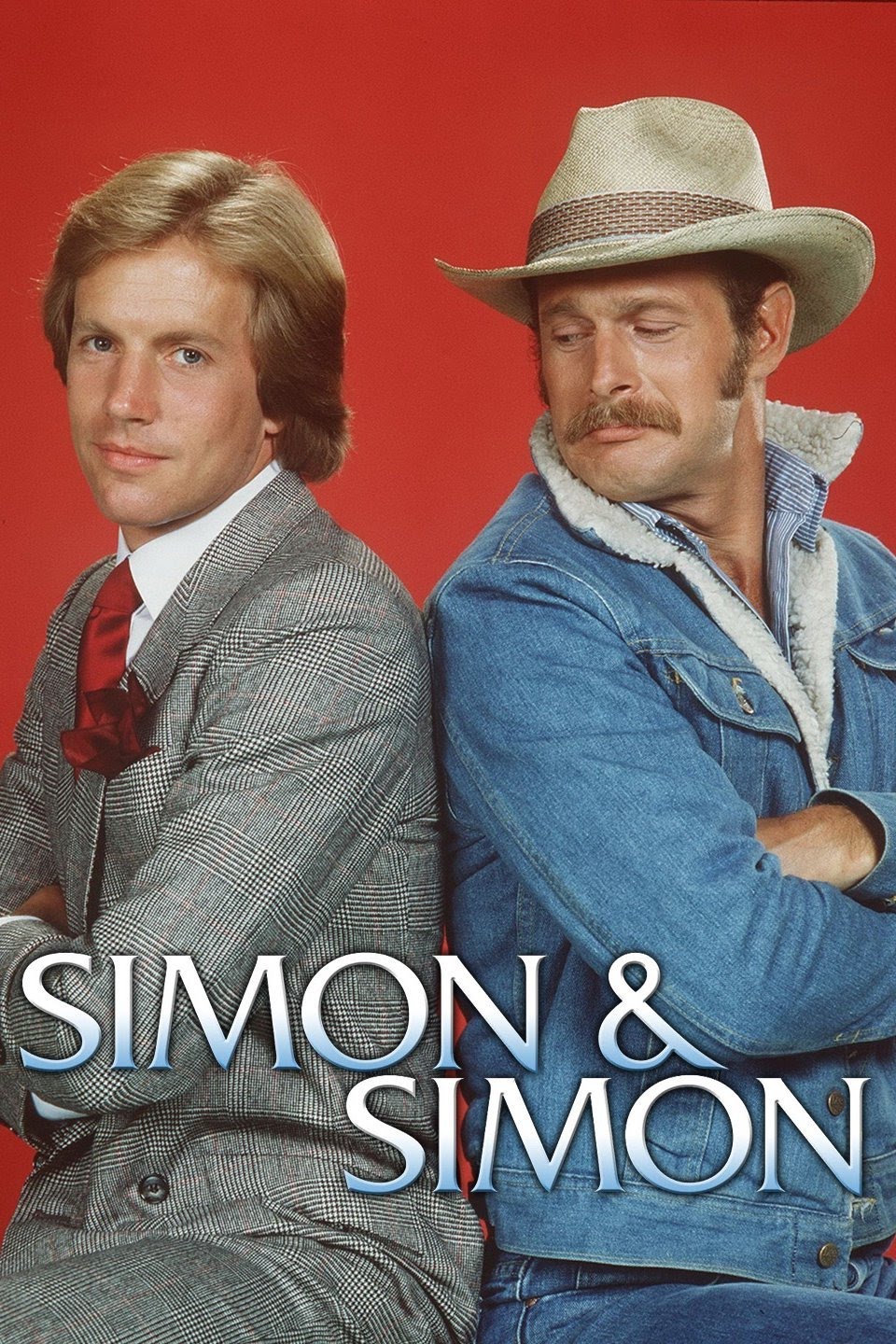 Simon & Simon(1981)as Arthur Bristol, Michael Wells
 Fantasy Island(1977)as Walter Rawlin
 Inga(1968)
 The Perry Como Show(1948)
 Bunco Squad(1950)
 All-Star Party for 'Dutch' Reagan(1985)as Self
 Night of 100 Stars(1982)as Self
 International Pro-Celebrity Golf(1975)as Self
 13th Annual Screen Actors Guild Awards(2007)as Self - In Memoriam
 The 58th Annual Primetime Emmy Awards(2006)as Self - Memorial Tribute
 The Metro-Goldwyn-Mayer Story(1951)


