Louise Ullrich was born in Vienna, the daughter of a major in the
Austro/Hungarian Army. She studied at the Kunstakademie, and, while
still a teenager, was contracted for two years by the Wiener
Volkstheater where she enjoyed her first success on the stage. In late
1932, Louise received an engagement from the Lessing Theater in Berlin
to co-star opposite
Werner Krauss in
'Rauhnacht'. During one of her
performances she was spotted by actor and film-maker
Luis Trenker
who cast her in the leading role of Erika in
Der Rebell (1932). While Louise was
inevitably secondary to both star and scenery, the picture did provide a
stepping stone to further opportunities. In the
Max Ophüls-directed
Playing at Love (1933) she had second billing
behind established star
Magda Schneider (mother of Romy)
and the following year appeared in the title role of
Erich Waschneck's
Regine (1935).
Other prestigious films with budding star Louise were to come:
Viktoria (1935), a romance based on a
novel by
Knut Hamsun; and
Annelie (1941), a family movie which
earned the film studio Ufa the then record sum of six and a half
million Reichsmark and garnered Ullrich the Coppa Volpi award in
Venice. Her films also established her as an actress of
stature - not of the conventional leading lady variety, not particularly
ornamental or even especially beautiful - but of the ideal 'girl next
door' type: tomboyish, spirited, charming and witty. Alternatively -- as
in
'Annelie' -- she would embody the archetypal mother figure (resonating
significantly with wartime filmgoers) or a weak-willed , sad
wife (as in the title role of
Henrik Ibsen's
Nora (1944)). Audiences and critics alike
applauded her performances and
Louis B. Mayer even offered her a
contract at MGM in 1938 which Louise declined. Instead, she traveled
to South America where she met her future husband, Count Wulf Dietrich
zu Castell, director of Munich-Riem airport.
After the war, Louise Ullrich made a seamless transition to character
roles, dividing her time between stage and screen. One of her notable
film appearances during this time was as Cornelie in
Harald Braun's
Keepers of the Night (1949). Though she had
misgivings about the maudlin sentimentality and melodramatics of the
screenplay (stating in her autobiography that it wouldn't have mattered
to her whether she got the part or not!), the critic Gunter Groll
praised her performance as more mature and defined while always
retaining her distinguishing genuine qualities. In the
1960's, she made a number of television appearances (including a series
by
Rainer Werner Fassbinder,
in which she played a strong-willed grandmother) and in 1973 published
her memoirs. Louise Ullrich spent most of her remaining years writing
and painting. One of her last works was an Australian travel memoir,
published in 1985. The popular actress died of cancer in January that
year.

 Geschichten aus der Heimat(1983)as . (ep.: Bescheidenheit ist eine Zier)
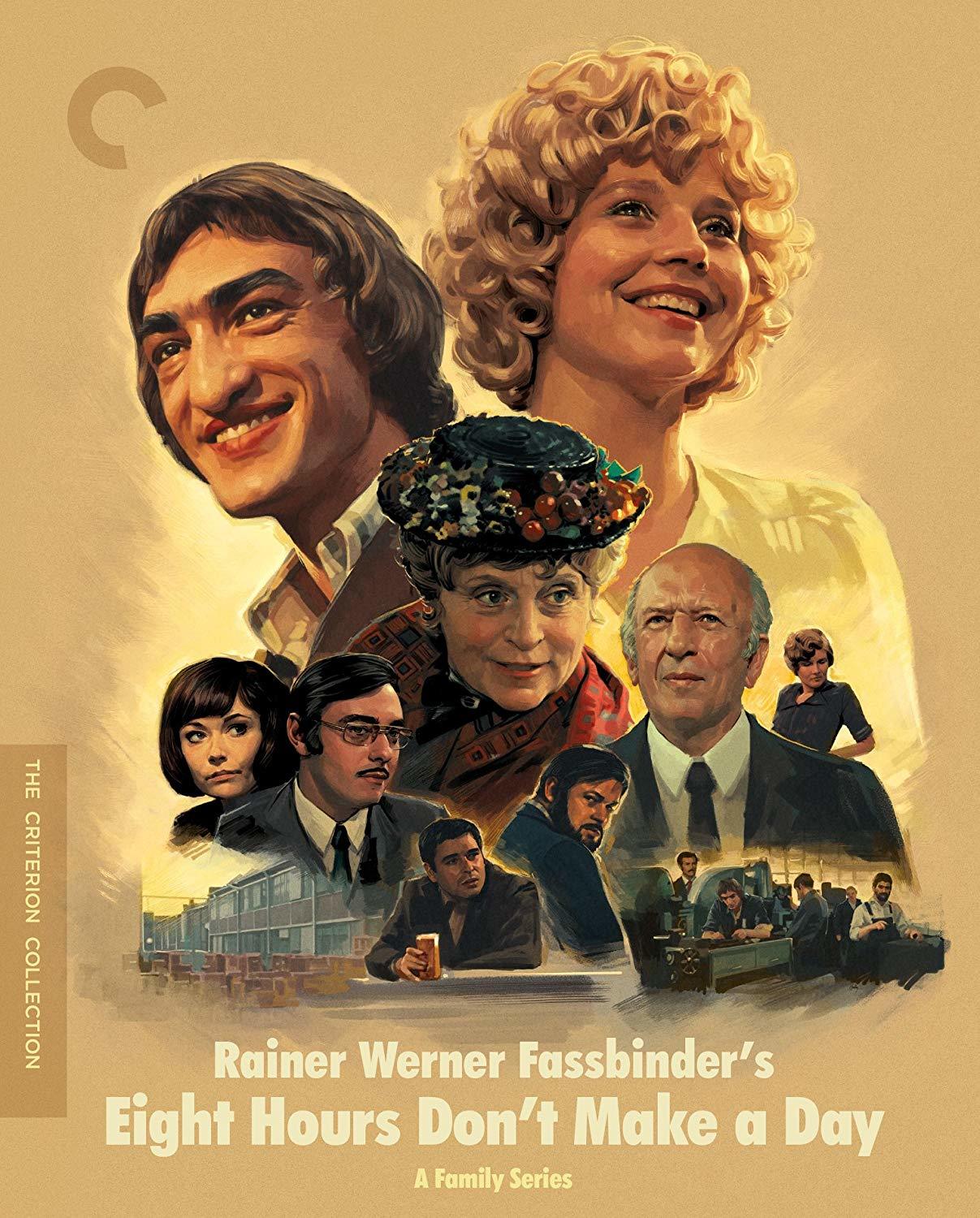 Eight Hours Don't Make a Day(1972)as Oma Krüger
 Regine(1935)
 Heut' abend(1980)as Self
 Die Montagsmaler(1974)as Self
 Stars in der Manege(1959)as Self


