Fondly remembered for his many deceptively meek, erudite characters played on film -- think Cosmo Topper, of the screwball classic
Topper (1937) -- this short (5'6"), balding, highly distinguished actor was born in London, England on November 11,1887, to an architect and his wife. Young was educated at Sherborne College and University College London and trained as an actor at the Royal Academy of Dramatic Art (RADA).
Taking his first professional London stage bow in 1908, Roland moved to the United States a few years later, made his New York debut (in "Hindle Wakes") in 1912, and became a fixture on Broadway. Young performed equally well in droll farces and classic drama. His standout credits included productions of "John Gabriel Borkman" (1915), "The Seagull" (1916), "A Doll's House" (1918), "Rollo's Wild Oat," "Hedda Gabler" (1923), and "The Last of Mrs. Cheyney" (1927). He also joined the the Washington Square Players for a time.
Young became a U.S. citizen in 1918 and served in the Army during WW I. He appeared in a few silent films after his discharge, including
Sherlock Holmes (1922), in which he played an amusingly hesitant Dr. Watson to
John Barrymore's super-sleuth. His first talking film was the second male lead, Lord Montague, a near strangler victim, in the murder mystery
The Unholy Night (1929) starring
Ernest Torrence and directed by
Lionel Barrymore. Young didn't come into his own in Hollywood until his presence in screwball comedies of the 1930s, for which he seemed tailor-made.
With his patrician air, tidy mustache, and fumbling-yet-dry delivery, Young did his share of restrained scene-stealing in
New Moon (1930) as Count Strogoff;
The Squaw Man (1931) as Sir John Applegate;
David Copperfield (1935) as the villainous Uriah Heap;
The Man Who Could Work Miracles (1936) as the timorous clerk with God-like powers; and
Ruggles of Red Gap (1935), as the inebriated Earl of Burnstead who loses his valet
Charles Laughton in a poker game. So good was he in
Topper (1937), as the humorously beleaguered fall guy for ghostly duo
Cary Grant and
Constance Bennett, that he earned a supporting Oscar nomination, somewhat rare for comic outings.
Young moved fluidly between stage, film and radio assignments during the war-era years. While starring in a mid-1940s radio broadcast of "Topper" and appearing with
Cornelia Otis Skinner in the 1945 serial "William and Mary," he also graced such theatre productions as "Ask My Friend Sandy" and "Another Love Story" and such films as
Star Dust (1940),
The Philadelphia Story (1940) (as lecherous rascal Uncle Willie),
Greta Garbo's last film
Two-Faced Woman (1941),
The Flame of New Orleans (1941),
Forever and a Day (1943) and the classic whodunnit
And Then There Were None (1945).
He ended his career in a few TV anthologies ("The Chevrolet Tele-Theatre," "Studio One in Hollywood," "Lux Video Theatre" and "Betty Crocker Star Matinee"). His last few films were comedies and included a villainous role in the
Bob Hope romantic musical
The Great Lover (1949), a conman in the sentimental crimer
St. Benny the Dip (1951) and the wealthy father of a newly-married countess whose husband/count quickly disappears in the romantic adventure
That Man from Tangier (1953).
Married twice, Young died of natural causes at age 65, in New York City, on June 5, 1953, and was survived by his second wife, Patience DuCroz. In 1960, he was posthumously honored with two stars on the Hollywood Walk of Fame for his TV and film work.
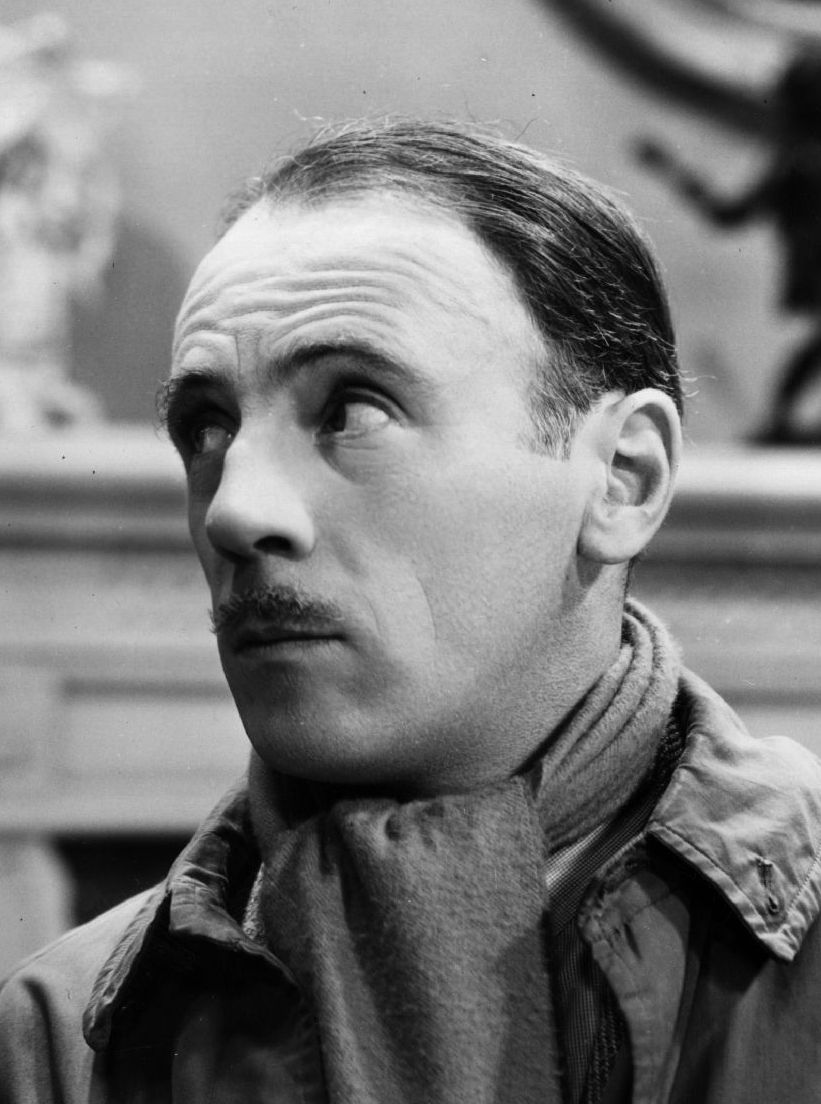
 That Man from Tangier(1953)as George
 The Doctor(1952)as George
 Betty Crocker Star Matinee(1951)
 Lux Video Theatre(1950)as Sumner
 Studio One(1948)as Harold. Mummery
 No, No, Nanette(1940)
 One Rainy Afternoon(1936)
 Madam Satan(1930)
 The Milton Berle Show(1948)as Self - Actor
 The Kate Smith Evening Hour(1951)as Self
 What's My Line?(1950)as Self - Guest Panelist
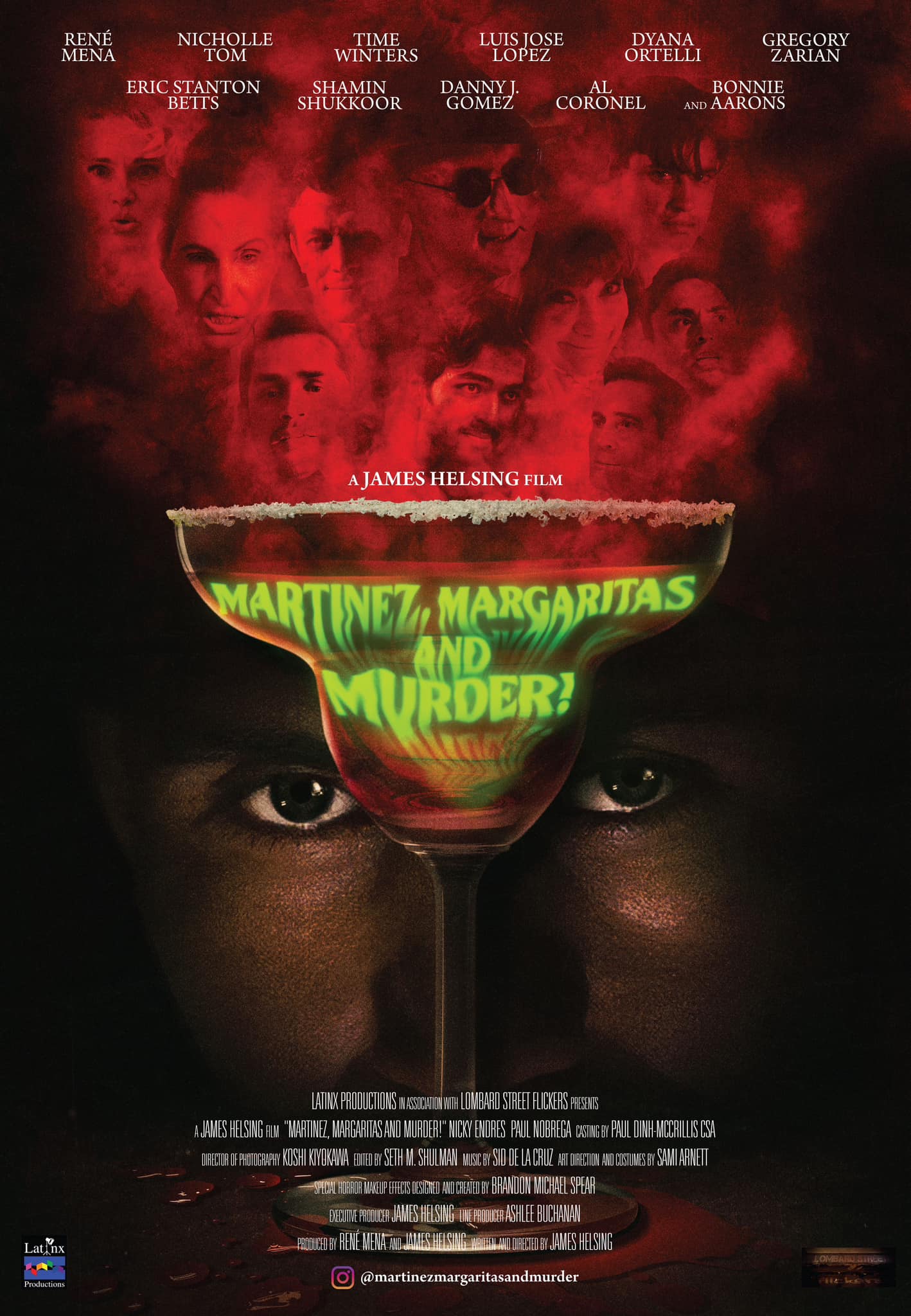 Martinez, Margaritas and Murder!(2025)as William Henry Blore
 Musings of the Classic Sherlock Holmes Actor(2018)as Dr. Watson
 Cineficción Radio(2019)
 Life Is a Dream in Cinema: Pola Negri(2006)as Self
 That's Entertainment! III(1994)as Performer in Clip from 'Two-Faced Woman'


