Like many artists, Andy began with a spark. An eleven-year-old boy stepping into the role of Robin Hood on a school stage in Guelph. Discovering, perhaps for the first time, the strange electricity of becoming someone else. That early moment would echo forward, though not always clearly, through years of study, performance, and quiet reinvention.
At Wilfrid Laurier University, where he earned a Bachelor of Arts, Rukes deepened his relationship with theatre, inhabiting roles in plays such as J.B. Priestly's "Dangerous Corner" and Molière's "Tartuffe". These were formative years, grounded in language and presence, where the craft of acting revealed itself as both discipline and invitation. He would later go on to co-produce interactive dinner theatre, work that blurred the boundary between performer and audience, control and spontaneity.
In 1999, he moved west to Vancouver, drawn, as so many are, by the promise of possibility. There, he built a steady career in film and television, becoming a familiar but often unassuming presence across more than sixty productions. His work threaded through popular series and films, including "Twilight Saga: Breaking Dawn", "Arrow", "The Good Doctor", and "Virgin River". He became, in many ways, a working actor’s actor: adaptable, reliable, and always in service of the story.
But the most defining turns in Rukes’ life did not happen on camera.
They happened in the quieter spaces, the spaces between careers, identities, and expectations. After years balancing creative work with a parallel career in sales, he reached a breaking point. What followed was not a dramatic collapse, but something subtler and more disorienting: a period of stillness, uncertainty, and reflection. The kind of pause that resists easy narratives of success or failure.
Through essays and reflections, Rukes turned inward, examining the shifting ground of identity, anxiety, ambition, and meaning. His voice, at once candid, searching, and occasionally wry, began to trace the contours of a life not easily summarized. He wrote about panic and perspective, about the stories we tell ourselves and the ones we outgrow, about the fragile architecture of certainty.
Out of this period emerged "The Hat Tree", a one-man play whose title itself is an anagram of "The Theatre", a quiet nod to reinvention. The work drew directly from his own experiences, weaving personal narrative with theatrical form. Though its path to the stage was disrupted by a changing world, the act of creating it marked a turning point. Acting, once central, became something different: less a destination, more a thread in a larger, evolving tapestry. Despite this, he continued to perform scripted plays like "Wait Until Dark" and, most recently, "Barefoot in the Park".
Rukes’ story is not one of arrival, but of continuation. His career resists the simplicity of a single identity, actor, writer, performer, observer, and instead lives in the tension between them. His work suggests that transformation is rarely clean, that meaning often emerges sideways, and that the most important roles we play may be the ones we are still learning to understand.
In this way, Andy Rukes remains both artist and subject: a performer shaped not only by the characters he inhabits, but by the ongoing, unfinished work of inhabiting himself.
If Andy were to sum up his life in a simple statement, it would be: "My life is an installation in the gallery of the universe."

 Virgin River(2019)as Old Cowboy
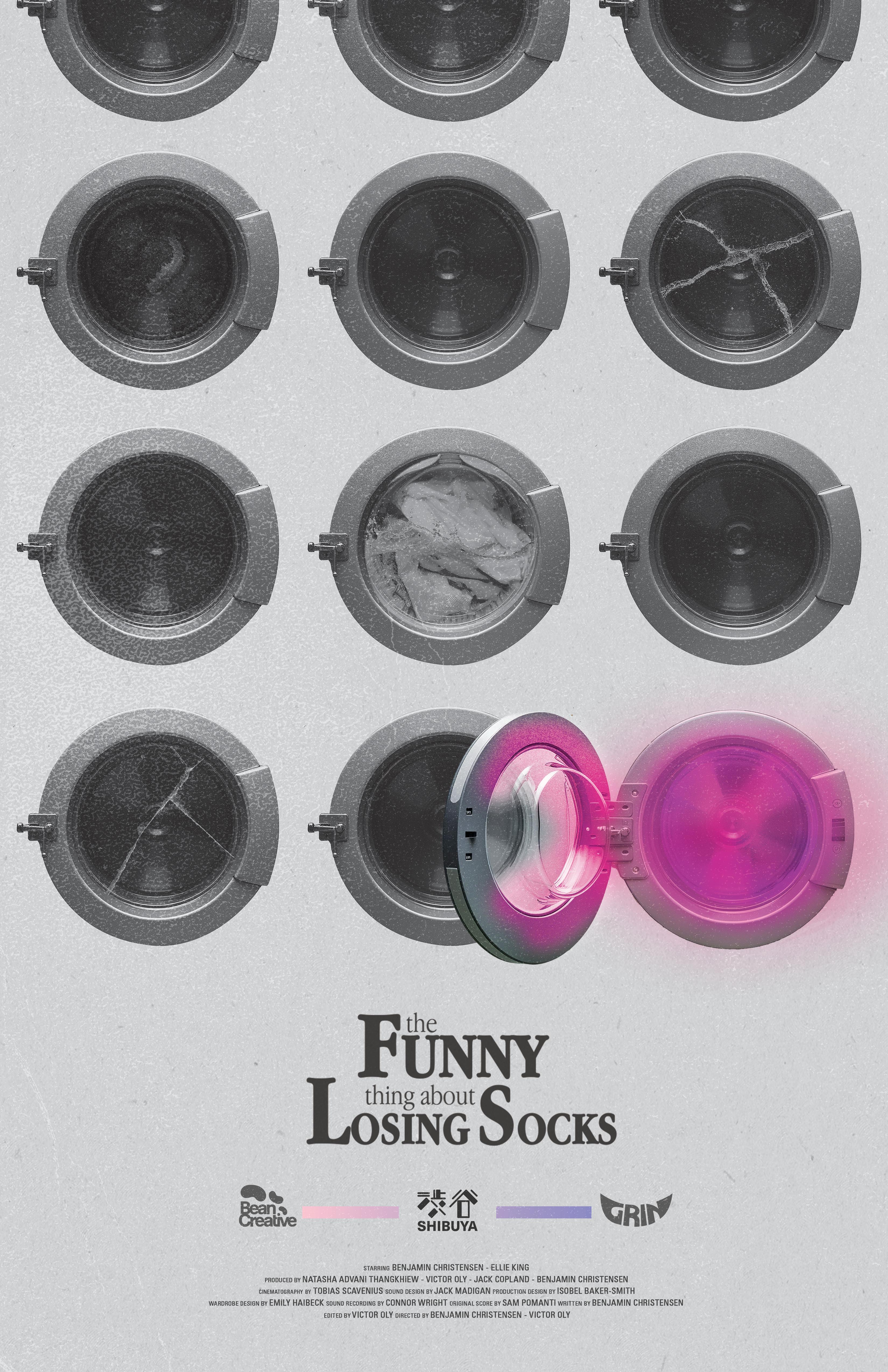 The Funny Thing About Losing Socks(2025)as Marv
 Conflict of Interest(2025)as Alan Alberts
 Untethered(2024)
 Family Law(2021)as Vince
 Lions in Waiting(2017)
 Wendy 1968(2013)


