Maolen Fadul was in her second year taking film at UP Diliman when her orgmate became a finalist at the 2nd Cinemalaya Film Festival. Excited to be involved in any capacity, she volunteered and became a production assistant under the art department of Ranchero, where she'd meet long-time collaborator and eventual mentor Digo Ricio. Her experience under Ricio's guidance solidified her love for production design, and she later worked as a set decorator on Independencia and Emir as she was in the process of defending her thesis.
Fadul worked for Ricio's art department for five years as a set dresser, set decorator, and art director before she gained the courage to become a production designer. Fadul's design framework is primarily based on the substance and style of the script. While her earlier work took inspiration from admired auteurs such as Wes Anderson and Wong Kar-wai, her recent work has been more influenced by reality and people-watching, exposing her roots in social realism and independent cinema. Fadul hopes that her creative contributions tap into the affective memory of people, places, and objects and considers it a failure when her work becomes a separate entity from the story.
Fadul is drawn to material rooted in real life - as seen in the isolating cityscape of Gusto Kita With All My Hypothalamus and Big Night! and the corrupt corners of the prison system in Blue Room. Beyond these artistic inclinations, she is passionate about legitimizing production design as a form of filmmaking, labor, and storytelling in the Philippines.
 Ngayon kaya(2022)as Organizer
 Mga mister ni Rosario(2018)as Sastre
 Sparks(2014)as Tomato Kick Crowd
 Islands(2013)
 Love You So Bad(2025)
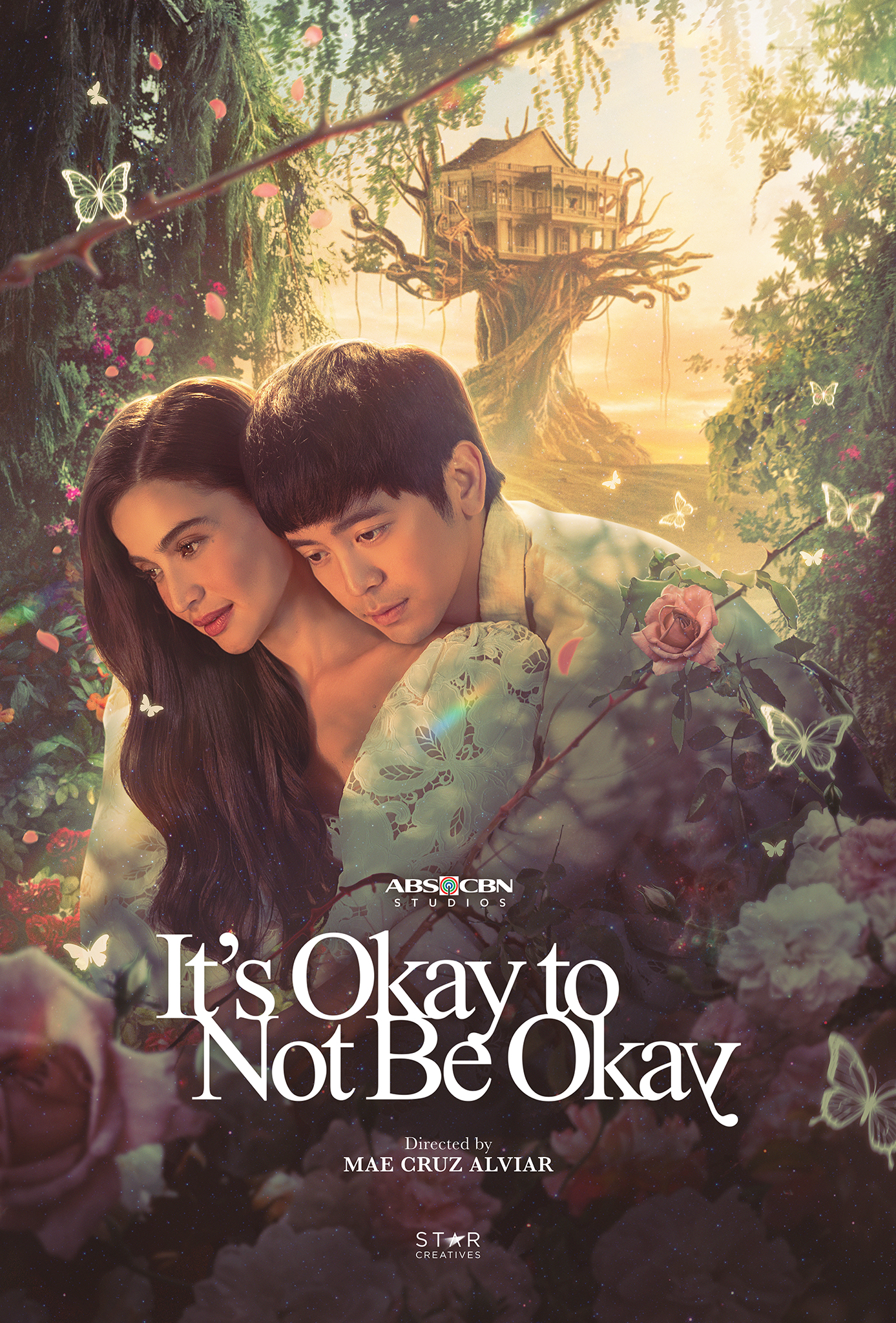 It's Okay to Not Be Okay(2025)
 Warla(2025)
 In Between(2025)
 The Garden of Earthly Delights(2025)
 #Y(2014)
 Kimmy Dora: Ang kiyemeng prequel(2013)
 Instant Mommy(2013)
 I Do Bidoo Bidoo: Heto nApo sila!(2012)
 Emir(2010)
 Isa Pa with Feelings(2019)
 The Healing(2012)
 Six Degrees of Separation from Lilia Cuntapay(2011)
 Sampaguita, National Flower(2010)
 Temptation Island(2011)
 Firefly(2023)
 Here and There(2021)
 Sila-sila(2019)
 John Denver Trending(2019)
 Us, at the End of the Year(2019)
 50th Metro Manila Film Festival: Gabi ng parangal(2024)as Self - Nominee